FIFA to pay Somali referee denied US entry as World Cup travel restrictions come under scrutiny
FIFA will pay Somali referee Omar Abdulkadir Artan his full World Cup fee despite his exclusion from the 2026 tournament, a decision that has drawn fresh attention to the growing clash between global sporting events and national immigration policies.
 Black News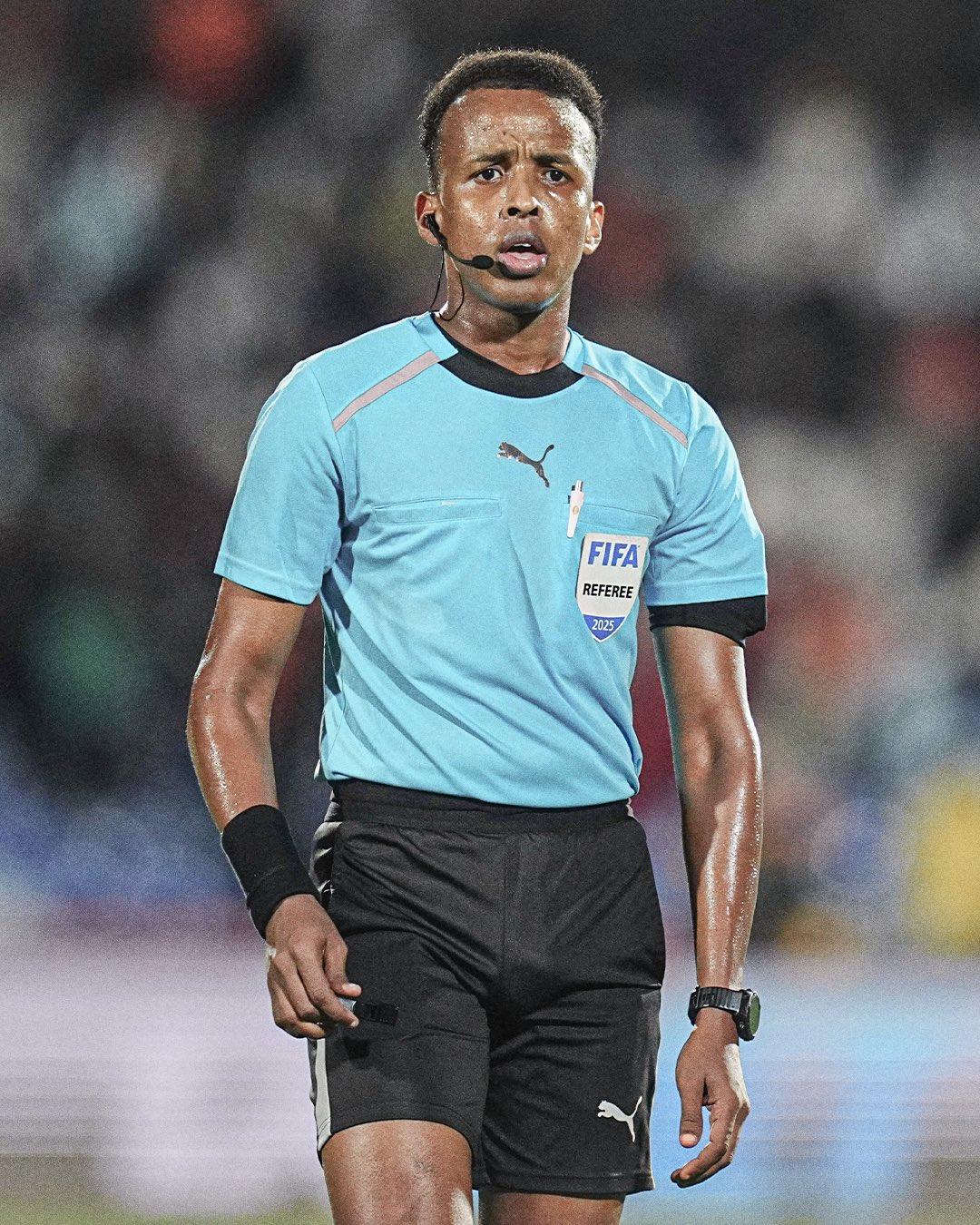

FIFA will pay Somali referee Omar Abdulkadir Artan his full World Cup fee despite his exclusion from the 2026 tournament, a decision that has drawn fresh attention to the growing clash between global sporting events and national immigration policies.
- FIFA will pay Somali referee Omar Artan his full World Cup fee despite his exclusion from the tournament.
- US authorities denied him entry over security concerns, preventing his historic World Cup debut.
- UEFA has since appointed him to officiate the UEFA Super Cup in August.
- The case has reignited debate over immigration barriers and access to major global sporting events.
Artan, who was set to become the first Somali referee to officiate at a FIFA World Cup, was denied entry into the United States earlier this month despite holding a valid visa and being officially selected by football’s governing body.
US authorities said the decision was based on security concerns and alleged associations with individuals suspected of links to terrorist organisations, allegations Artan has denied.
The incident immediately became one of the most controversial off-field stories of the tournament because it highlighted a difficult reality facing international sports competitions: while organisations such as FIFA choose referees, athletes and officials, final entry decisions remain in the hands of host governments.
A source familiar with the matter told Reuters that FIFA has decided Artan will receive his full tournament remuneration despite not officiating at any World Cup matches. The amount has not been disclosed.
The decision comes days after UEFA moved to show support for the 34-year-old by appointing him to officiate the UEFA Super Cup between Paris Saint-Germain and Aston Villa in Salzburg in August.
The Somali official was named Africa’s Referee of the Year in 2025 and had become a symbol of Somalia’s growing presence in international football after decades in which conflict and instability limited the country’s participation on the global sporting stage.
The controversy has also revived broader concerns about access to major sporting events. Over the years, athletes, coaches and officials from countries facing sanctions, diplomatic disputes or heightened security scrutiny have encountered visa obstacles that affected participation in international competitions.
While such incidents are relatively rare at the World Cup level, they raise difficult questions for governing bodies that seek to promote equal participation regardless of nationality.
For FIFA, the episode underlines the limits of its authority. The organisation has repeatedly stated that immigration decisions are the responsibility of host nations and fall outside its jurisdiction, even when they affect accredited tournament officials.
The issue may not end with the 2026 World Cup. The United States is preparing to host several major international sporting events in the coming years, and Artan’s exclusion is likely to intensify discussions about how future visa and entry disputes involving athletes and officials should be handled.
For many observers, the significance of the case extends beyond one referee. It has become a test of how international sport balances global participation with national security policies at a time when major tournaments increasingly depend on cooperation between sports governing bodies and host governments.