FULL LIST: African countries that signed Trump’s controversial health deals
A sweeping shift in the United States global health policy under former President Donald Trump has stirred debate across Africa, as Washington replaces large multilateral aid programmes with bilateral health agreements tied to stricter conditions.
 Black News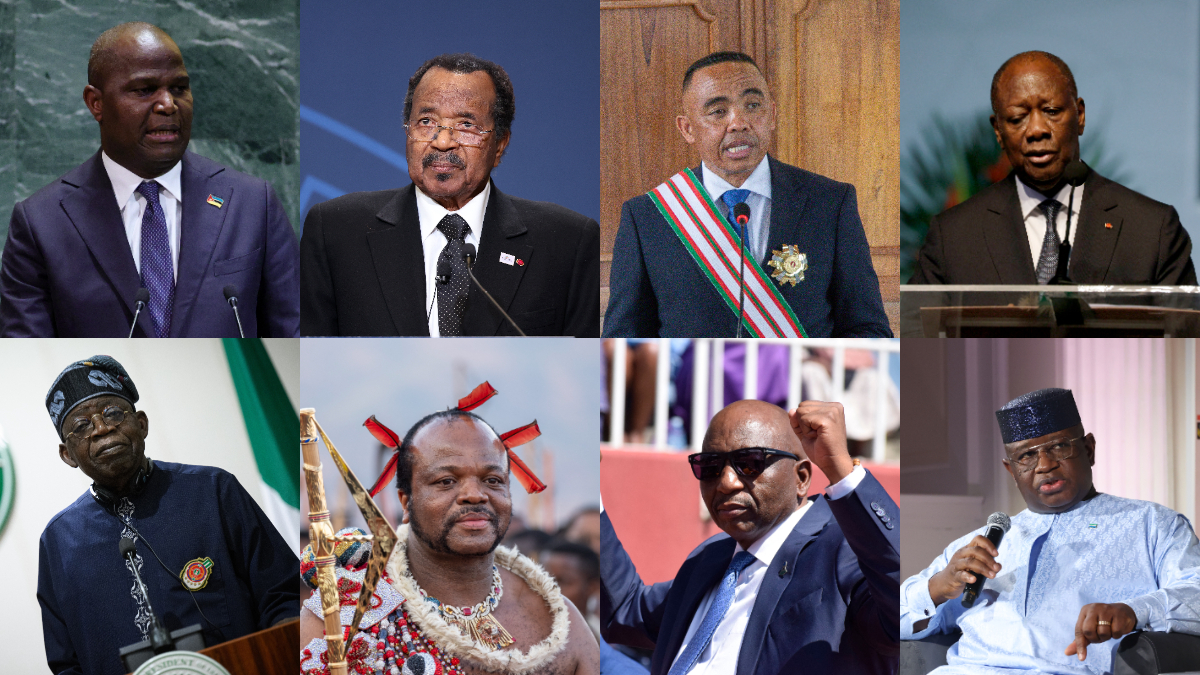
![African nations sign bilateral health agreements with the United States as Trump era global health strategy reshapes aid partnerships across the continent. [Getty Images]](https://ocdn.eu/pulscms/MDA_/8a508484d244d68324cb5e9fdfeed274.jpg)
A sweeping shift in the United States global health policy under former President Donald Trump has stirred debate across Africa, as Washington replaces large multilateral aid programmes with bilateral health agreements tied to stricter conditions.
- At least 14 African countries have signed controversial bilateral health agreements with the United States under Donald Trump’s new aid strategy.
- The deals promise billions in funding for HIV, malaria, and health system support but require increased domestic spending and data sharing.
- Some governments have welcomed the funding boost, while critics warn of risks to sovereignty and equity.
- Zimbabwe and Zambia’s hesitation highlights growing unease over the programme's long-term implications.
Supporters within the U.S. government say the new model promotes accountability and pushes partner countries toward self-reliance. Critics, however, warn that the agreements could reshape Africa’s public health landscape in ways that raise concerns about sovereignty, equity, and long-term sustainability.
Across the continent, governments are weighing the benefits of fresh funding against the obligations embedded in the deals. With at least 14 African countries now confirmed as signatories, the initiative has quickly become one of the most consequential shifts in US-Africa health cooperation in recent years.
What the new health deals are about
The agreements form part of the Trump administration’s “America First” approach to foreign assistance, which prioritises bilateral compacts over traditional multilateral channels such as USAID programmes and the World Health Organization.
According to reporting by Reuters and other outlets, the US argues that the model enables clearer performance tracking, better value for American taxpayers, and stronger national ownership of health programmes.
Under the framework, participating African governments receive multi-year U.S. funding to combat HIV, malaria, tuberculosis, maternal mortality, and other major health threats. In return, countries must increase domestic health spending, meet specific benchmarks, and, in some cases, agree to expanded data-sharing provisions.
While U.S. officials frame this as a partnership model designed to reduce long-term aid dependency, public health advocates say the structure shifts more financial risk onto already stretched African health systems.
1. Kenya
![L-R: Kenya's President William Ruto shakes hands with US President Donald Trump during a signing ceremony hosted by Trump for a peace deal between Rwanda and the Democratic Republic of the Congo at the United States Institute of Peace in Washington, DC, on December 4, 2025. [Photo by ANDREW CABALLERO-REYNOLDS / AFP via Getty Images]](https://ocdn.eu/pulscms/MDA_/e14c37abaa0247b88a9e3d7bcb0754ef.jpg)
Kenya became the first African country to sign in December 2025, securing a package reportedly worth more than $1.6 billion.
The agreement requires Nairobi to significantly boost its own health budget alongside U.S. support, marking a new co-financing model that Washington hopes to replicate elsewhere.
Officials in Kenya have described the deal as an opportunity to strengthen domestic health capacity and reduce reliance on unpredictable donor funding.
However, some civil society groups have urged greater transparency around the long-term obligations embedded in the memorandum.
2. Rwanda
![L-R: U.S. President Donald Trump shakes hands with Rwandan President Paul Kagame during a peace agreement signing ceremony between the Democratic Republic of Congo and Rwanda at the Donald J. Trump Institute of Peace on December 04, 2025, in Washington, DC. [Photo by Chip Somodevilla/Getty Images]](https://ocdn.eu/pulscms/MDA_/0eb0005dc55f23a58ecc6e4dbbb3e7c7.jpg)
Rwanda moved quickly to join the initiative, consistent with its longstanding reputation for close health cooperation with Western partners. The agreement focuses heavily on infectious disease control and health system strengthening.
Analysts say Kigali’s participation reflects its broader strategy of leveraging targeted partnerships to accelerate health outcomes. Still, regional observers note that the full financial and data-sharing implications of the deal will only become clear over time.
3. Liberia
![US President Donald Trump with President Joseph Nyuma Boakai of Liberia at the White House. [X, formerly Twitter/@WhiteHouse]](https://ocdn.eu/pulscms/MDA_/4d3178a77bc32c34ec78e983aa1d9414.jpg)
Liberia’s inclusion is seen as particularly significant given its post Ebola focus on epidemic preparedness.
The country has relied heavily on international health assistance, making the shift toward co-financing a notable policy adjustment.
Liberian officials have welcomed the potential funding boost, but health advocates say the country will need careful fiscal planning to meet the domestic spending commitments required under the agreement.
4. Uganda
![US President Donald Trump (C) greets Uganda's President Yoweri Museveni (R) before a luncheon with US and African leaders at the Palace Hotel during the 72nd United Nations General Assembly on September 20, 2017, in New York. [Photo by BRENDAN SMIALOWSKI/AFP via Getty Images]](https://ocdn.eu/pulscms/MDA_/d21f57da99457cec225b489dcbb0ff89.jpg)
Uganda’s pact could deliver up to $1.7 billion over five years, according to Reuters, making it one of the largest country packages under the programme.
In exchange, Kampala is expected to increase its own health spending by roughly $500 million.
Government officials say the funding will support HIV and malaria programmes, but budget analysts caution that the required domestic contributions could put pressure on Uganda’s already tight fiscal space.
5. Lesotho
![Lesotho Prime Minister Sam Ntsokoane Matekane raises his fists in celebrations as he arrives at his inauguration at Setsoto stadium in Maseru on October 28, 2022. [Photo by MOLISE MOLISE/AFP via Getty Images]](https://ocdn.eu/pulscms/MDA_/7f4960b2e740f9ef9da2d7e88ee02005.jpg)
Lesotho joined the initiative as part of Washington’s broader southern Africa engagement strategy. The small kingdom has long depended on donor support for HIV treatment programmes, making the bilateral model a major policy shift.
Health experts say the success of the deal will depend heavily on whether Lesotho can sustainably scale up domestic health financing without crowding out other critical public spending.
6. Eswatini
![Eswatini's King Mswati III (C) arrives for the 2024 Umhlanga Reed Dance ceremony, at the Ludzidzini Royal Residence on September 2, 2024. [Photo by EMMANUEL CROSET/AFP via Getty Images]](https://ocdn.eu/pulscms/MDA_/0516e6837036c7ee0af9faae14b5bb8b.jpg)
Eswatini, which has one of the world’s highest HIV prevalence rates, signed onto the framework in hopes of stabilising long-term treatment funding. U.S. support remains central to the country’s HIV response.
While officials welcomed the agreement, some regional analysts warn that the co-financing requirements could be challenging for a small economy with limited fiscal buffers.
7. Mozambique
![Mozambique's President Daniel Chapo speaks during the General Debate of the United Nations General Assembly at the UN headquarters in New York City on September 23, 2025. [Photo by LEONARDO MUNOZ/AFP via Getty Images]](https://ocdn.eu/pulscms/MDA_/a1fe2c3da130eaf6f922e8b62a7f50d0.jpg)
Mozambique’s participation reflects its continued reliance on external support to manage infectious diseases and strengthen its fragile health infrastructure. The bilateral deal is expected to focus heavily on malaria and HIV programmes.
However, policy watchers note that Mozambique’s exposure to debt pressures could complicate its ability to meet the domestic funding commitments embedded in the agreement.
8. Cameroon
![President of Cameroon Paul Biya delivers remarks during the Space Forum at the U.S. - Africa Leaders Summit on December 13, 2022 in Washington, DC. Leaders met to discuss the peaceful development of Space. [Photo by Kevin Dietsch/Getty Images]](https://ocdn.eu/pulscms/MDA_/8faf8205041d242d7045cce6ccd03397.jpg)
Cameroon signed onto the new compact as part of the programme’s expansion into Central Africa. The country faces persistent public health challenges, including malaria and maternal mortality.
Observers say the deal could provide useful financing stability, but questions remain about governance safeguards and how performance benchmarks will be enforced.
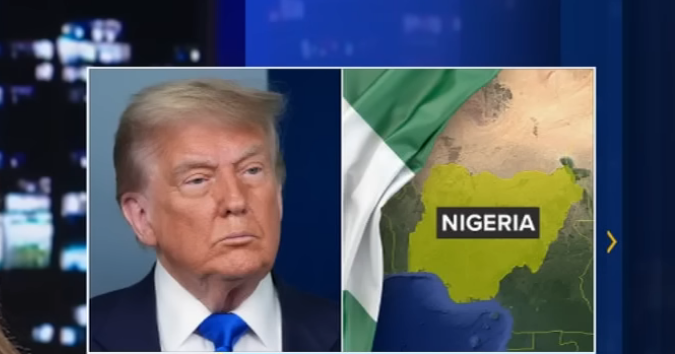
9. Nigeria
![L-R: President Bola Tinubu and US President Donald Trump - Nigeria risks joining Eritrea as the only African countries on the U.S. religious freedom blacklist. [Getty Images]](https://ocdn.eu/pulscms/MDA_/869301fc6d6beaa567b3a214976b2159.jpg)
Nigeria’s agreement drew particular attention after AP News reported that it places strong emphasis on faith-based health providers. Given Nigeria’s religious diversity, the provision sparked debate among civil society groups about inclusivity.
Federal officials have defended the partnership as a pragmatic step to strengthen healthcare delivery at scale. Still, analysts say implementation details will be closely watched given Nigeria’s complex federal health structure.
10. Madagascar
![Newly sworn in President of Madagascar Michael Randrianirina speaks during his swearing in ceremony in Antananarivo on October 17, 2025. [Photo by MAMYRAEL/AFP via Getty Images]](https://ocdn.eu/pulscms/MDA_/0ceff445613f15b850d46e1532c32e77.jpg)
Madagascar signed one of four memorandums announced by Washington in late 2025. The agreement targets infectious disease control and broader support for the health system.
For Antananarivo, the deal offers a chance to secure predictable external funding. Yet economists caution that sustained domestic co-financing will be key to maintaining programme stability.
11. Sierra Leone
![Julius Maada Bio, President of Sierra Leone, speaks onstage during Global Citizen NOW: Impact Sessions on September 24, 2025 in New York City. [Photo by Rob Kim/Getty Images for Global Citizen]](https://ocdn.eu/pulscms/MDA_/af3d41e37afaae39298dc83f0de439d5.jpg)
Sierra Leone joined the initiative as part of efforts to strengthen post Ebola health resilience. The country continues to prioritise epidemic preparedness and maternal health.
Health policy experts say the agreement could help stabilise funding flows, but emphasise the importance of transparency regarding data-sharing provisions.
12. Botswana
![US Secretary of State Marco Rubio meets with Botswana's President Duma Boko in the Treaty Room of the State Department in Washington, DC, on March 7, 2025. [Photo by ALEX WROBLEWSKI/AFP via Getty Images]](https://ocdn.eu/pulscms/MDA_/6a2d83a192df12323aa596d8b7cf5b3c.jpg)
Botswana’s participation reflects its ongoing transition from heavy donor dependence toward greater domestic ownership of health programmes. The country has historically maintained strong HIV treatment coverage.
Analysts say Botswana may be better positioned than many peers to meet the co-financing requirements, though long-term sustainability will still depend on economic performance.
13. Ethiopia
![Ethiopian Prime Minister Abiy Ahmed attend press conference following the one-on-one and delegation-level talks in Addis Ababa, Ethiopia on February 17, 2026. [Photo by Utku Ucrak/Anadolu via Getty Images]](https://ocdn.eu/pulscms/MDA_/84e2f015194189f5b559bc5ed6395cae.jpg)
Ethiopia was included in the four-country tranche announced by the U.S. State Department. The agreement comes as Addis Ababa seeks to rebuild and stabilise its health system following years of internal strain.
Observers note that Ethiopia’s large population means implementation will be closely scrutinised, particularly around funding flows and accountability benchmarks.
14. Côte d’Ivoire
![President of the Republic of Cote d'Ivoire Alassane Ouattara speaks on stage during the Economic Development Assembly: Advancing Africa's Future on October 10, 2024 in Abidjan, Ivory Coast. [Photo by Andrew Esiebo/Getty Images for Global Citizen]](https://ocdn.eu/pulscms/MDA_/28e384f88e1ad27da2cf91038b8a3e38.jpg)
Côte d’Ivoire secured roughly $480 million under its agreement with Washington, according to AP reporting. The funding is expected to support HIV, malaria, and maternal health programmes.
Ivorian officials have welcomed the partnership, but regional health advocates say careful monitoring will be needed to ensure equitable programme delivery.
Why the deals are controversial
One of the biggest flashpoints is the reported inclusion of extensive data and pathogen-sharing clauses.
Public health leaders, including Africa CDC officials, have warned that such provisions could expose sensitive biological information without sufficient safeguards or reciprocal benefits.
There is also concern about the broader shift away from traditional aid models. Critics argue that requiring significant domestic co-financing at a time of fiscal strain could force governments to reallocate funds from other essential services.
Washington maintains that the approach builds stronger, more self-sufficient health systems, but the debate is far from settled.
The bigger picture
The bilateral health agreements represent one of the most significant restructurings of US health engagement in Africa in decades.
By moving toward transactional partnerships with measurable benchmarks, Washington is attempting to reshape the aid relationship.
Whether the strategy ultimately strengthens health systems or deepens financial and political pressures on African governments will depend largely on implementation.
For now, with more countries potentially considering the framework, the controversy surrounding Trump’s health deals shows no sign of fading.