Glasgow’s Calabash is the restaurant the African diaspora call home
Home Cooking — Having been open in the heart of the city for 15 years, the Kenyan rooted eatery has become a community staple for migrants and Scottish-born locals alike.
 Black News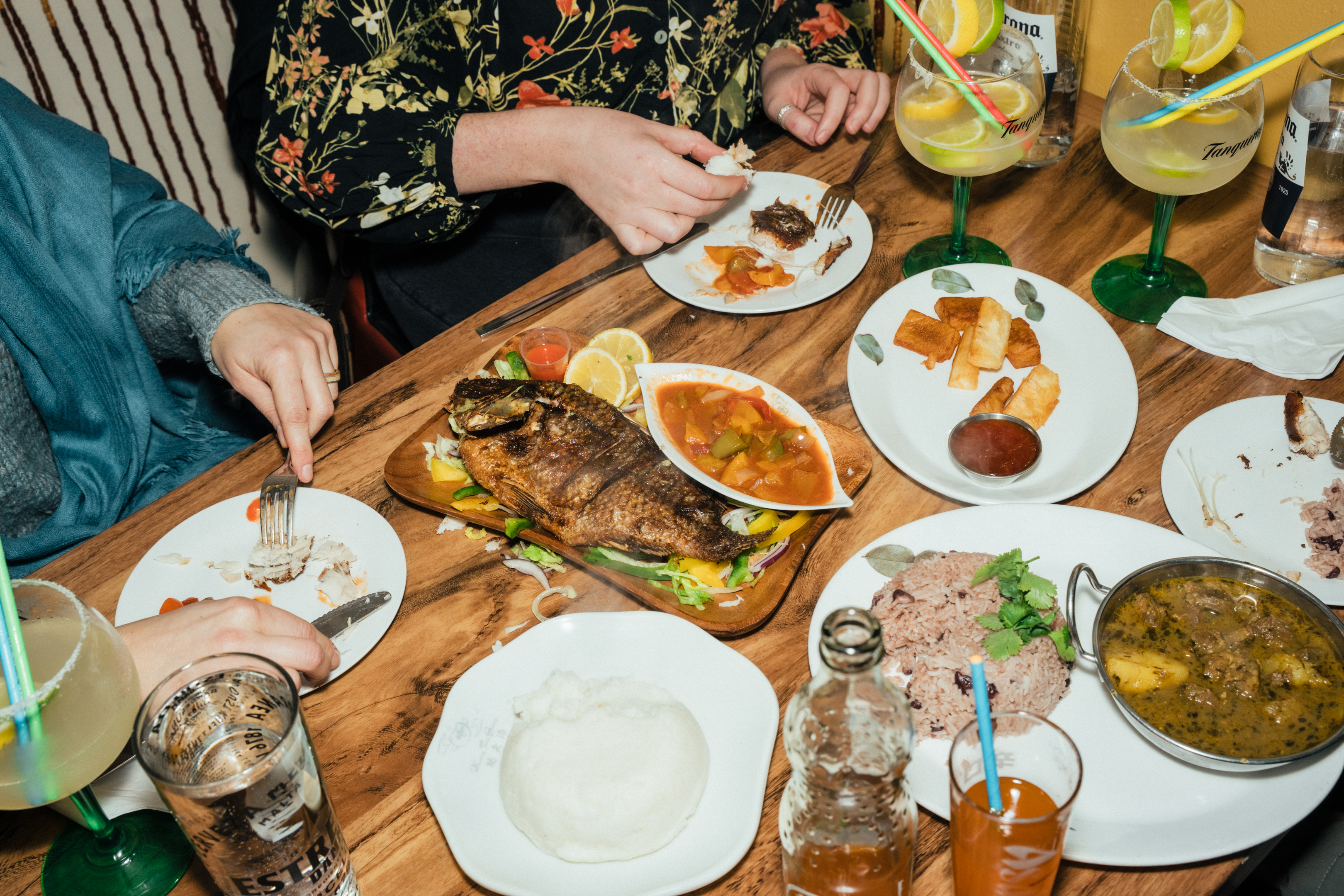
Home Cooking — Having been open in the heart of the city for 15 years, the Kenyan rooted eatery has become a community staple for migrants and Scottish-born locals alike.
It’s a Thursday evening in the busy heart of Glasgow. Soft African beats hum gently against the walls and the smell of frying samosas drifts through the entrance, welcoming customers as they walk in.
Inside Calabash African Bar and Restaurant, someone calls out “Mama Nyaks!” from across the room and Elizabeth Ndungu looks up instantly, smiling as she moves between tables. She rarely sits down. Even for a moment.
When she and her late husband, Matthew, opened the restaurant 15 years ago, they weren’t just serving Kenyan food. They were building a space they struggled to find when they first arrived in the city. They wanted a space where African culture could exist loudly, visibly, and without apology. One that would become a place for cultures to connect and accents overlap: Kenyan, Scottish, Nigerian, Indian, Ghanaian and more, all bonding over food and shared experiences.
“When we moved to Glasgow, we noticed a big gap for spaces where we could show our culture, diversity and identity, and so we decided to bring Africa to Glasgow,” she says. Before opening Calabash, the couple had travelled to Scotland from Kenya, bringing recipes, memories and a determination with them to recreate a sense of home.
In the early years, she says, this absence of African spaces in the city was felt. “You could go weeks without hearing your language or eating food that reminded you of home,” she says. “At the beginning, we were nervous. You wonder if people will accept it, if they will understand what you are trying to do. But we realised quickly that if we didn’t create this space ourselves, no one else would do it for us.”
Ndungu says that some landlords were hesitant about renting to a business serving African food and hosting late-night cultural events, as there were concerns about unfamiliarity. Some declined outright, while others offered deposit rates far above the average. “There were people who did not like the idea that in the city, in the heart of the city, there would be an African restaurant,” she says.
But as it grew, it became a place where people could mark birthdays, share news from home, or simply sit somewhere that felt familiar.
For a long time, simply existing in the city centre felt like an act of persistence. In one early incident, Ndungu recalls a large police presence arriving at the restaurant following reports of a disturbance nearby. “Over 40 police officers came down to Calabash, locked all the doors and began searching our customers without a warrant to do so.” No charges were brought, and the restaurant continued operating as normal. As the restaurant became a familiar presence in the area, relationships with the surrounding community and local authorities improved.
These experiences shaped how she approached the space: Regulars were greeted by name. Newcomers were welcomed without question. Looking back now, Ndungu says the early challenges taught her how fragile and powerful cultural spaces can be. “It showed me that creating something new always comes with resistance,” she says. “But it also showed me how many people wanted us here.”
“We take pride in creating a space where no one is judged and can meet and relate.”
I try the goat stew. Its rich spice and smoke from the grill help me understand why on weekends, tables are often booked out a week in advance. At one table, a group of students debate where to find the best jollof rice in Glasgow. At another, a couple visiting from London ask Ndungu for recommendations, scribbling down notes as she speaks.
The restaurant moves at its own rhythm. Orders are called across the room, someone’s playlist shifts from amapiano to afrobeat music, and the bar fills with the sound of glasses clinking.
Their early customers included homesick migrants and international students, but now, Scottish locals and tourists also form part of their guests. “We take pride in creating a space where no one is judged and can meet and relate”, Elizabeth says. Fiona Stewart, a regular from Glasgow’s Southside says, “Everyone is welcome here.”
Read next: What does food justice look like in 2025?
Ndungu has watched friendships form between people who might never otherwise have met. “You see someone come in alone, and after a few visits they have a little friend group,” she says. “That’s when you realise it’s more than just an eatery.”
For many regulars, Calabash isn’t just somewhere to eat. It’s somewhere to return to.
Like many other independent restaurants, Calabash has had to navigate rising costs and the long shadow of the pandemic. While many independent restaurants closed after Covid, Calabash adapted. “There is quite a big inflation, which is challenging for everyone. But fortunately, because of all the support, we are able to break even and keep the restaurant running,” she says. “People really come through us. Even when things are difficult, they come back. That’s what keeps us going.”
Some nights are slower than others. Ingredients are not always easy to source. But Ndungu says the community built around the restaurant has helped it endure.
I overhear a Scottish customer mispronouncing ugali, a popular side dish, making both him and Elizabeth giggle, even though she immediately knows exactly what he wants and writes it down. There’s a gentle rhythm to the place, shaped by small interactions that warm the room instantly.
“You see people growing, building lives, and this place is part of their journey.”
“This is where I bring my family every Sunday, so they can meet different people and learn about their culture,” says Joseph Mungai, a Kenyan regular, as his son spins a Fanta bottle on the table next to him.
He has been coming to Calabash for years, first as a student and now with his young son. “When I first arrived in Glasgow, I didn’t know many people,” he says. “This place helped me find my footing.”
On weekends, tables are often booked out by families sharing platters and stories. Some customers travel across the city. Others drop in alone after work, knowing they’ll find conversation waiting.
For Ndungu, seeing those connections grow has been one of the most meaningful parts of the journey. “You start to recognise faces, then you know their stories,” she says. “That’s when you realise you’re building something that matters.”
While other African restaurants compromise authenticity by changing their food into ‘fusion’ trends, Calabash stands out by staying true to its roots. Joseph says, “On so many occasions I have lost track of time while here. People come for the food, but stay for the vibes.”
The restaurant has also opened up work opportunities for migrants settling in a new city. “I was so grateful to Mama Nyaks for the work opportunity. It is amazing to work in a place where I feel like I belong,” says Sharon Jemtai, a Kenyan employee working at the bar.
15 years since opening its doors, Ndungu says running Calabash has reshaped how she understands home. It is no longer just a place she came from, but something built collectively with the people who pass through the doors each week. “I’ve learned that community doesn’t happen automatically,” she says. “You have to create it and protect it…You keep showing up for it.”
Ndungu measures success less in profit and more in presence. She has watched Africans arrive in Glasgow unsure of where they belong and later return with jobs, families and stories of their own. Some customers who first visited as young adults now bring their children.
“That’s when you realise how much time has passed,” she says. “You see people growing, building lives, and this place is part of their journey.”
The restaurant’s longevity is proof that spaces built from cultural memory and care can endure. Nothing about it was instant. It’s what made it last. She hopes that younger migrants arriving in Glasgow today will find the city more open than when she first arrived. If Calabash has played even a small part in that shift, then the long hours and early challenges were worth it.
As closing time approaches, the music softens and chairs scrape gently against the floor. Ndungu stands by the door, waving goodbye to a couple who promise to return next week.
Years ago, she wondered whether the restaurant would survive its first few seasons. Now it stands as a gathering place for a city that has grown around it. “I am so proud of what we have built,” she says.
In a city once uncertain about its presence, Calabash has become something steady. It serves as a reminder that home can be created, shared, and passed from one table to the next.
Lisa Maru is a freelance journalist. Follow her on Medium.
This story is originally published in Huck 83: Life Is a Journey – The 20th Anniversary Issue. Order your copy now.
Buy your copy of Huck 83 here.
Enjoyed this article? Follow Huck on Instagram for more from the cutting edge of sport, music and counterculture.
Support stories like this by becoming a member of Club Huck.