How Black Entertainers Embraced Pucci
Italian fashion designers are known to make lively clothes. One of them is Emilio Pucci, Marchese di Barsento, the Naples-born aristocrat whose psychedelic-patterned garments led him to become “The Prince […] The post How Black Entertainers Embraced Pucci appeared first on Essence.
 Black News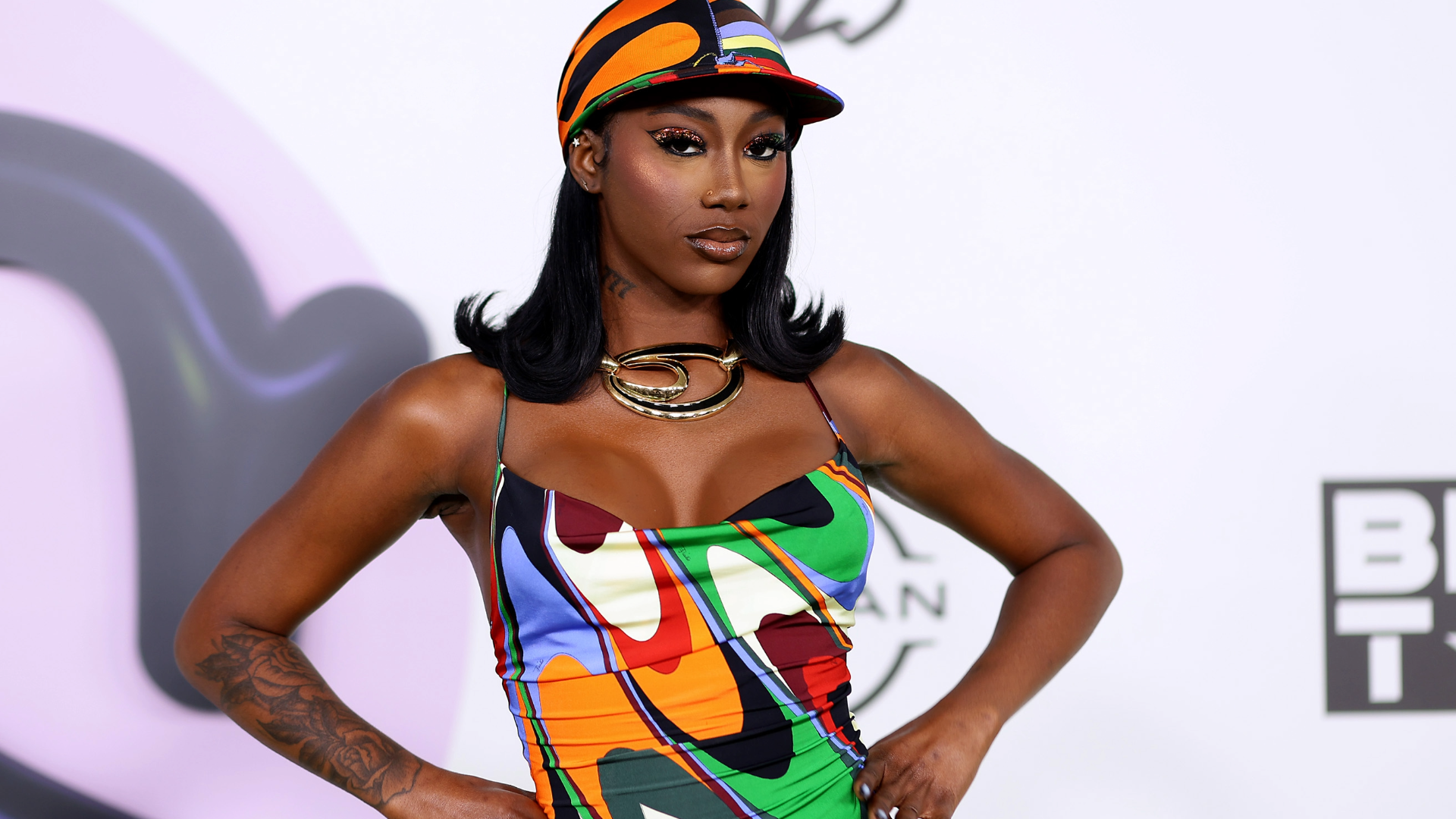
 Getty Images
  By Julian Randall ·Updated August 14, 2025 < /> Getting your Trinity Audio player ready…
 Italian fashion designers are known to make lively clothes. One of them is Emilio Pucci, Marchese di Barsento, the Naples-born aristocrat whose psychedelic-patterned garments led him to become “The Prince of Prints.” His daughter, Laudomia Pucci, who oversees Emilio Pucci Heritage, co-authored a book with the company’s archive manager, Dylan Colussi, to capture the brand’s story. Pucci: The Art of Fashion illustrates how the house became celebrated for its “swirling, geometric patterns, glamorous designs, and innovative creative collaborations,” according to the authors Pucci and Colussi.
Emilio Pucci was a well-educated designer. Dissatisfied with his classes at the University of Milan, Pucci went to study in the United States, first attending the University of Georgia, and then Reed College in Portland, Oregon, where he earned a master’s degree in social science in 1937. After that, he was awarded a doctorate in political science from the University of Florence. Having joined the Italian Air Force in 1938, while serving, Emilio began designing skiwear for his upper-class Italian contemporaries–by doing so, he garnered the attention of Harper’s Bazaar photographer Toni Frissell.
Next, Frissel’s images of Pucci’s skiwear were embraced by the titan and Harper’s Bazaar editor Diana Vreeland. With her stamp of approval, the magazine published images of Pucci’s work, and he entered the American fashion lexicon. In 1948, his first collection for the American market launched at Lord & Taylor, fully introducing his Florentinian design prowess: the collection featured skiwear and wool knits handwoven in Capri, reports the Metropolitan Museum of Art. A collaboration with silk industrialist Guido Ravasi followed.
At this time, Emilio also began working with research assistants to test out varying cotton and silk weaves in addition to blends for “luster, drape, and durability.” Emilioform was born out of these experiments: a synthetic jersey that would become a signature fabric in the Pucci collection as early as 1960, according to the Met. The aristocratic designer often drew upon his worldly childhood experiences–Pucci produced clothing, upholstery, living room accessories, purses, shoes, and clothing that reflected all this exposure, print-packed and vivacious.
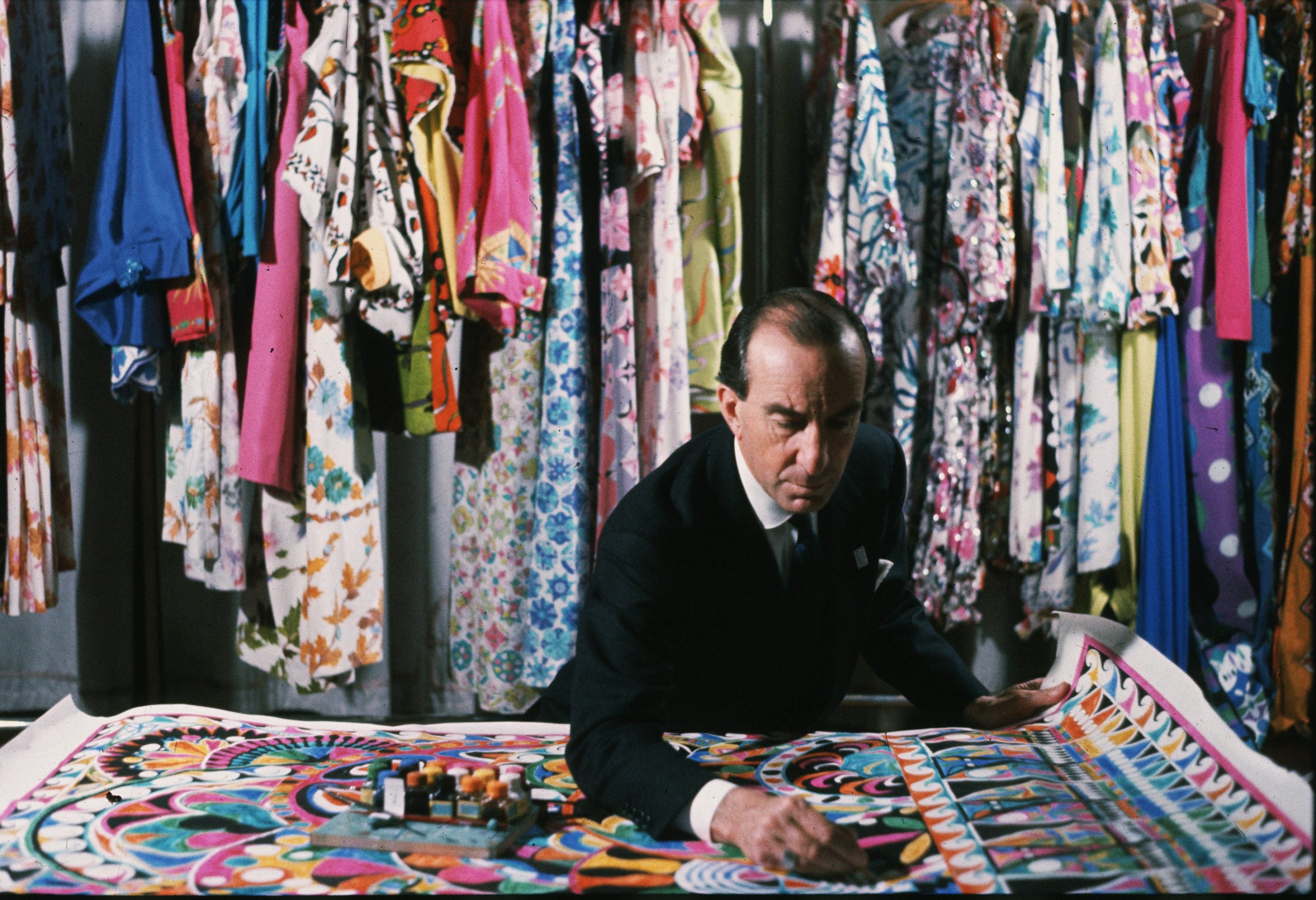 The Florentine fashion designer, Emilio Pucci with examples of his work, Florence, Italy, 1959. (Photo by David Lees/Corbis/VCG via Getty Images)
 Women in particular loved Pucci’s clothing. High-profile figures such as Marilyn Monroe, Madonna, Jacqueline Kennedy, and Sophia Lauren all became clients. Moreover, the designer earned the respect of the fashion establishment, with tastemakers such as Suzy Menkes and Mario Testino championing his work. The convivial spirit of Pucci’s clothes was part of their draw. But it was also the ease of drape, how well they accommodate women’s bodies. It seems that the clothes transported those women into a different social and emotional state of being, a freer one. Pucci: The Art of Fashion, which is slated to release on September 16, reflects these achievements well.
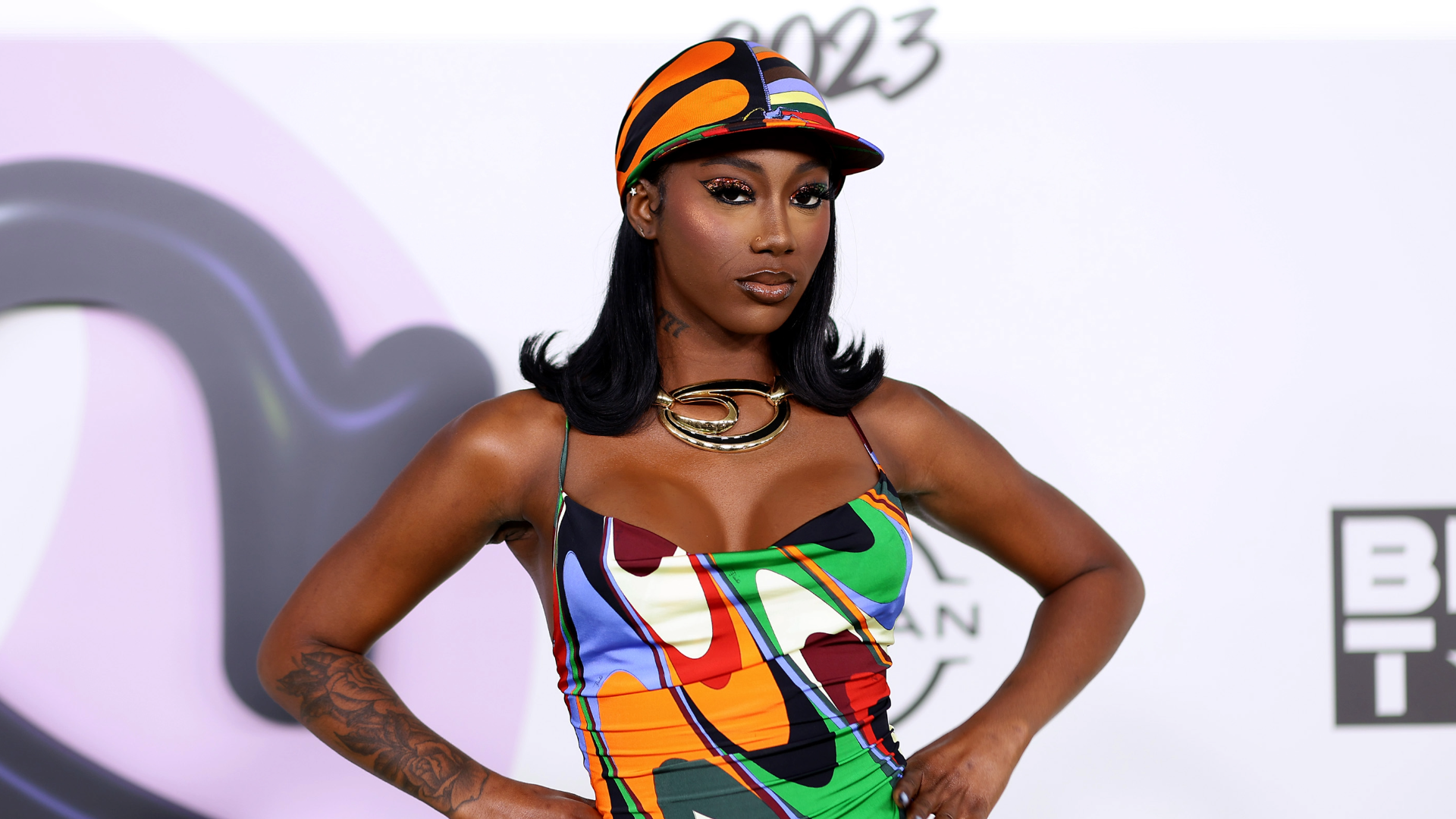
But the Pucci brand is also widely embraced by Black celebrities. Those loud, colorful prints align with hip-hop’s aversion to restraint, to sameness even. Perhaps it’s only natural since, according to Luxury Daily, Emilio Pucci’s “travels to Africa inspired a variety of designs and prints, as well as influenced his personal values.” In 2019, Laudomia Pucci told the outlet that one of the inspirations was the sarongs he saw in Mali, leading him to “design colorful, wide-legged palazzo pants.”
His history of dressing Black talent dates back to artists like Aretha Franklin, who wore one of his dresses on the December 1971 cover of Ebony, in addition to the model Charissa Craig, whose work is featured in the book. Styled in a long-sleeved multicolored dress and green headwrap, the cover shows how Franklin was the perfect person for Pucci’s wares. Her fiery personality, her pizazz amplified the boldness in his prints. She also showed that the Pucci woman could be any kind of woman, that she didn’t have to be white, thin, and aristocratic.
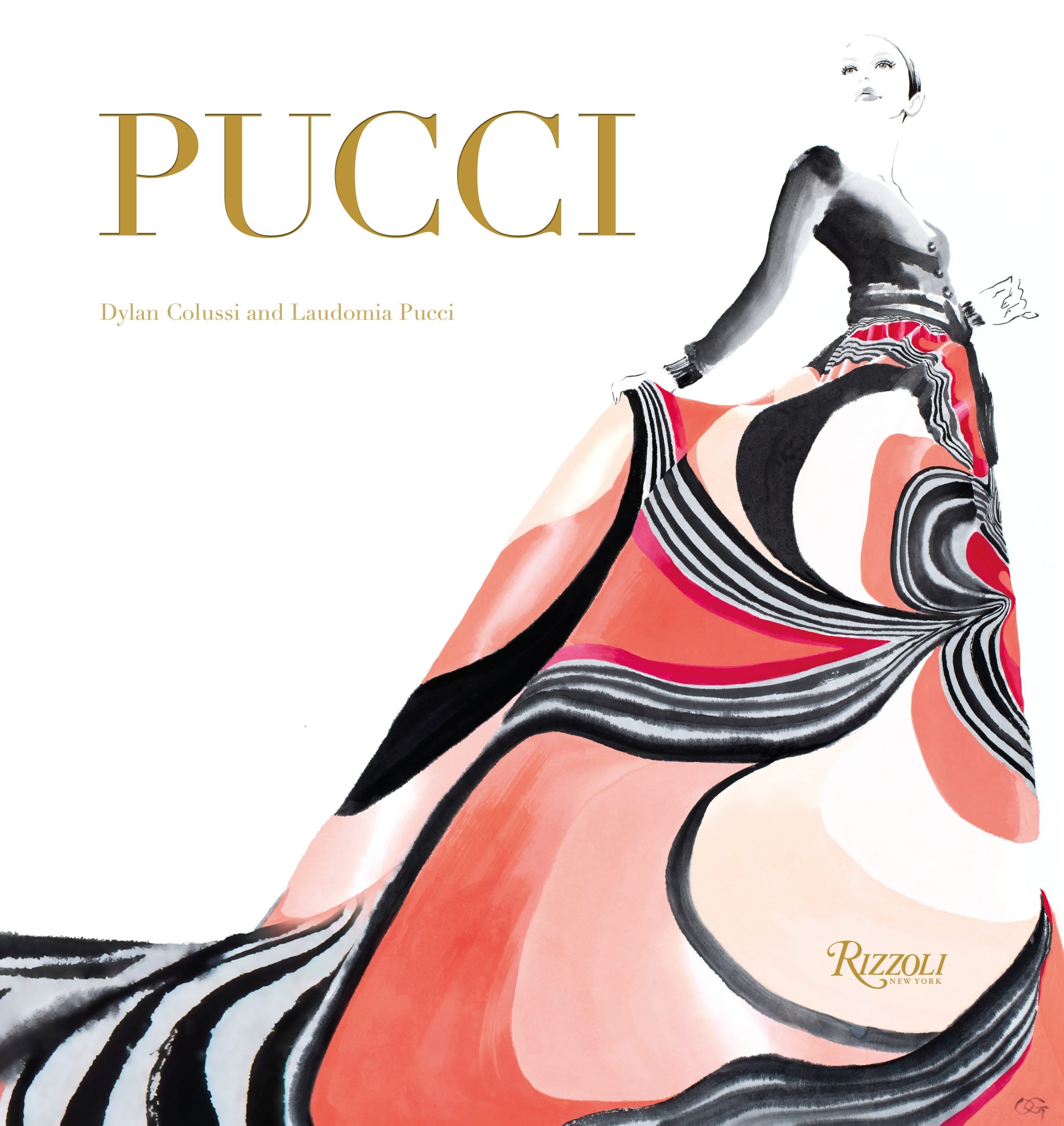 Rizzoli
 More recently, rappers have been seen wearing the brand. At a party last summer, Cardi B. hosted in celebration of her newly launched vodka brand, she wore a Pucci catsuit with oversized gold hoops and equally vibrant platform heels. The look embodied the freedom with which the artist expresses herself. She brings that lively energy and sense of humor to everything she wears. But it’s Pucci’s clothes that bring out those qualities the most. Laudomia describes the book as “an explosion of life that opens the windows wide onto a world where fashion and art embrace.” In that spirit, Cardi B. wears Pucci’s clothes “without restraint, without measure,” recalling how Emilio’s lines would capture, as Laudomia writes in Pucci, “the body’s natural rhythm.”
Gunna is another artist who wears the Milan-based label. On numerous occasions, he’s been spotted with the label’s artistic director, Camille Miceli. Of course, he’s also attended the shows. In 2022, he told
The post How Black Entertainers Embraced Pucci appeared first on Essence.