How Congo's illegal gold trade is fueling the spread of a deadly, vaccine-resistant Ebola strain
A dangerous new Ebola outbreak is intensifying in the northeastern region of the Democratic Republic of the Congo, fueled by the area's booming, unregulated gold mining industry.
 Black News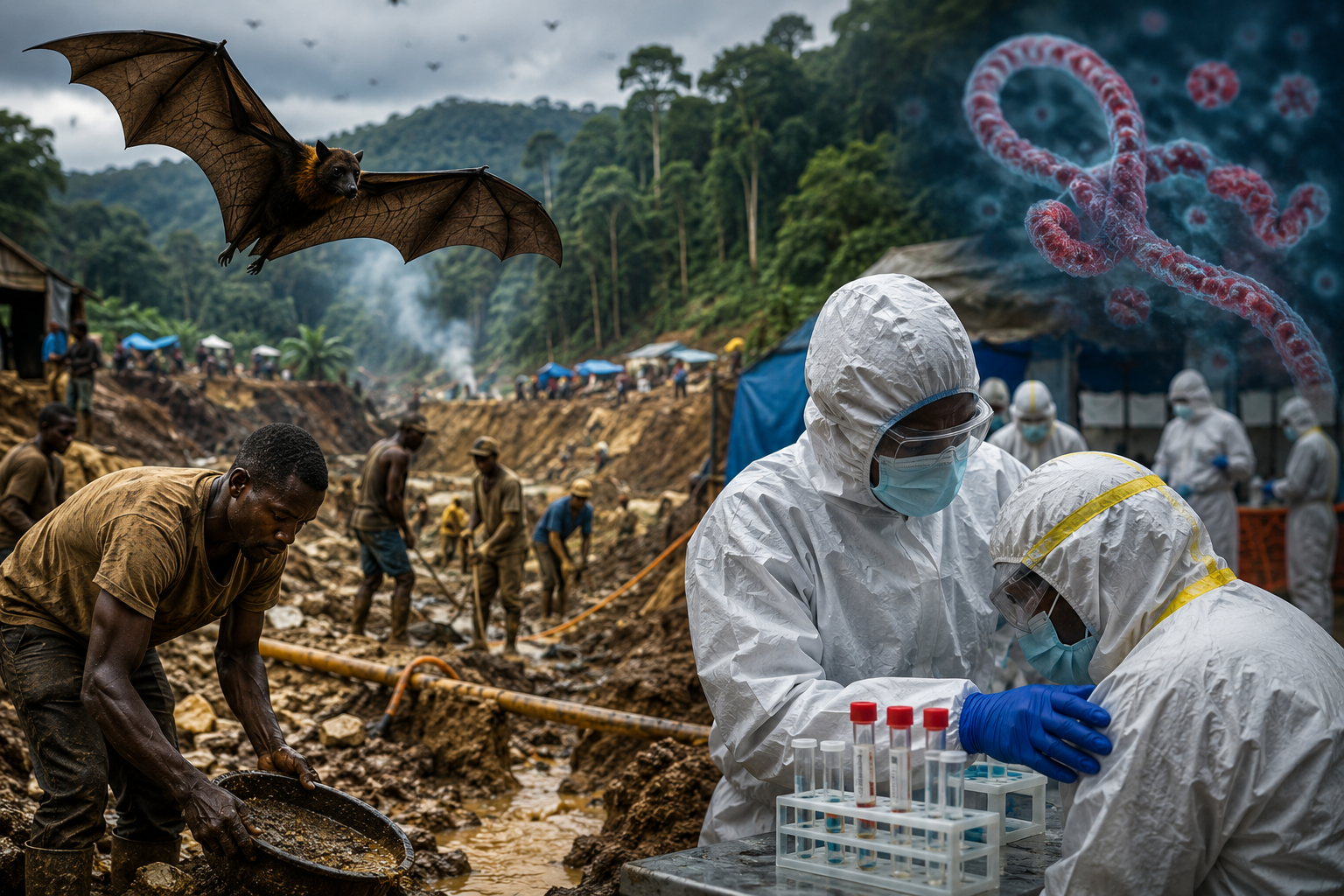

A dangerous new Ebola outbreak is intensifying in the northeastern region of the Democratic Republic of the Congo, fueled by the area's booming, unregulated gold mining industry.
- A severe Ebola outbreak in northeastern Democratic Republic of the Congo is driven by unregulated gold mining activities.
- The epidemic began in May 2026 and is caused by the rare Bundibugyo Ebola strain, for which there are no approved vaccines or treatments.
- Deforestation and increased human-wildlife contact, especially with fruit bats, are accelerating virus transmission among miners.
- Hundreds are infected, deaths are rising, and the WHO has declared it a Public Health Emergency of International Concern as cases spread to neighboring Uganda.
The Ebola outbreak, which health officials confirmed began in early May 2026, has quickly expanded into a major health crisis.
Unlike previous epidemics caused by the more common Zaire strain of the virus, this current wave is caused by the rare Bundibugyo strain. This has created panic among medical experts because there are currently no approved vaccines or specific treatments available for this particular type of Ebola.
The heart of the crisis lies in the mining zones of Ituri Province, particularly around towns like Mongbwalu. As global demand for gold and tech-industry minerals rises, thousands of workers have poured into remote forested regions.
This rapid expansion is forcing human populations deeper into the rainforest, cutting down trees and disrupting local ecosystems.
Scientists explain that this deforestation brings miners into direct contact with wildlife, specifically fruit bats, which naturally carry the Ebola virus without getting sick.
Casualties Climb as Regional Safety is Threatened
According to on-the-ground reporting by The New York Times, the devastating reality of this connection is highlighted by cases like that of a gold miner known locally as Mr. Saudi.
After working deep in the unregulated mines of Ituri Province, Mr. Saudi fell ill with a sudden high fever and severe hemorrhaging, tragically dying from the virus within days before contact tracers could fully isolate his immediate network - a stark example highlighted by the Times of how quickly the disease can spread unnoticed within crowded mining camps.
According to the World Health Organization (WHO), the virus has already infected hundreds of people and claimed numerous lives. Because many miners fear authorities or lack access to healthcare, officials warn that the true number of cases is likely much higher.
The virus has already crossed borders. Several cases have been reported in neighboring Uganda, including in its densely populated capital, Kampala.
The WHO has officially designated the crisis a Public Health Emergency of International Concern, triggering an emergency response from international medical teams.
Armed Conflict and Public Distrust Stalls Medical Aid
Stopping the virus is proving to be a logistical nightmare. Eastern Congo is plagued by active armed conflict, and several Ebola treatment centers have already come under attack by local militia groups.
Furthermore, health workers are fighting deep community mistrust. Because the local gold economy relies heavily on informal and secretive trading, many miners are hesitant to report symptoms or isolate themselves, causing the virus to slip through the fingers of contact tracers.
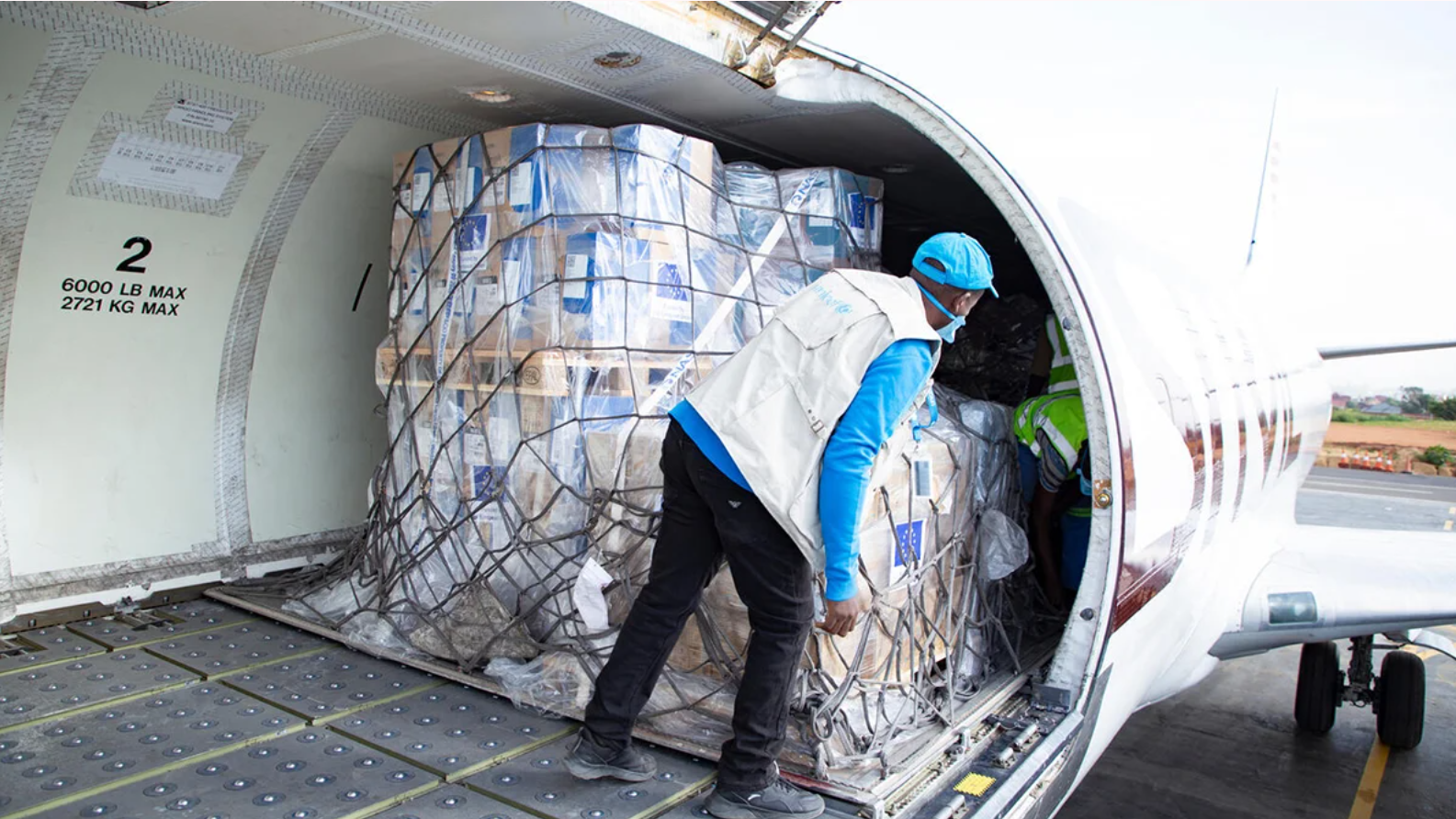
Medical teams are currently rushing to set up isolated treatment units and educate mining communities, warning that until the flow of people in and out of the gold fields can be safely monitored, containing the virus will be an uphill battle.