How fashion’s multi-hyphenate creatives get it all done
From magazine editor-painters to director-content creators, three multi-hyphenate creatives discuss navigating multiple careers, balancing creativity with practicality, and why Crocs has become a staple of their fast-moving creative routines. The post How fashion’s multi-hyphenate creatives get it all done appeared first on BRICKS Magazine.
 Black News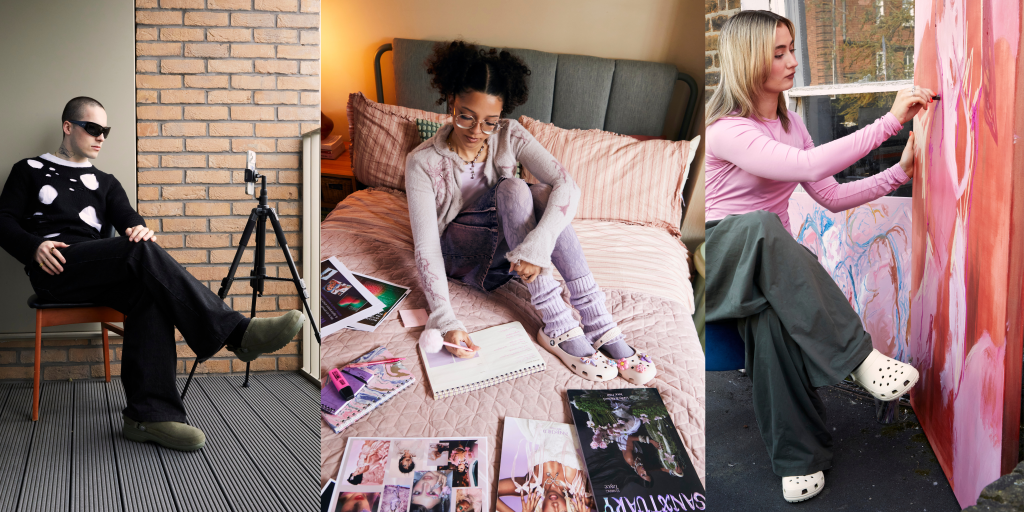
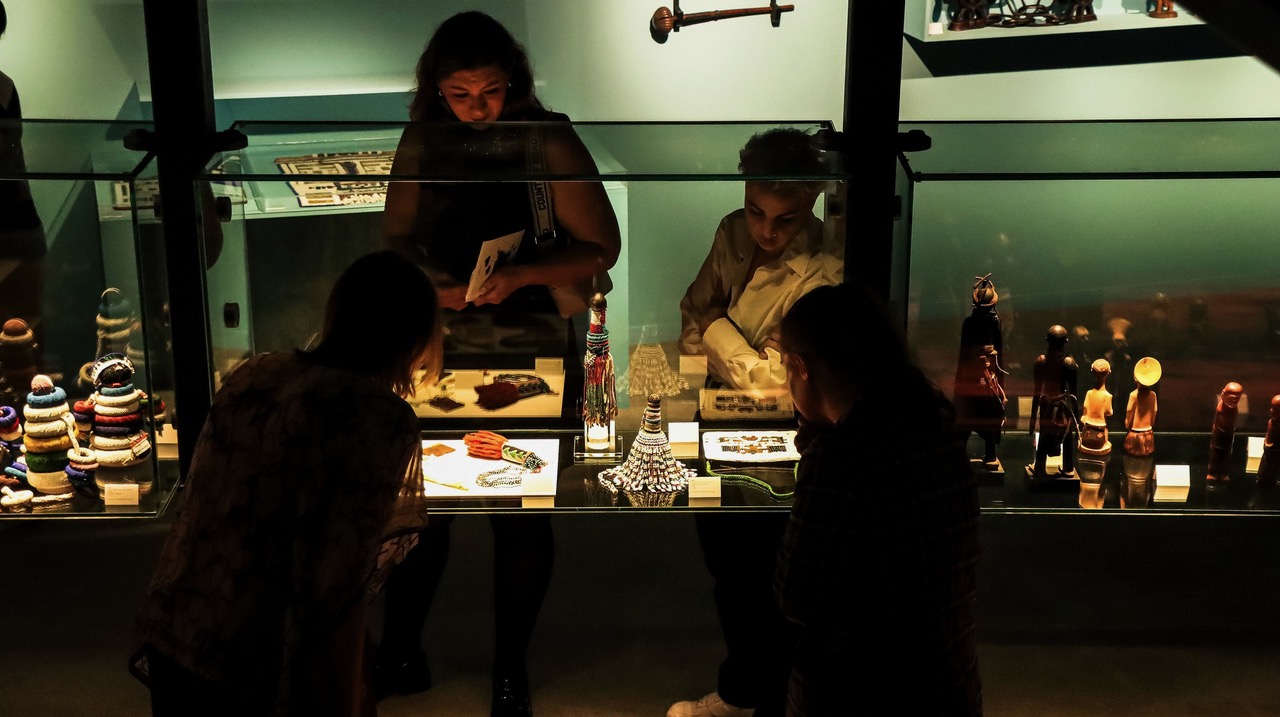
PHOTOGRAPHY Richie Barker
There was once a time when “What do you do?” used to just be harmless small talk. Now, for many creatives, the question produces either a long pause or an increasingly chaotic list of job titles. “It depends on who’s asking me,” says Natalie Vest-Jones, a make-up artist, creative director, producer, editor, and the founder of The Sanxtuary, a London-based, independent fashion and beauty magazine. These days, one job title simply doesn’t cover it. The boundaries between creative roles are blurred, with many workers expected to repeatedly flip between making, managing, marketing and monetising their work all at once. “I do quite different things in different contexts,” she adds. “Usually, I’ll say I’m a creative director, or I run a magazine, because that’s easier. Sometimes, I will specify that the magazine exclusively features BIPOC and queer creatives – it just depends on how much time I have to explain!”
In an economy shaped by freelance instability, rising living costs and shrinking creative opportunities, working across multiple disciplines has become essential. Over a third of Britain’s creative workforce now holds a secondary creative role, while more than three-quarters of British creative workers choose temporary or flexible contracts for reasons beyond financial necessity, suggesting that the multi-stranded career is now a defining condition of contemporary creative work.
“I hustle,” says Pavel Davison, an artist, content creator, model, and Brand & Collaborations Manager at Chilly’s. “My roles all merge into one, as each part of what I do intersects. It’s a long-winded way of saying I’m a ‘London-based creative’, but I think it’s important that everyone can determine what they consider their ‘work’.”
“I think if I had to explain the ins and outs of all the jobs I do, people will typically ask, ‘How do you do all those jobs at once?’,” agrees Baillie Jones, a painter, sustainable stylist, and the Fashion Editor at BRICKS. “Even at BRICKS, my work goes beyond styling – I help with The Learner Platform, our alternative education channel, and work on BRICKS Collective, the magazine’s talent agency. Plus, I freelance style and assist, too.”
While the idea of the multi-hyphenate creative is easily romanticised online, the reality is usually far less glamorous. Today’s creative industries reward fluidity; not just the ability to make work, but to constantly contextualise and promote it. Social media has only accelerated that expectation, collapsing multiple roles into one visible identity (and preferably, one that fits neatly in a 4:5 feed asset or 4-second video hook). Creatives are expected to act as their own producer, photographer, editor, publicist and strategist all at once, documenting both their artistic output and their lifestyle around it in real time.

It’s really important to teach young people that you’re not stuck in one identity or career forever.
Baillie Jones
Still, for many working across disciplines, the set-up is not just about survival, but about artistic freedom. The ability to move between mediums, industries and identities allows for a more expansive way of working, one less interested in staying in a single lane than following curiosity wherever it leads. The life of a polymath is not just about balancing responsibilities, but building careers that reflect the full scope of your varied interests, communities and creative practices.
“When we’re younger, especially at school, we’re taught that we should focus on one thing – one career path or one dream job – but I think that’s still such a young age to be deciding the ‘one thing’ you want to do for the rest of your life,” says Baillie. “It’s really important to teach young people that you’re not stuck in one identity or career forever. Even if you study something at university, there’s always room to grow and for interests to change. A lot of successful people didn’t study the exact subject they ended up pursuing later in life; a lot of fashion designers studied architecture or painting, for example. It’s important to know there aren’t any restraints, no matter what path you initially follow.”
That versatility also extends to the way creatives dress, too. A working day can move between castings, cafés, studios, shoots, meetings and events without pause, demanding outfits that can keep up with constant motion. Once considered purely practical, Crocs has become embedded within the wardrobes of fashion’s most in-demand creatives precisely because they suit the demands of contemporary creative work, balancing practicality, comfort and personal style for people whose lives rarely stay in one place for long.
Below, BRICKS meets three multi-hyphenate creatives to find out how they get it all done.


Natalie Vest Jones
Originally working as a make-up artist, Natalie founded The Sanxtuary in 2021 to elevate queer and BIPOC creators, building surreal, escapist visual worlds that push beyond the limitations often placed on marginalised creatives. Through the magazine’s annual print and digital platform, she has since collaborated with talents including Baby Tate, Nxdia and Tayce. She has since launched Sanxtuary Studio, an agency providing unapologetic, authentic representation across the creative industries.
How has the idea of being “multi-hyphenate” shaped the way you work, and why do you think so many creatives are working across multiple roles right now?
It’s given me a really full picture. It definitely helps me as a creative director, because it would be quite hard to direct someone else or delegate if I didn’t have at least some understanding of what their job actually involves. I’ve dipped my toe into a lot of different areas, so when I’m putting together the bigger picture, it helps me understand how all those parts fit together.
For example, I have training in studio photography, and that helps me direct photographers or clearly explain how I want lighting to be adjusted. The same goes for graphic design. I have a base understanding, and while I usually do all the magazine’s design work,, if I’m collaborating with someone who specialises in that area, I can communicate much more easily with them because I understand the programs they’re using.
In terms of why so many creatives are working across multiple roles right now, I think a lot of it comes from necessity and learning to be resourceful. When I was starting my magazine, I didn’t have the resources to work with a whole team of different people, so I taught myself the different skills needed to get it up and running. I also learned a lot of practical skills at university studying creative direction, like photography, styling, hair and makeup, graphic design, magazine layout and printing.
I was also probably a little delusional in the sense that I thought, “Okay, I technically know how to do all of this myself, and I don’t have the resources to outsource it, so I’m just going to make it happen.” I think a lot of creatives probably have similar experiences, especially if you don’t yet have access to a full team or resources – you figure it out yourself and work across multiple roles in order to bring the project to life.
At the same time, I do strongly believe in networking and collaborating with people who are the best at what they do, because that will always make the work better than trying to do absolutely everything yourself.
When I was starting my magazine, I didn’t have the resources to work with a whole team of different people, so I taught myself the different skills needed to get it up and running.

What does a typical working day look like for you when you’re balancing so many different projects and responsibilities?
I really live by my calendar. I wake up in the morning and look over everything I have scheduled for that day – meetings, admin, shoots, pre-production planning – it really depends on what’s going on at that point in the year for the magazine. I plan my life very far ahead, because usually there are big projects happening throughout the year, and I break those down into smaller tasks, then break those tasks down again into even smaller tasks, and put all of that into my calendar. So a typical working day starts with checking what tasks I’ve assigned myself for that day. Usually, through doing tasks, you find more things that need doing, so I’ll then add those new tasks into the calendar too.
A big part of my role is also managing The Sanxtuary team, assigning tasks, and making sure we’re getting things done within deadlines, whether that’s articles going up, social posts being scheduled, shoots being completed in time for print, or print deadlines being met. But honestly, every day looks really different depending on what projects are due at the time. Some days are full admin where I’m at my computer all day in meetings, dealing with the more boring business side of things like Companies House or taxes. Other days are more fun and collaborative, like team meetings and planning content, and then there are the more hands-on days where I’m directing shoots and being on set.
What do you need from a shoe when your day can move between so many different environments?
I need a shoe that’s easy to just put on and go. A lot of the time on set, you have to take your shoes off so you don’t mess up the photoshoot backdrop, so I find Crocs really helpful because I can just slip them on and off easily. They’re actually some of my favourite on-set shoes to wear because, sometimes, you don’t want to mess up the colourama backdrop, so being able to quickly slide them off is ideal.
I like that you can accessorise Crocs, because depending on what you’re doing that day, you can customise them to fit the vibe or work with a different outfit or environment you’re going into. But yeah, for me it’s always about something comfortable but cute. It always has to be cute. Comfort is definitely a bonus, because then I can just focus on getting my work done while still looking good doing it.


Pavel Davison
Working across fashion and lifestyle as Brand Collaborations Manager at Chilly’s, Pavel works at the heart of the cultural zeitgeist, and has partnered with London’s most in-demand designers like Chopova Lowena and Charlie Constantinou. As well as an artist and a content creator, he’s also a model, and shares his multi-hypenate day-to-day on TikTok through vlogs, styling videos and OOTDs with his wife.
How has the idea of being “multi-hyphenate” shaped the way you work, and why do you think so many creatives are working across multiple roles right now?
Having different creative outputs that all link together has really strengthened each arm of my work and kept me motivated. It’s also kept me agile, always taking on new opportunities and finding new ways to channel my creative thoughts.
On the other hand, I think there are a few parts to this – some may be privileged to have the option to tackle new creative outputs, and I definitely recognise that as where I’m at, as the roles I’m taking on are by choice. However, I understand many people are likely forced to take on roles outside their preferred creative practice due to limited resources in creative teams. But from a personal standpoint, I want to challenge myself and keep trying new ways to express my creativity.

Having different creative outputs that all link together has really strengthened each arm of my work and kept me motivated. It’s also kept me agile, always taking on new opportunities and finding new ways to channel my creative thoughts.
What does a typical working day look like for you when you’re balancing so many different projects and responsibilities?
On the corporate side, every 9:30am til 6pm, I’m balancing project management, meeting new partners, brand strategy, PR, comms, new opportunities, and everything in between. I’ll slot in some personal content edits over lunch – if not, it’s in the evening when I’m home after around 7pm. That’s also my time slot for working on my art. One of my pieces last year took a year to complete simply because I could only work on it for a few hours in the evenings, amongst a busy social life and brand events during the week.
What do you need from a shoe when your day can move between so many different environments?
Versatility. It needs to be stylish but also comfortable, as I do a lot of walking to and from the office! I’m also very picky about my shoes, so they’ve got to look good too… Enter Crocs: a no-fail good time and always comfy, no matter the setting. I’m going to take a guess and say that every artist has owned a pair at some point in their life, and if not… get to know!


Baillie Jones
A lover of luxury fashion, charity shopping and DIY styling hacks, Baillie has developed her visual aesthetic to spotlight independent labels and emerging designers, giving many their first printed styling credits and first chance to work with world-renowned talent, including Leigh-Anne Pinnock, Jordan Stephens and Zack Polanski for the latest covers of BRICKS. Having initially studied Fine Art at university, she now uses painting as a therapeutic creative endeavour away from busy shoot days and freelance gigs.
How has the idea of being “multi-hyphenate” shaped the way you work, and why do you think so many creatives are working across multiple roles right now?
I think a lot of creatives are multi-hyphenate because career trajectories aren’t really the same anymore as they used to be. There are a lot more freelancers now, and people don’t have stable jobs in the same way, so I actually think it’s become really important to be able to do multiple things and work across different practices. It gives you more flexibility and allows you to move between different kinds of projects and opportunities.
I also think companies really value that now. If someone can jump across different projects and work in multiple areas, that’s obviously appealing to employers because they don’t have to hire a separate person for every single role. Whereas if someone can only do one thing, that’s a lot less adaptable in the way creative industries work today. That’s just kind of the reality of it now.
What does a typical working day look like for you when you’re balancing so many different projects and responsibilities?
When you’re freelance, there are definitely times when you’re super busy and working on multiple projects at once because you don’t want to turn something down, even when you’re already juggling other work. It can be really stressful and overwhelming, and I think it’s important not to put too much on your plate. That’s also when it becomes really valuable to have friends, collaborators or assistants who can jump in and help make things feel a bit more streamlined and manageable.
At the same time, I do actually really enjoy being busy, but I also appreciate the quieter periods too. It always seems like everything happens at once, and then suddenly there’s a calmer moment where you can finally breathe a little.
There are a lot more freelancers now, and people don’t have stable jobs in the same way, so I actually think it’s become really important to be able to do multiple things and work across different practices. It gives you more flexibility and allows you to move between different kinds of projects and opportunities.

What do you need from a shoe when your day can move between so many different environments?
From a shoe, and honestly clothes in general, I need to be comfortable when I’m working, especially when I’m on set, because you can’t be thinking about your feet hurting or your outfit feeling too tight or uncomfortable. That’s why Crocs are such a great shoe for me. Firstly, you can just slip them on and not have to think about it, they go with pretty much any outfit, and they’re also genuinely cool and comfortable. They’re really multipurpose too – I wear them when I go swimming, which is something I love to do outside of work, but they’re especially perfect for being on set.
I also love how you can customise them and make them your own. You can add ribbon through the holes, add Jibbitz, and personalise them depending on the day or the outfit you’re wearing, which is really fun.
Enjoyed this story? Help keep independent queer-led publishing alive and unlock the BRICKS Learner Platform, full of resources for emerging and aspiring creatives sent to you every week via newsletter. Start your 30-day free trial now.
The post How fashion’s multi-hyphenate creatives get it all done appeared first on BRICKS Magazine.