How Japan revolutionised art & photography in the ’60s and ’70s
From Angura to Provoke — A new photobook chronicles the radical avant-garde scene of the postwar period, whose subversion of the medium of image making remains shocking and groundbreaking to this day.
 Black News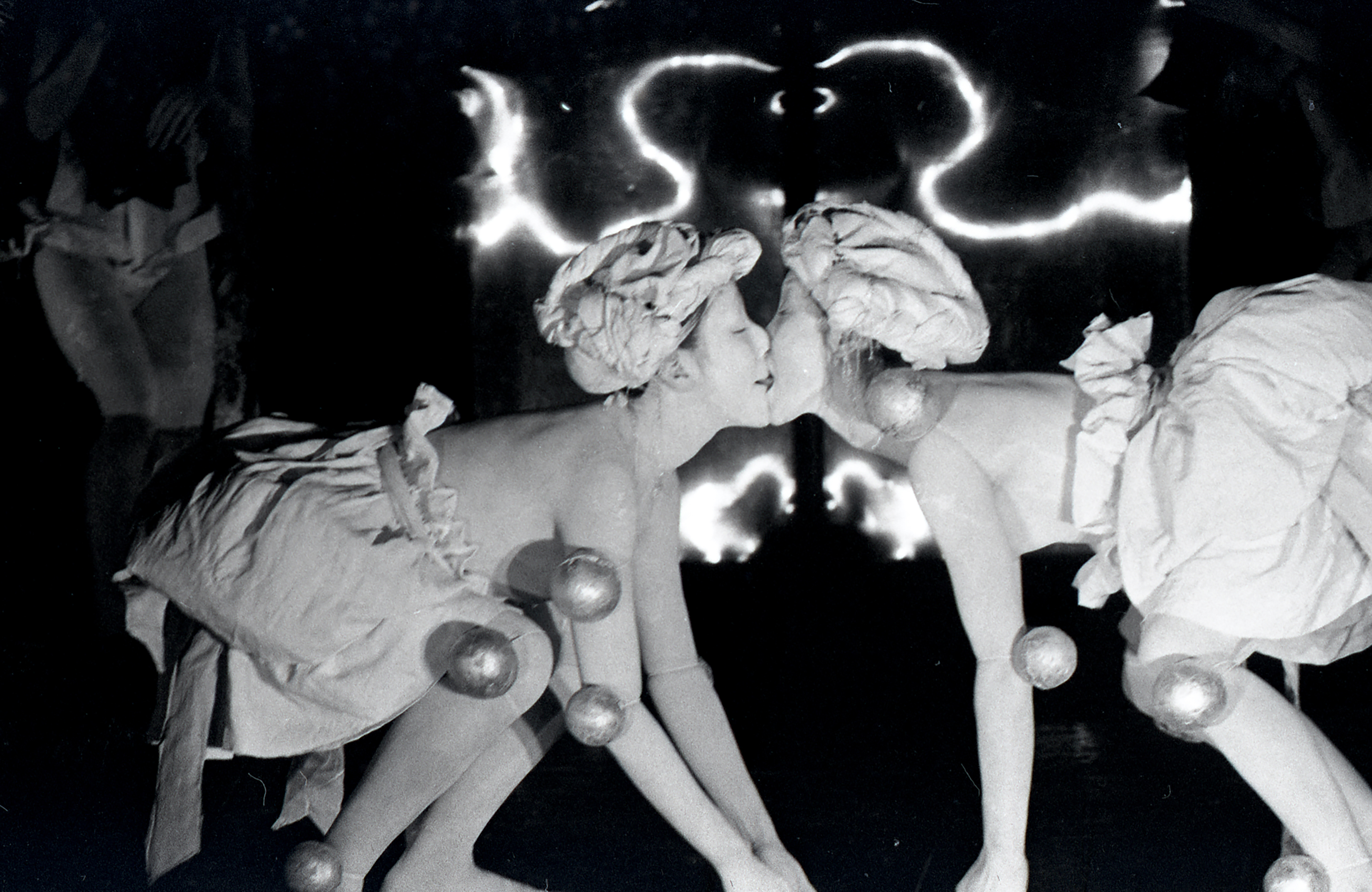
From Angura to Provoke — A new photobook chronicles the radical avant-garde scene of the postwar period, whose subversion of the medium of image making remains shocking and groundbreaking to this day.
Like in many other nations, Japan’s elites placed a strong focus on cultivating the arts throughout its long history. It acted as a way of upholding and enforce a collective nationalist identity that served the ruling class, but artists always found a way to subvert the norms. “Japan has always been a deeply hierarchical, conformist, classist society, but there were always undercurrents pushing against that,” says Parisian film director and producer Amélie Ravalec, whose documentary feature film Japanese Avant-Garde Pioneers premiered in New York in 2025.
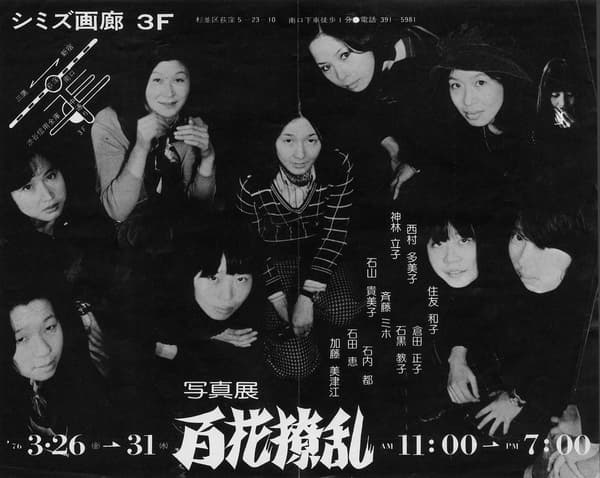
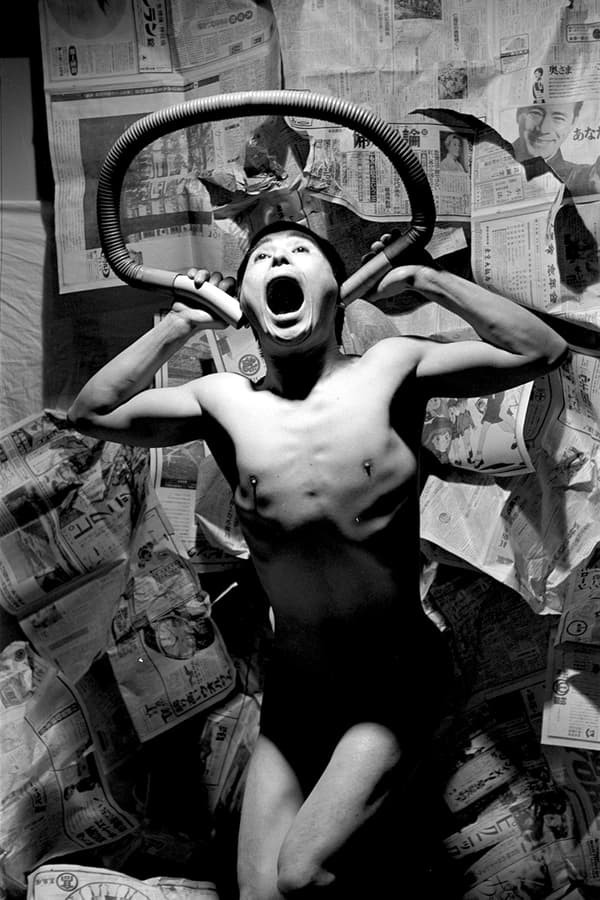
Now Ravalec returns with Japan Art Revolution: The Japanese Avant-Garde, from Angura to Provoke (Thames & Hudson), the first comprehensive English language book to trace the post-war explosion of the avant-garde across photography, illustration, graphic design, film, theatre, dance, and street performance. Organised chronologically, Japan Art Revolution showcases visionaries including Daido Moriyama, Provoke, Eikō Hosoe, Noboyushi Araki, Mikayo Ishiuchi, Neo-Dada Organizers and Hi-Red Center into a chronicle of radical counterculture that revolutionised the arts worldwide.
Although the Japanese avant-garde rose to prominence in the wake of World War II, Ravalec notes that it first took root in the ’20s and ’30s with a movement known as Shinkō Shashin (“New Photography”), which embraced experimental techniques like photomontage, long exposure, and extreme contrast. At the same time, a cultural wave known as ero guro nansensu (‘erotic, grotesque, nonsense’) emerged, fixating on the extremes of sensation, body distortion, perversion, horror and pleasure as a direct challenge to the respectability politics promulgated by empire.
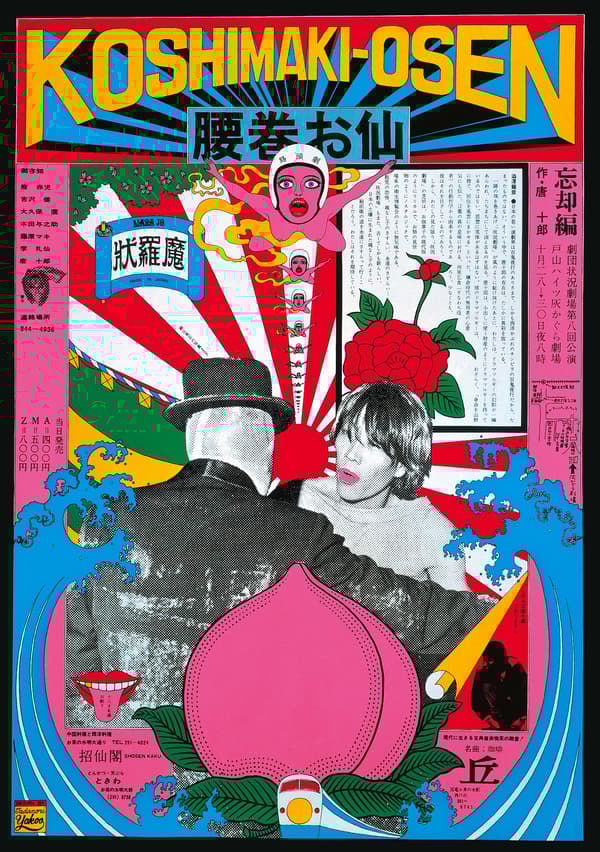
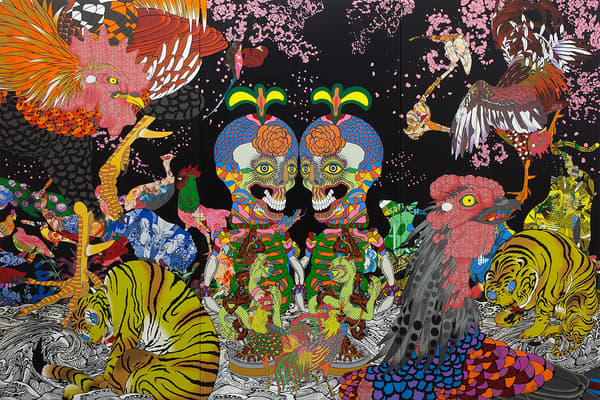
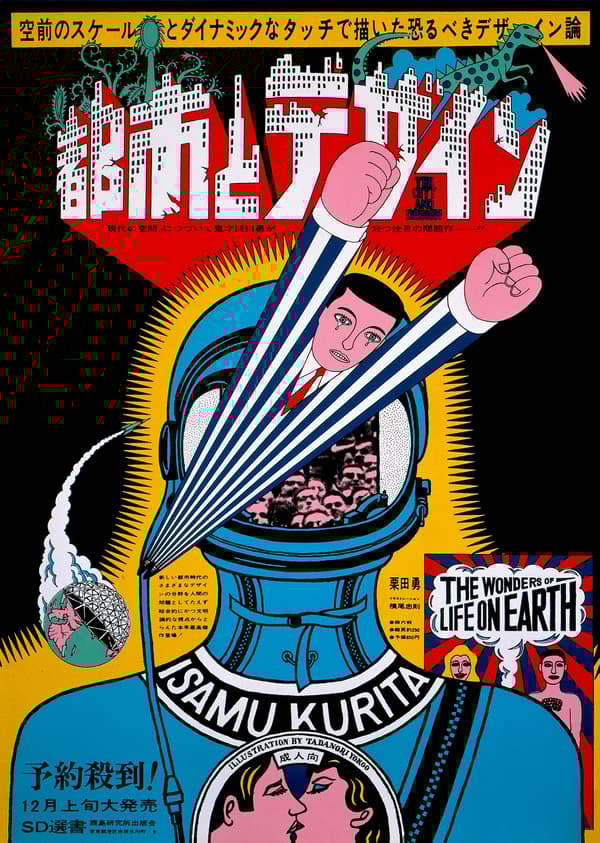
“The avant-garde as it was understood in Japan, zen’ei bijutsu, translated during the Taishō period as ‘art that is advanced, art that comes before’ – it carried with it a militant aspect: the idea of eradicating what came before in order to create a new world,” Ravalec explains. Trauma, in many ways, formed the heart and soul of the Japanese avant-garde, the push and pull of opposites simultaneously coming together and tearing apart, demanding artists inhabit both rather than be further fractured by the undercurrent of destruction and death.
Following the collapse of empire and the horrors of Hiroshima and Nagasaki, a new generation of artists stepped into the void, deftly navigating the tensions between Japanese cultural nationalism and American cultural hegemony that fuelled both left and right wing sensibilities. “What makes it so complex is that these tensions didn't resolve into simple opposition – they coexisted, often within the same artist, within the same work,” Ravalec says. “Japan had been devastated by the war, physically and psychologically. With the old systems gone of hierarchy, obedience and inherited values, there was a strange kind of freedom in that total collapse, a space to imagine new ways of living.”
But the American occupation delivered a second blow, colonising minds with its blend of pop culture, music, fashion, and film infiltrating the very experience of everyday life. In response, the left took to the streets, with hundreds of thousands gathering in 1960 for the Anpo protests to reject American militarism and political influence. On the right, writer Yukio Mishima led the charge. “His nationalism was fuelled by a profound sense of cultural loss,” Ravalec says. “He saw the Americanisation of Japan as a kind of spiritual defilement. He ultimately led a failed coup at the Self Defense Force’s Tokyo headquarters and committed ritual suicide by seppuku in 1970 as the ultimate sacrifice to his nationalist ideals.”
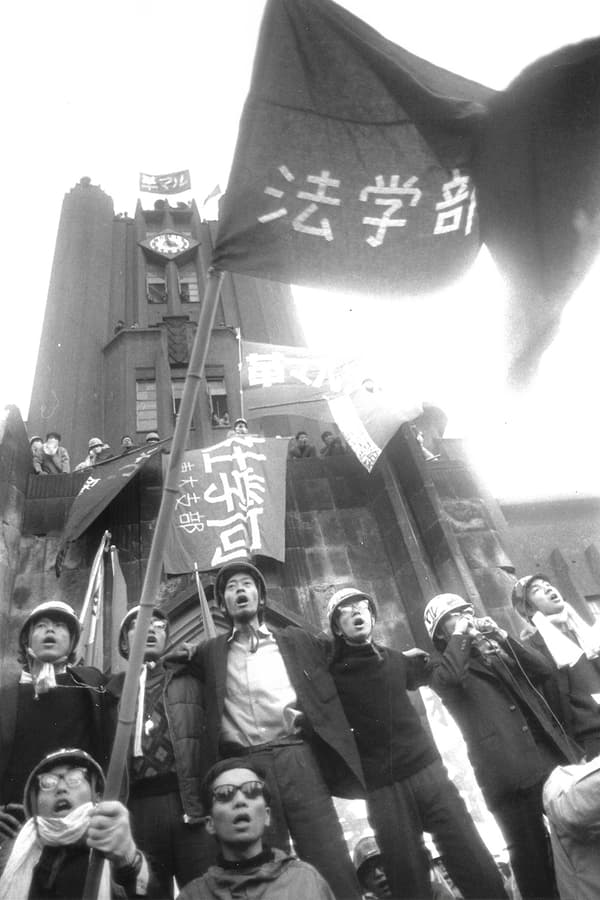
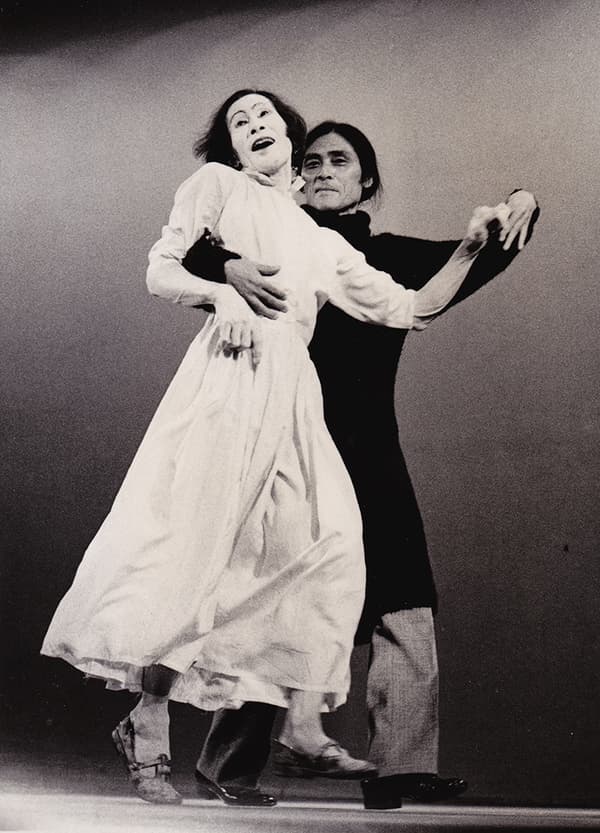
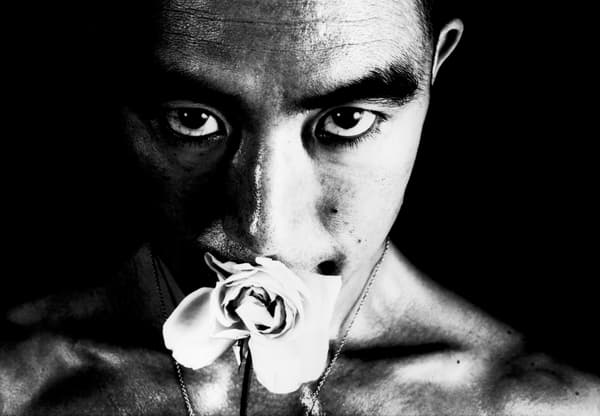
But Mishima’s collaborations with Eikō Hosoe and Tadanori Yokoo on Barakei lived on as a requiem. “Eroticised male bodies, images of martyrdom, the aesthetics of sacrifice and noble death – you find these across the entire political spectrum,” Ravalec says. “The same intensity, the same obsession with the body pushed to its limits, could serve completely opposing ideologies. It wasn’t a unified movement with a single political direction. It was a cauldron of contradictions, and the art drew its power precisely from that tension.”
Drawing upon uniquely Japanese aesthetics, artists embraced the grotesque – not as something other, aberrant, transgressive, or shocking – but as a place of deep honour in the cultural imagination. It was celebrated not just in what but in how one looks, in rejecting the formal languages of art and creating them anew. With Provoke, Kōji Taki, Takuma Nakahira, Takahiko Okada, Yutaka Takanashi, and Moriyama came together in 1968 and 1969 to create just three issues of one of the most influential magazines in photography history.
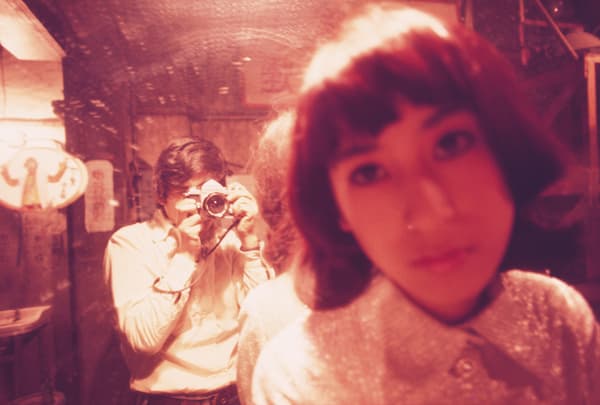
“Born from a time of radical political unrest, Provoke rejected the idea that photography should simply reflect reality. Instead, it aimed to fracture it,” Ravalec says, “Their aesthetic – are, bure, boke: ‘grainy, blurred, out of focus’ – reversed from its roots the very notion that photography must always reflect something. It demolished the hierarchy between high and low art, between the worthy subject and the unworthy one. They took the tools of representation – the camera, the photo book, the poster, the body on stage – and turned them into instruments of resistance and reinvention. As Nobuyoshi Araki said, ‘Provoke wasn’t a protest against art, it was a protest against life as it was being lived.’”
Japan Art Revolution: The Japanese Avant-Garde, from Angura to Provoke, edited by Amélie Ravalec, is published by Thames & Hudson.
Miss Rosen is a freelance arts and photography writer, follow her on X.
Buy your copy of Huck 82 here.
Enjoyed this article? Follow Huck on Instagram for more from the cutting edge of sport, music and counterculture.
Support stories like this by becoming a member of Club Huck.