Introducing the Cripping Culture Steering Group
Following on from our last blog on the Cripping Culture steering group, we wanted to give our fantastic members the opportunity to introduce themselves. In the first meeting everyone was asked to speak about a standout event, exhibition, happening or protest in disability arts that they had been involved in. We will publish extracts of ... Introducing the Cripping Culture Steering Group
 Black News


Following on from our last blog on the Cripping Culture steering group, we wanted to give our fantastic members the opportunity to introduce themselves. In the first meeting everyone was asked to speak about a standout event, exhibition, happening or protest in disability arts that they had been involved in. We will publish extracts of their contributions in the next blog to be published in a few weeks time.
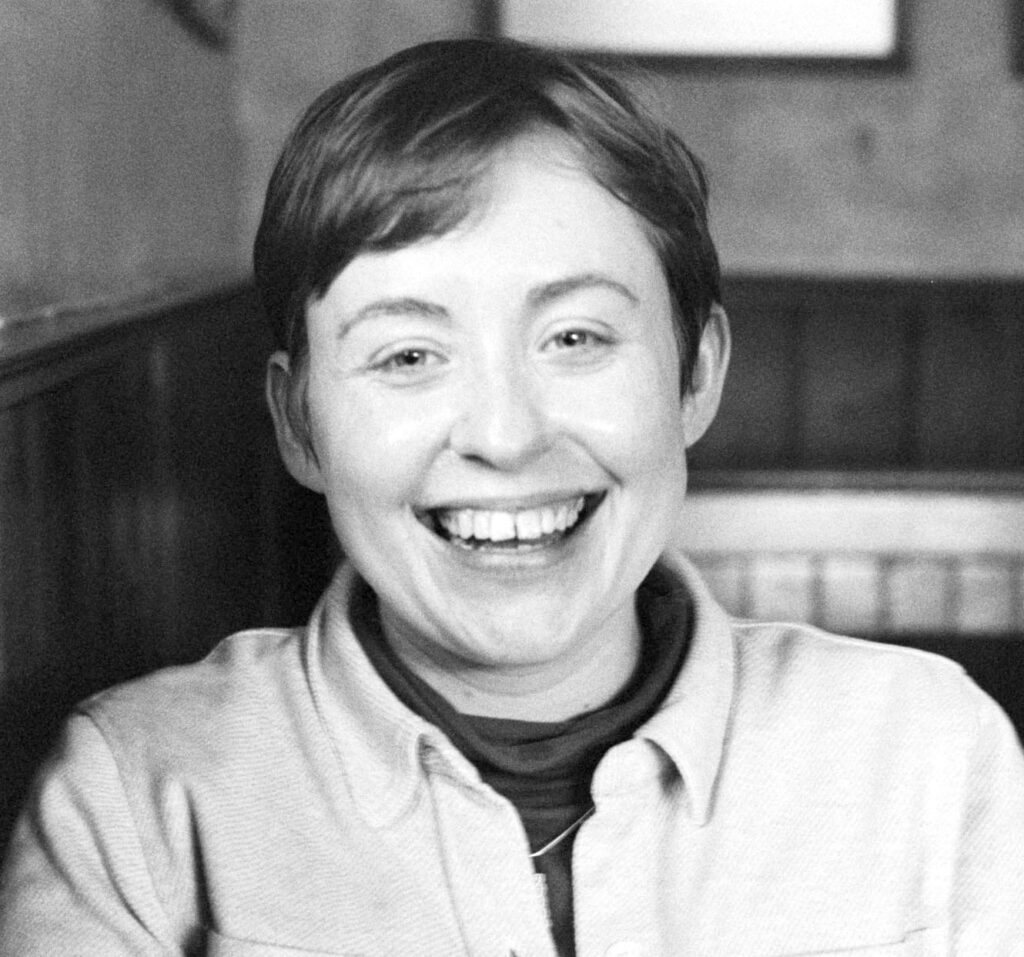
Rachel Boyd (she/her)
Rachel’s research explores how artistic labour can be articulated within archival contexts, with a particular focus on how supported practice is represented in the disability arts movement. She is currently undertaking an AHRC-funded PhD at Northumbria University centring on the practice of disabled artist and curator Nerys Johnson (1942–2001).
Alex Cowan (he/him)
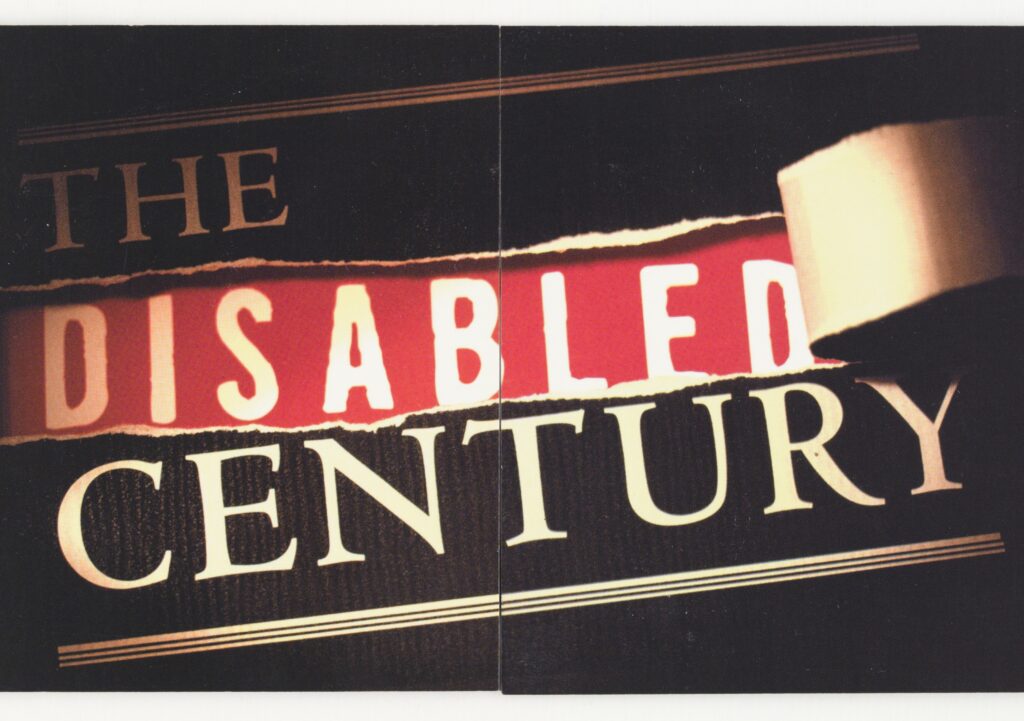
Alex is project archivist for the NDACA and NDMAC. He has worked as an archive producer for TV documentaries for 35 years, many of which have had Disabled people’s history and heritage as their subject: Disabled Century (1999), Silenced (2022) and When Barbara met Alan (2023). He has had the privilege of working alongside many Disabled artists and activists on these projects. He is interested in documenting and preserving a culture that he first experienced on the ITV LINK show, which was his first job in TV.
Revell Dixon he/him
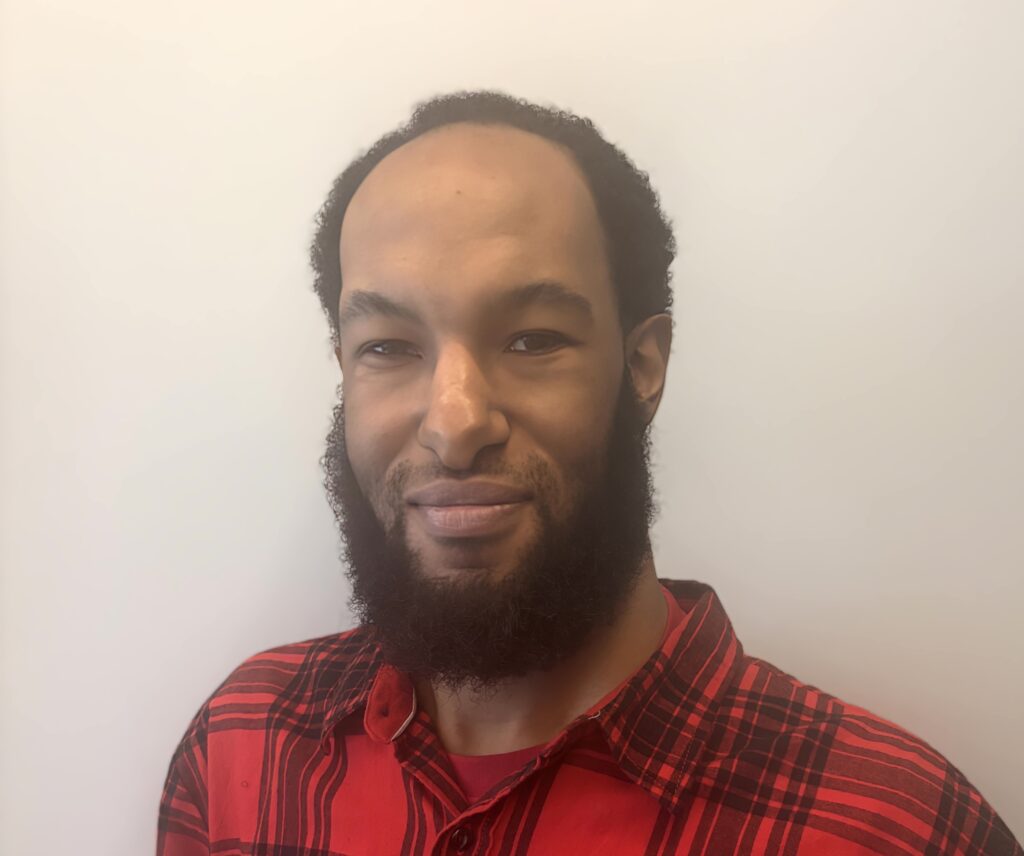
Revell is a filmmaker and Associate Artist for Disability Arts Online. He is currently working on a series called Journey into Arts, in which he meets artists who are established in their chosen fields to learn about their practice and hear about the challenges they have encountered in their careers.

Judith Drake she/her
Judith is a disabled PhD candidate in European Theatre at the University of Edinburgh. Her thesis focuses on Scottish disability theatre from 19th century freakery to current Scottish disabled theatre companies. She works closely with the disability led Birds of Paradise Theatre Company on various projects and productions.
Michael Fellowes he/him
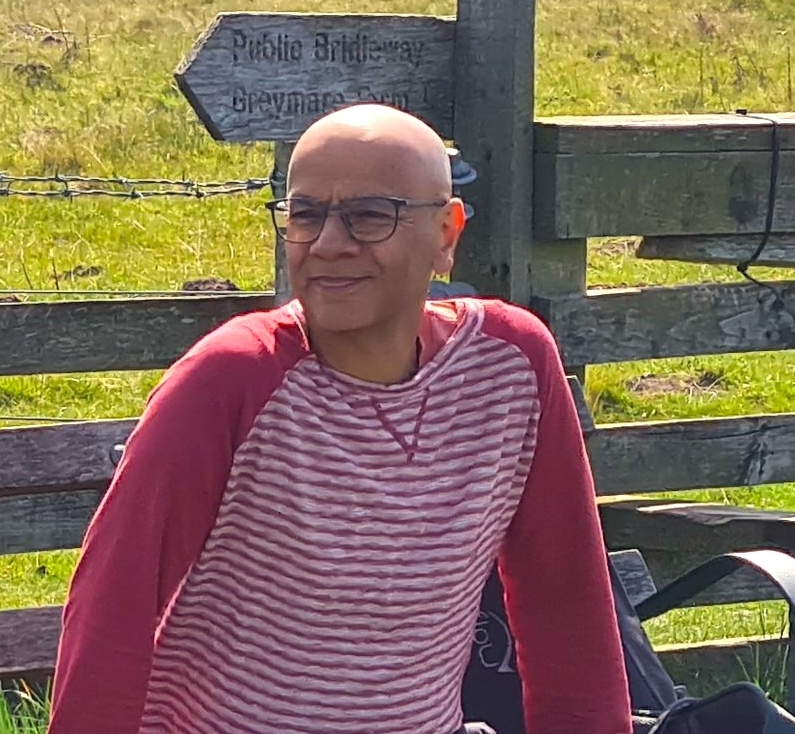
Michael is a deaf Fantasy/SF writer of colour, whose work embeds disability and D/deaf arts. His first novel is Scarlet and the White. He worked in disability arts for organisations including, The Audience Agency, Shape Arts London, and DaDaFest. He runs Sunsurfer Consultancy, training in Equalities Diversities and Inclusion.
Jamie Hale they/them
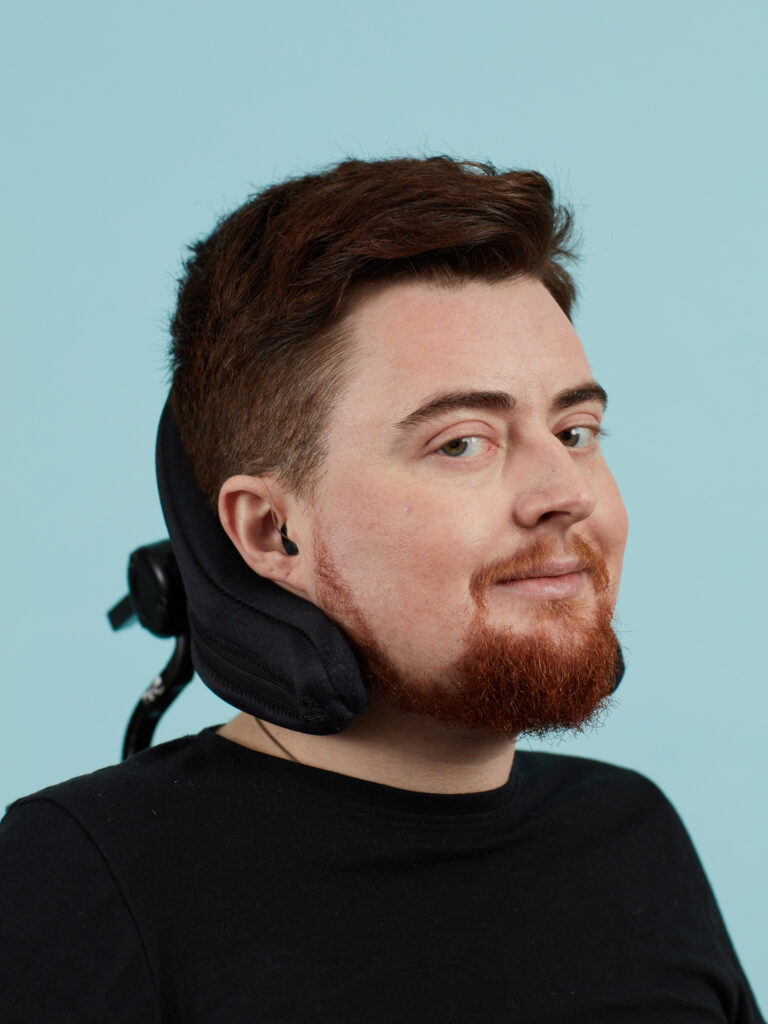
Jamie is the founding Artistic Director at CRIPtic Arts, and a freelance writer, director, and theatremaker. Having spent almost a decade working to change access in the industry – through organisational policy and creative work, they are passionate about building and supporting disabled-led spaces and making high-quality disabled-led creative work.

Jess Mabel Jones she/they
Jess is a performer, theatremaker and multidisciplinary artist and has collaborated with companies including Touretteshero, OneOfUs, Hijinx and Access All Areas. For TV and film she is an Access Coordinator having worked on titles including Celebrity Traitors, We Might Regret This and Ralph & Katie.
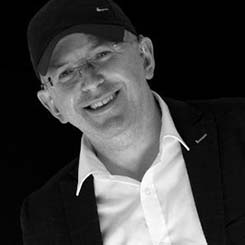
Simon McKeown he/him
Simon is an award-winning, internationally exhibiting artist and Professor of Art at Teesside University. His practice explores disability, digital futures and cultural perceptions of difference. A leading figure in Disability Arts, he creates collaborative, large-scale works that challenge norms, promote inclusion, and reframe disability as a vital cultural and social perspective.
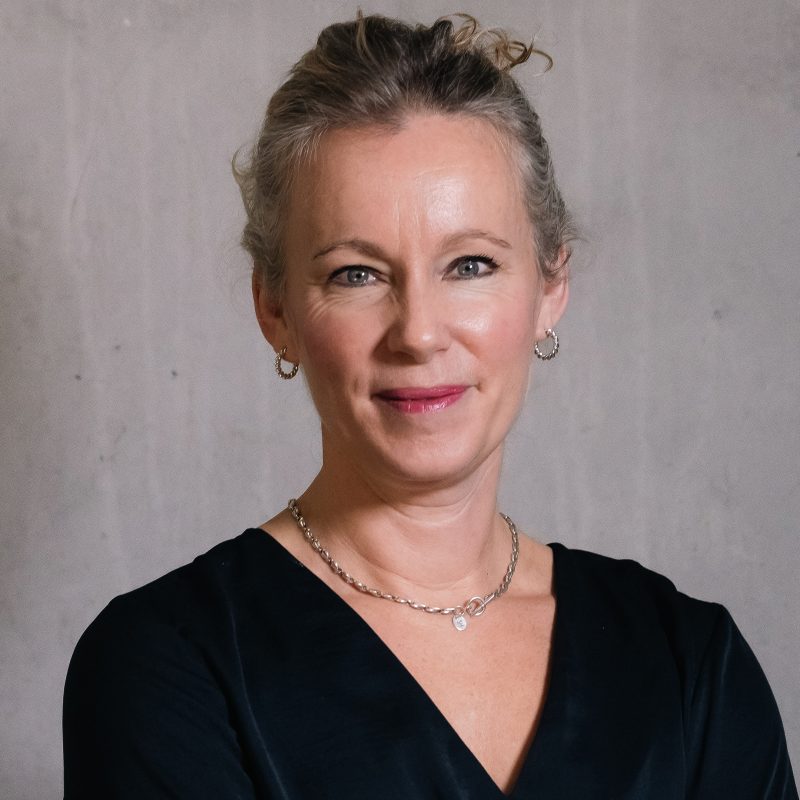
Melanie Precious (she/her)
Melanie is Executive Director at Candoco. She joins from her previous role as CEO and Creative Director at Greenwich Dance, bringing a wealth of senior leadership experience within the dance sector – including Protein Dance, The Place, and Dance East. She has worked in senior leadership positions at Shubbak Festival, Protein Dance, The Place, and Dance East, undertaken freelance strategic consultancy, and held roles within education and participation at Alex Whitley Dance Company, Hofesh Shechter Dance Company, and Sadlers Wells. Her experience is rooted in a decade-long career as a dancer and teacher.
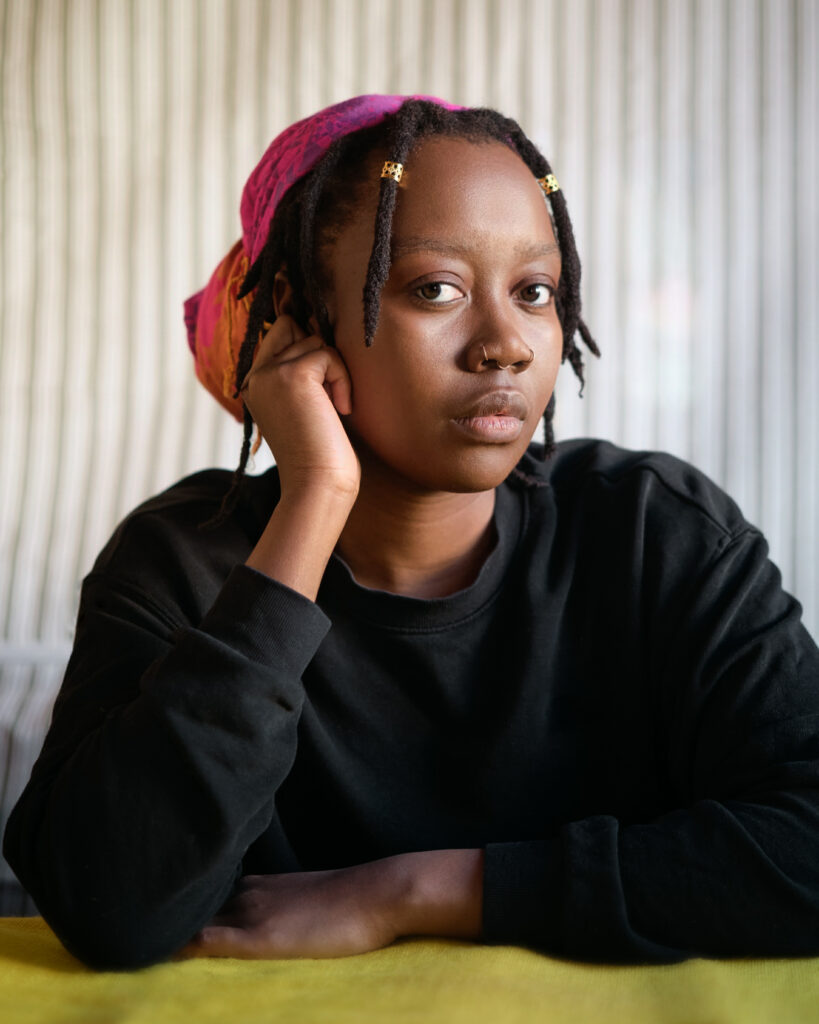
Jameisha Prescod (she/they)
Jameisha Prescod FRSA is a multidisciplinary artist and writer from South London. With work grounded in a research-based practice, Jameisha explores how culture, identity, black history and colonialism influence the way illnesses are experienced. By combining multiple art forms their work reimagines how disabled stories can be archived in more experimental ways.
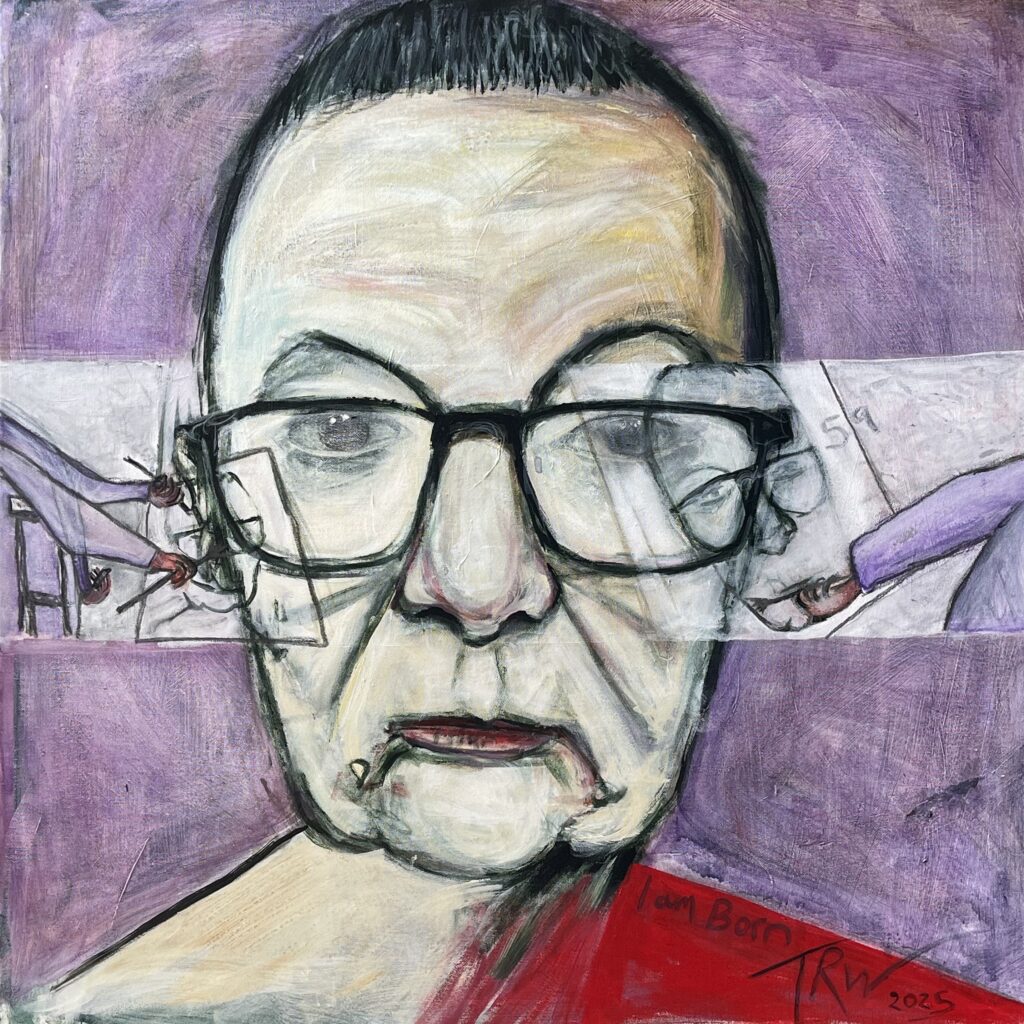
Tanya Raabe (she/her)
Tanya is a painter of disabled people who have influenced the disability arts movement and our cultural history and identity. Her portraits often take place in public spaces and galleries where audiences can engage in conversation about disability arts and cultural identities. She is especially interested in supporting other disabled artists to achieve their dreams!
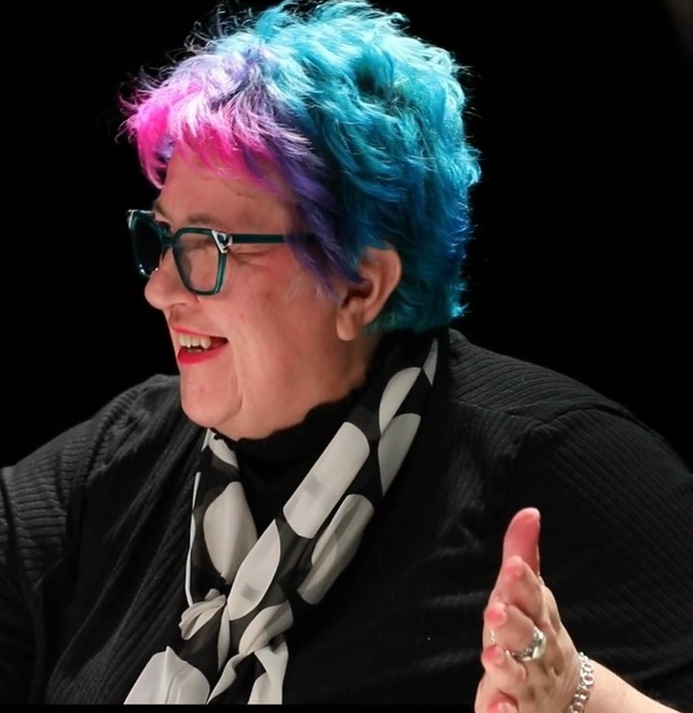
Vici Wreford-Sinnott (she/her)
Vici is a disabled theatre and TV writer and director, and is founding Artistic Director of disabled-led production company Little Cog. She has spent over thirty years creating a pantheon of new disabled protagonists in drama productions, disrupting traditional narratives, and is a collectivist providing platforms for other disabled artists.
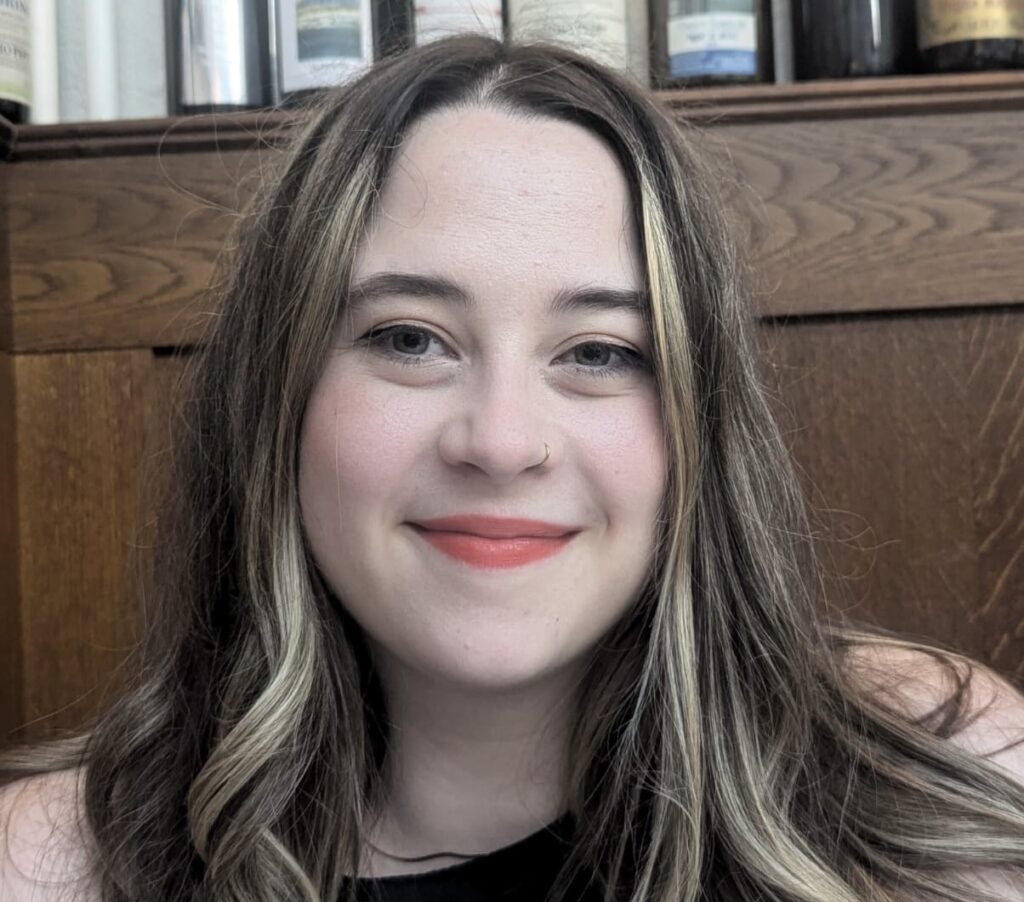
Chloe Vollenweider (she/her)
Chloe is Disabled theatre historian. She works as the Community and Advocacy Coordinator at Graeae Theatre Company. She takes care of Graeae’s archive and is passionate about capturing the current moment of the Disability Rights movement.