Kapeeka Industrial Park Drives Nakaseke’s Economic Transformation
Once known largely for subsistence farming and its place in Uganda’s liberation history, Nakaseke District has emerged as one of the country’s fastest-growing industrial hubs, with the China-Uganda Liao Shen Industrial Park in Kapeeka reshaping livelihoods, attracting investment and accelerating rural economic transformation. Established in 2015, the 5.2-square-kilometre industrial park has become a cornerstone of […] The post Kapeeka Industrial Park Drives Nakaseke’s Economic Transformation appeared first on Daily Star.
 Black News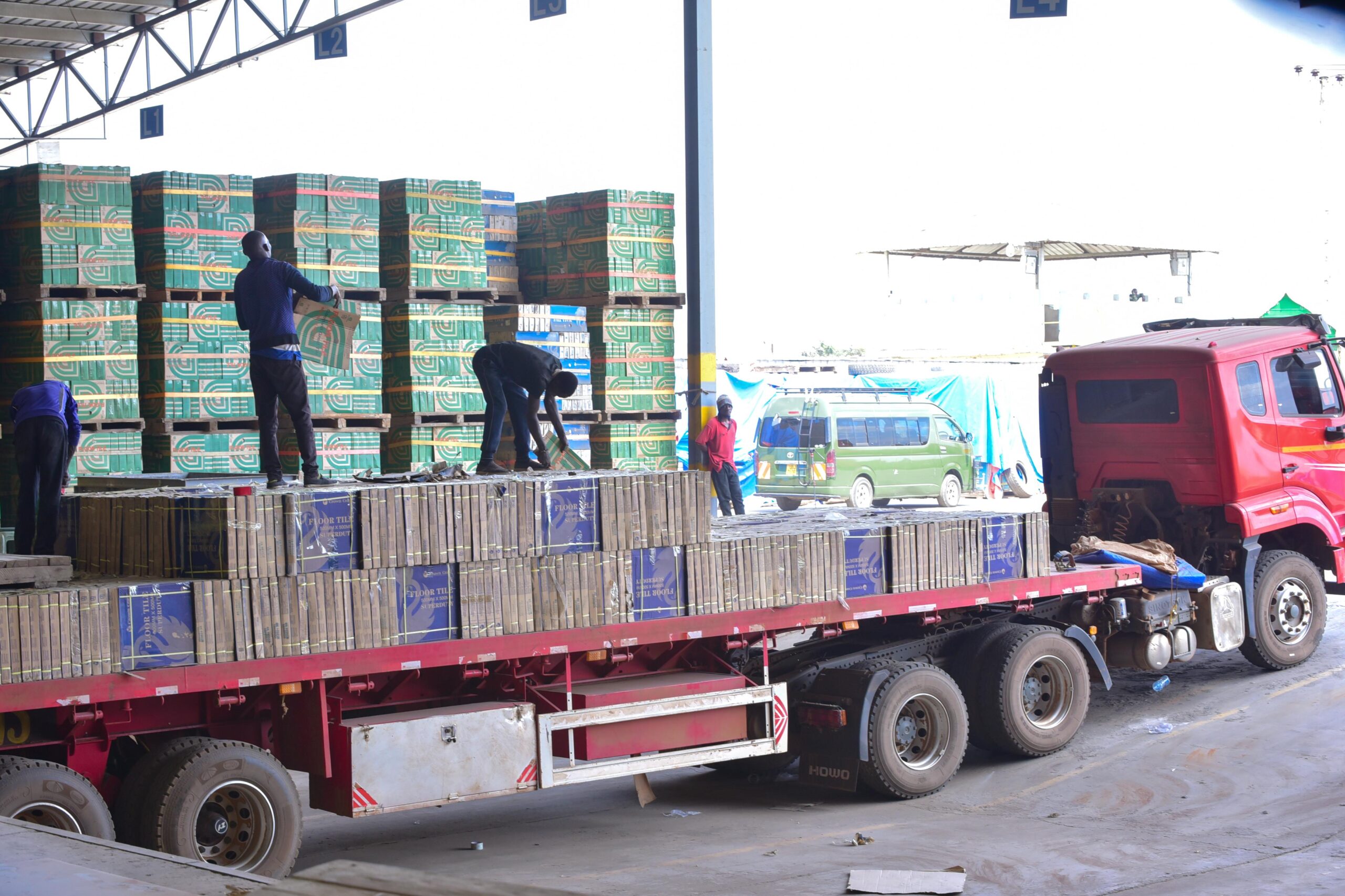
Once known largely for subsistence farming and its place in Uganda’s liberation history, Nakaseke District has emerged as one of the country’s fastest-growing industrial hubs, with the China-Uganda Liao Shen Industrial Park in Kapeeka reshaping livelihoods, attracting investment and accelerating rural economic transformation.
Established in 2015, the 5.2-square-kilometre industrial park has become a cornerstone of Uganda’s industrialisation agenda, hosting dozens of manufacturing firms producing ceramics, electronics, textiles, sanitary ware, grain products and other goods for domestic and regional markets.
The park currently employs about 36,000 workers, the majority of them Ugandans, making it one of the country’s largest industrial employers. The steady influx of workers has stimulated demand for housing, transport, food services and retail businesses, creating new income opportunities for surrounding communities.
Among the park’s flagship investors is Goodwill Uganda Ceramic Company Limited, which manufactures between 30,000 and 40,000 square metres of ceramic tiles daily. The company employs more than 1,150 Ugandans and sources over 90 per cent of its raw materials locally, supporting domestic suppliers while reducing Uganda’s dependence on imported construction materials.
Venus Industries Uganda manufactures electrical appliances, including LED bulbs, fans, extension cords and street lighting equipment, while Gocta Workwear Uganda Limited produces industrial protective clothing that is exported to European markets such as France, Romania, Greece and the Czech Republic.
Other manufacturers include Hau Hui International Group, which produces sanitary ware and porcelain products, and Yale International Investment, which processes, stores and adds value to maize and other grains sourced from Ugandan farmers before supplying local and regional markets.
Beyond factory production, Kapeeka has transformed the local economy. Residents who once depended almost entirely on subsistence agriculture have diversified into real estate, hospitality, transport and small-scale trade to serve the growing industrial workforce.
The demand for accommodation has triggered a construction boom, with modern rental units and commercial buildings replacing traditional structures. Local leaders say land prices have risen sharply over the past decade as investors seek opportunities around the industrial park, while rental properties continue to provide a reliable source of household income.
The area’s rapid urbanisation has also prompted major infrastructure improvements, including better roads, electricity supply, water systems and security, making Nakaseke increasingly attractive to investors.
The near completion of the Matugga-Nakaseke road is expected to further improve connectivity between the district and Kampala, lowering transport costs and facilitating the movement of goods and people.
The industrial park has also become an important centre for skills development. Thousands of young Ugandans have acquired practical experience in machine operation, industrial maintenance, quality control and production management through on-the-job training provided by the factories.
Workers say the opportunity to learn modern manufacturing processes has enabled many employees to progress from entry-level positions to technical and supervisory roles, gradually reducing reliance on expatriate expertise.
The park has equally fostered greater social integration, attracting workers from different parts of Uganda who now live and work alongside international technical teams, creating a diverse and vibrant community.
Economists view Kapeeka as a practical example of Uganda’s strategy to promote value addition, import substitution and export-led industrialisation. By producing goods that were previously imported while expanding exports to regional markets including Kenya, Rwanda, South Sudan and the Democratic Republic of Congo, the park is contributing to improved industrial output and strengthening Uganda’s manufacturing sector.
As government continues to expand industrial parks across the country, Kapeeka stands out as a model of how industrialisation can transform rural economies through employment creation, skills development, infrastructure investment and private sector-led growth.
The post Kapeeka Industrial Park Drives Nakaseke’s Economic Transformation appeared first on Daily Star.