Kenya revives $1.2 billion Nairobi airport expansion after Adani fallout as East Africa’s aviation race heats up
Kenya is reviving a $1.2 billion expansion of Nairobi’s main airport, months after abandoning a controversial Adani-linked deal that had triggered public anger, legal scrutiny and political pressure.
 Black News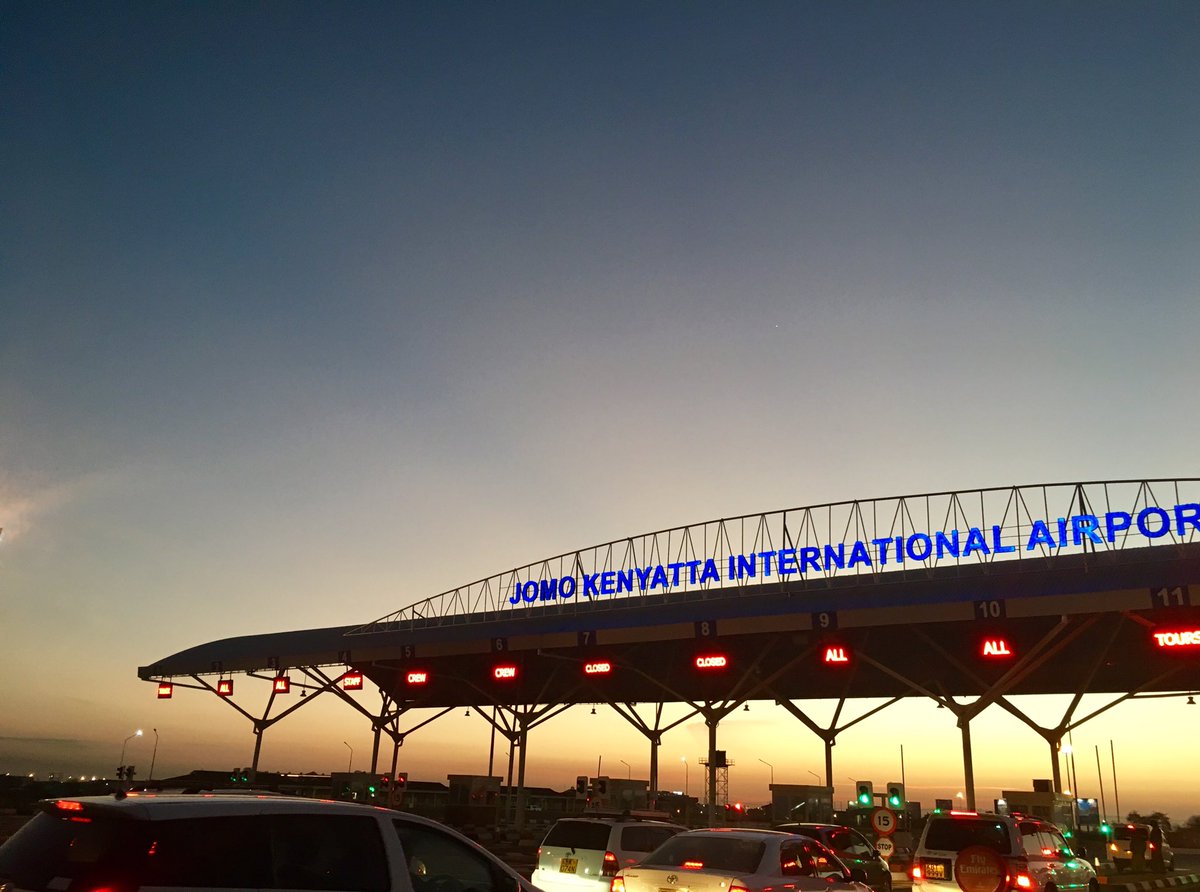

Kenya is reviving a $1.2 billion expansion of Nairobi’s main airport, months after abandoning a controversial Adani-linked deal that had triggered public anger, legal scrutiny and political pressure.
- Kenya has appointed AFC and TDB to arrange financing for a $1.2 billion upgrade of Jomo Kenyatta International Airport.
- The project comes after Kenya cancelled a proposed Adani airport deal following US indictments against Gautam Adani.
- The upgrade aims to lift JKIA’s annual passenger capacity from 7.5 million to more than 22 million.
- Kenya is racing to defend Nairobi’s hub status as Ethiopia and Rwanda invest heavily in new airports.
The government has appointed the Africa Finance Corporation and the Trade and Development Bank to arrange financing for the upgrade of Jomo Kenyatta International Airport, Kenya’s busiest airport and one of East Africa’s most important travel gateways.
Transport Minister Davis Chirchir said the project is expected to cost up to 154.2 billion Kenyan shillings, about $1.19 billion, and will be financed by leveraging airport-based revenue streams.
“The project is intended to be funded through leveraging of airport-based revenue streams. The arrangers will crowd in Development Financial Institutions and commercial banks,” Chirchir said.
Kenya is trying to modernise one of its most strategic transport assets without adding unnecessary pressure to public debt, at a time when many African governments are under pressure to find cheaper and more creative ways to fund infrastructure.
The project will include the rehabilitation of existing terminals and airfield facilities, upgrades to runways and aprons, and construction of a new passenger terminal.
Once completed, JKIA’s annual passenger handling capacity is expected to rise to more than 22 million, from about 7.5 million currently.
That would give Kenya more room to grow tourism, business travel, cargo traffic and regional connections. It would also help Nairobi defend its role as one of Africa’s busiest aviation hubs.
Kenya’s Adani setback
The airport project had previously been caught in controversy after a proposed arrangement involving India’s Adani Group drew strong criticism in Kenya.
The earlier plan would have seen Adani involved in upgrading and operating the airport under a long-term arrangement.
But in November 2024, President William Ruto ordered the cancellation of the process after US authorities indicted Gautam Adani and other executives over alleged bribery and fraud-related offences. Adani Group denied the allegations and said it would pursue legal options.
The cancellation was politically significant in Kenya, where the proposed airport deal had already faced public opposition, including concerns from workers and critics who feared job losses, loss of control over a strategic national asset and lack of transparency.
The government is now trying to move forward with a different model, using African development finance institutions to mobilise capital.
No contractor has been confirmed
The renewed project has also been surrounded by fresh claims over who will build the airport.
Local and international reports had linked the project to China Communications Construction Company and other private interests.
However, Kenyan officials have denied that a contract has been awarded.
Chirchir said procurement is still ongoing and that no final award has been made. He also rejected reports that the project would cost 375 billion shillings, saying the government does not expect the contract value to exceed 154.2 billion shillings.
Kenya is still under pressure to prove that the new process is more transparent than the Adani arrangement it abandoned.
East Africa’s airport race
Kenya’s urgency is also being shaped by a bigger regional contest. Ethiopia has started work on the $12.5 billion Bishoftu International Airport, a massive project expected to become Africa’s largest airport when completed.
The airport is designed to eventually handle up to 110 million passengers a year, strengthening Ethiopian Airlines’ position as Africa’s dominant carrier.
Rwanda is also developing Bugesera International Airport, a major project backed by Qatar Airways.
The airport is designed to help Kigali become a stronger aviation and tourism hub, with future capacity expected to rise in phases.
this suggest Kenya may be competing on airport quality, airline connectivity, passenger experience and cargo capacity.
For Kenya Airways, JKIA’s growth is especially important. The national carrier depends heavily on Nairobi’s role as a transit hub linking Africa with Europe, the Middle East and Asia.
If JKIA remains congested while rivals build larger and more modern airports, Kenya risks losing traffic, airlines and investment to competing hubs.
Airports are no longer just transport facilities. For countries such as Kenya, they are economic engines linked to tourism, exports, logistics, conferences, regional trade and foreign investment.
JKIA is particularly important because Nairobi is a major base for multinational companies, international organisations and regional business travel.
A modernised airport could strengthen Kenya’s position as a gateway into East and Central Africa. It could also support cargo exports such as flowers, fresh produce and high-value goods, which depend on fast and reliable air links.
The challenge is execution. Kenya must now deliver the project without repeating the political controversy that surrounded the Adani deal.