Lawyer Nyambirai makes U-Turn, says proposed Constitutional changes require referendum
Lawyer and businessman Tawanda Nyambirai has made a sharp U-turn over proposed constitutional changes put forward by the ruling Zanu PF party, arguing that the fundamental amendments now on the table require a national referendum. The proposed changes are contained in Constitutional Amendment Bill No. 3, which was gazetted earlier this week. Among many wide-ranging […] The post Lawyer Nyambirai makes U-Turn, says proposed Constitutional changes require referendum appeared first on NewZimbabwe.com.
 Black News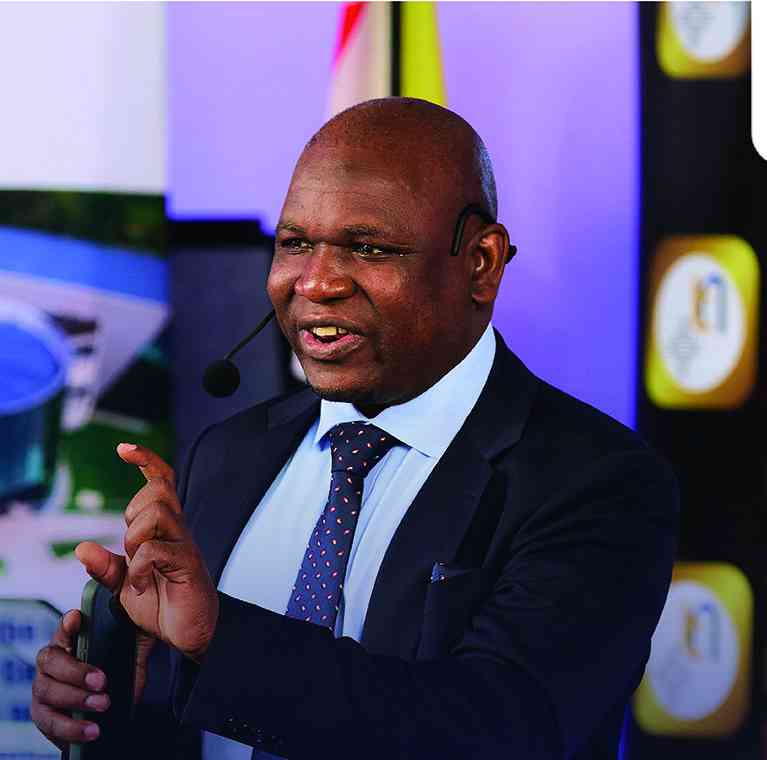


Lawyer and businessman Tawanda Nyambirai has made a sharp U-turn over proposed constitutional changes put forward by the ruling Zanu PF party, arguing that the fundamental amendments now on the table require a national referendum.
The proposed changes are contained in Constitutional Amendment Bill No. 3, which was gazetted earlier this week. Among many wide-ranging proposals, the Bill seeks to extend presidential term limits from five to seven years. It would also pave the way for President Emmerson Mnangagwa to remain in office for an additional two years to 2030.
Another significant proposal will shift the election of the President to Parliament from the public. At present, Zimbabweans vote for their President in a national poll held every five years.
The Bill is born of a resolution adopted at the 2024 Zanu PF’s Annual People’s Conference. Since then, debate has simmered over whether such far-reaching amendments can be made without consulting the electorate through a referendum.
Zimbabwe’s 2013 Constitution, which was adopted following a nationwide referendum and is widely regarded as a product of broad political compromise, sets strict rules on amendments.
Section 328 of the Constitution states that any change to presidential term limits that benefits an incumbent cannot take effect without approval in a referendum.
In October last year, well before the Bill was crafted and gazetted, Nyambirai had publicly argued that a referendum was not required to introduce a seven-year presidential term, even if the sitting President stood to benefit.
“Sections 91, 95, and 328 of the Zimbabwe Constitution do not require a referendum to introduce a 7 year Presidential term and do not prohibit a sitting President from benefiting from the 7 year term!!! Law is still my passion. But I have not practiced it in a long time. So, rather than make submissions on the whole Constitution, I will limit my submissions to Sections 91, 95 and 328,” Nyambirai wrote on his X account.
However, just two days after the gazetting of the Bill, Nyambirai shifted his position, saying the proposed amendments, as currently framed, would trigger the need for a referendum under Section 328.
“If the summaries circulating are accurate, I struggle to see how the proposed changes could be effected without triggering a referendum under Section 328 of the Constitution.
“We debated Section 328 extensively last year. What we did not debate is Section 158, which governs the timing of General Elections. It requires that General Elections be held not more than 30 days before the expiry of the five-year period specified in Section 143,” he said.
Section 158 sets the timing of general elections, while Section 143 fixes the five-year life span of Parliament. Although Section 158 may not itself be a “term-limiting provision” as defined in Section 328, Nyambirai said it provides strong constitutional grounds to challenge any extension of tenure.
He further argued that the term of Parliament, which runs concurrently with that of the President, cannot be extended without a referendum.
“As for Parliament, Section 143 is unequivocally term-limiting. Absent some genuine constitutional innovation, it is difficult to see how it could be amended without a referendum.
“Call me naïve — I will plead guilty. My assumption in 2025 was that Government might rely on the COVID-19 pandemic and introduce a narrowly tailored provision along these lines:
“Section 158A:
In computing the tenure of Parliament or the term of office of the President during any term immediately following the tenure during which a national pandemic lasting more than two years occurs, a period of two years shall be deducted and excluded from such computation.”
Nyambirai’s earlier legal opinion had been welcomed by some figures aligned to Zanu PF, including self-exiled former Cabinet minister Jonathan Moyo, who publicly praised his interpretation at the time.
But his latest stance has drawn mixed reactions. United States-based activist Freeman Chari mocked the lawyer on social media, suggesting that the ruling party had relied on his earlier argument when shaping the Bill.
“You are gonna be sued because they copy pasted your opinion,” Chari wrote on his X account.
The debate over the proposed amendments is expected to intensify in the coming weeks, as legal experts, political parties and civil society weigh the constitutional and political implications of altering Zimbabwe’s supreme law without a direct mandate from the people.
The post Lawyer Nyambirai makes U-Turn, says proposed Constitutional changes require referendum appeared first on NewZimbabwe.com.