Left-wing conference calls for nationalisation and constitutional overhaul
In a move likely to spark confrontation with the ANC, the conference insisted that working-class power must lead the struggle for popular power in SA.
 Black News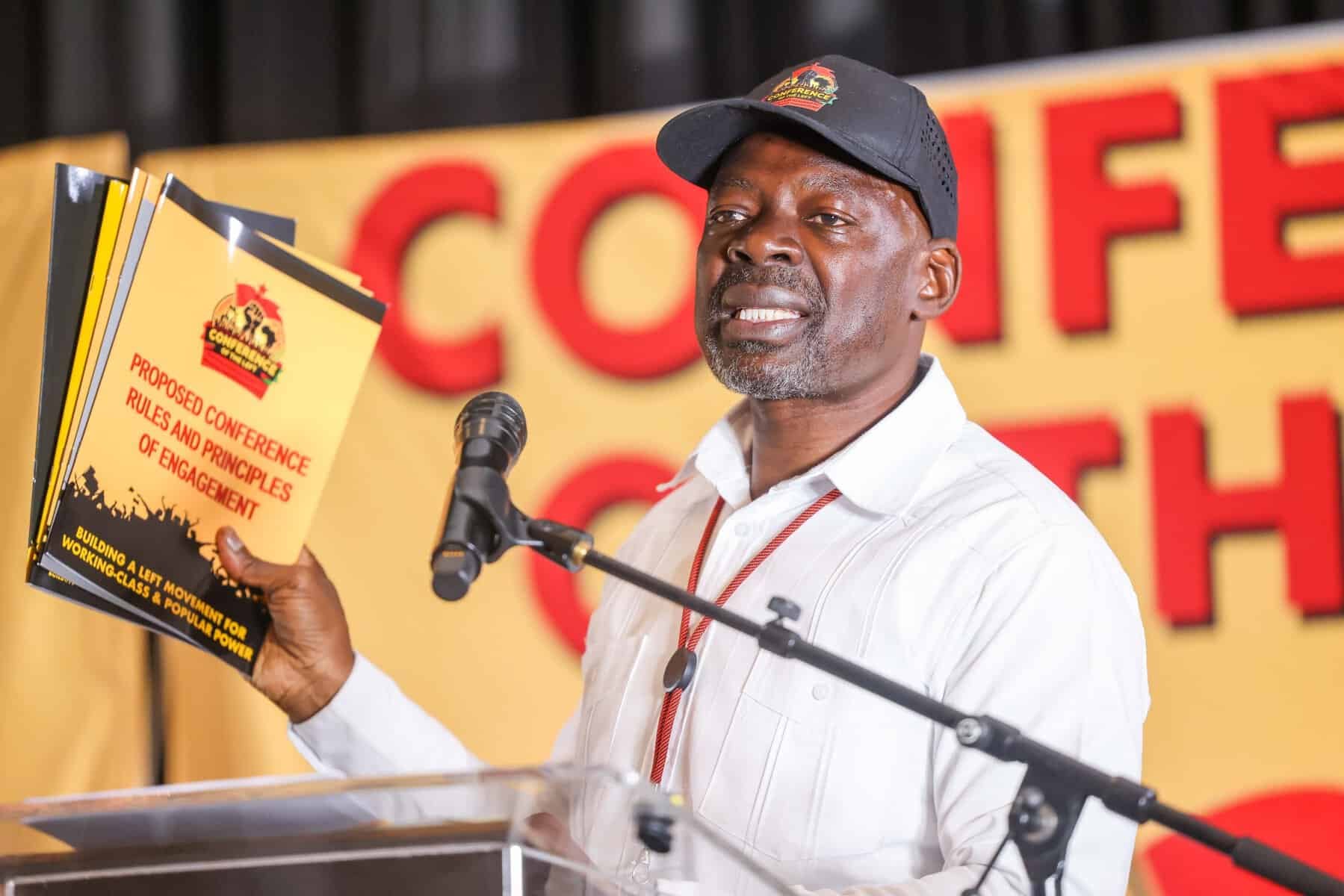
South Africa’s first Conference of the Left has declared its intention to push beyond the compromises of the 1994 democratic settlement, adopting a bold socialist line that places nationalisation, land expropriation without compensation and constitutional review firmly back on the national agenda.
Meeting in Boksburg, Ekurhuleni, the gathering of 13 organisations – including the South African Communist Party (SACP), Azapo, the EFF, the uMkhonto weSizwe party, trade unions and civil society groups – resolved that the commanding heights of the economy must rest in the hands of the working class.
Delegates demand sweeping economic reforms
In a three‑day gathering, delegates demanded the nationalisation of the Reserve Bank, a fundamental reorientation of monetary policy toward employment and industrialisation and a sweeping review of the 1996 constitution to address unfinished democratic and socialist tasks.
Land reform, once central to the ANC’s transformation agenda but later abandoned, was placed back at the heart of the struggle, with delegates insisting that restitution and redistribution are inseparable from dignity, equality and democratic access.
“Monetary policy must serve employment, industrialisation, developmental finance, public investment, transformation and the needs of the working class and poor,” delegates said.
The conference also demanded a review of the constitution “from the standpoint of unfinished national democratic and socialist tasks”, including land, property relations, public ownership, social rights, participatory democracy and the role of the state in the economy.
Delegates demand sweeping economic reforms
Land reform placed at the centre of the struggle
Delegates resolved that land reform must restore dignity, advance equality, expand democratic access and place land in the hands of those who work and live on it.
The conference endorsed expropriation without compensation, alongside security of tenure, restitution and redistribution.
It argued that without changing ownership of the commanding heights of the economy, there could be no real transformation.
In a move likely to spark confrontation with the ANC, the conference insisted that working-class power must lead the struggle for popular power in South Africa.
For decades, the ANC has been regarded as the leader of society through its tripartite alliance with the SACP and Cosatu.
Tensions emerge between the ANC and the left
The ANC has resisted calls for the alliance to be reconfigured to give partners equal standing.
By convening without the ANC, which boycotted the gathering despite being invited, the left signalled its intention to seize the strategic initiative, with the SACP at the head.
“The struggle for popular power must be anchored in the leadership of the working class,” delegates declared.
The conference resolved that the left must be broad enough to unite all who stand with the working class, including the poor, unemployed, women, youth, students, rural communities, people with disabilities, LGBTQI+ groups, migrants and other oppressed constituencies.
In a pointed rebuke to the ANC, which dismissed the gathering as not truly leftist, delegates agreed to include “those who do not identify as socialist but are committed to fighting exploitation, inequality, austerity, monopoly capitalism, patriarchy, racism, xenophobia, Afrophobia, war and imperialism”.