Middle East tensions and fuel costs push South Africa water tank prices up 31%
Rising global oil prices linked to Middle East tensions are pushing up fuel costs in South Africa, adding pressure to an already strained water system and forcing households and businesses to pay more for basic supply.
 Black News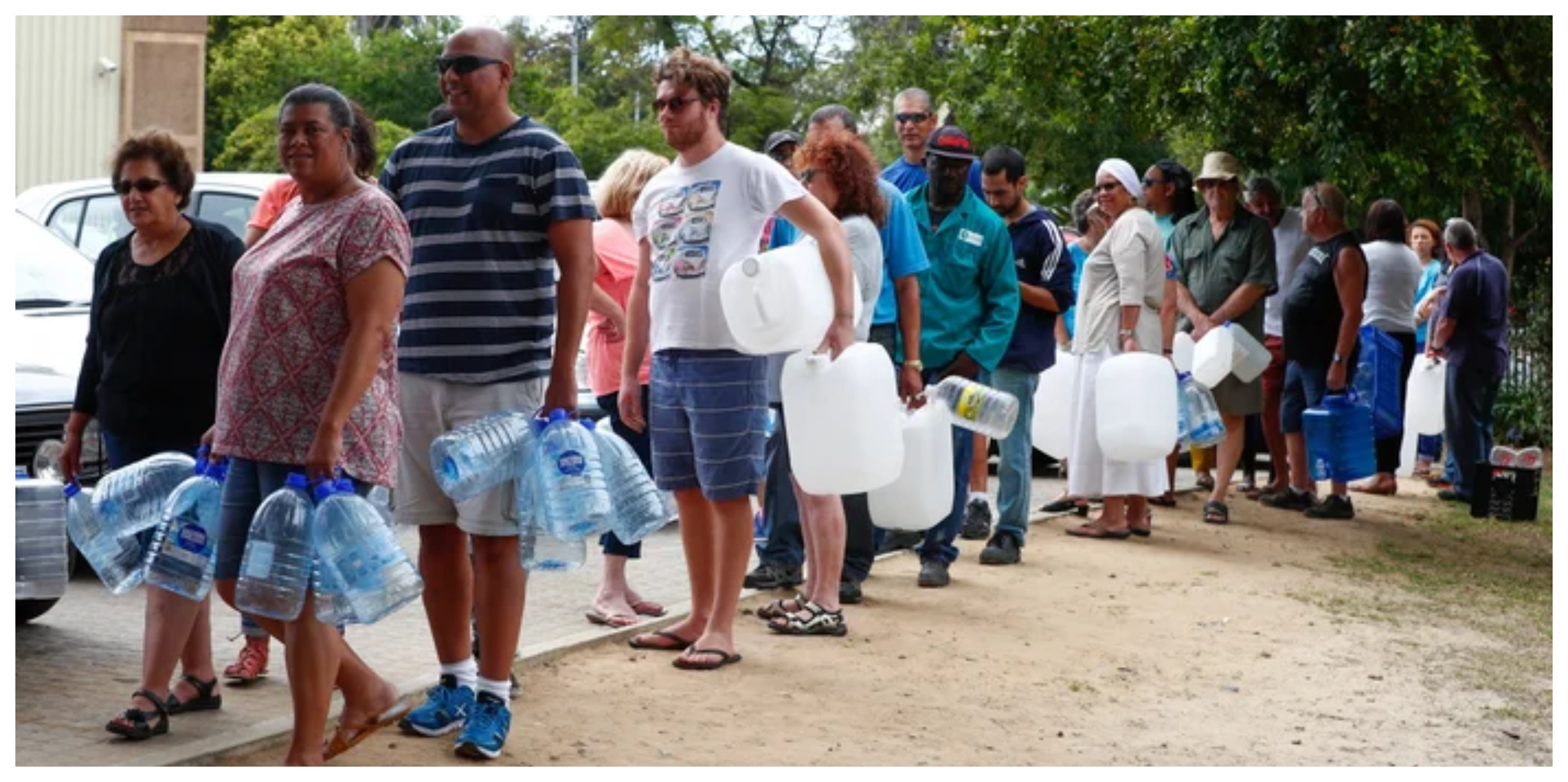

Rising global oil prices linked to Middle East tensions are pushing up fuel costs in South Africa, adding pressure to an already strained water system and forcing households and businesses to pay more for basic supply.
- Global oil price increases due to Middle East tensions have driven South African fuel costs to near two-decade highs.
- South Africa's water crisis is worsening, raising costs as suppliers like JoJo declared force majeure and increased water tank prices by 31%.
- Fuel and petrochemical price hikes are inflating manufacturing and distribution costs, with petrol prices in Gauteng rising by 3.06 rand per litre and diesel by up to 7.51 rand per litre.
- Lesotho, which supplies water to South Africa, seeks to renegotiate water agreement terms to secure a larger share of rising water revenues reflecting the resource's growing strategic value.
South Africa’s worsening water crisis is pushing up costs for households after water tank supplier JoJo declared force majeure and raised prices by 31%, BusinessTech reported.
The company said the increase, effective April 1, reflects a surge in input and distribution costs, with customers already notified at the end of March.
“Continued conflict in the Middle East has disrupted global petrochemical supply chains, reducing the availability and increasing the cost of key raw materials used in our manufacturing process,” JoJo said.
It cited rising costs of polymer, paraffin and diesel, adding that the price of LLDPE, a key material used in its tanks, jumped 50% from April 1.
“In light of these increases, we regret to inform you that JoJo is declaring ‘force majeure’ and will be implementing a price increase of 31% effective 1 April 2026.”
Other suppliers in the plumbing and water storage sector have also raised prices by between 12% and 30%, pointing to broader cost pressures across the value chain.
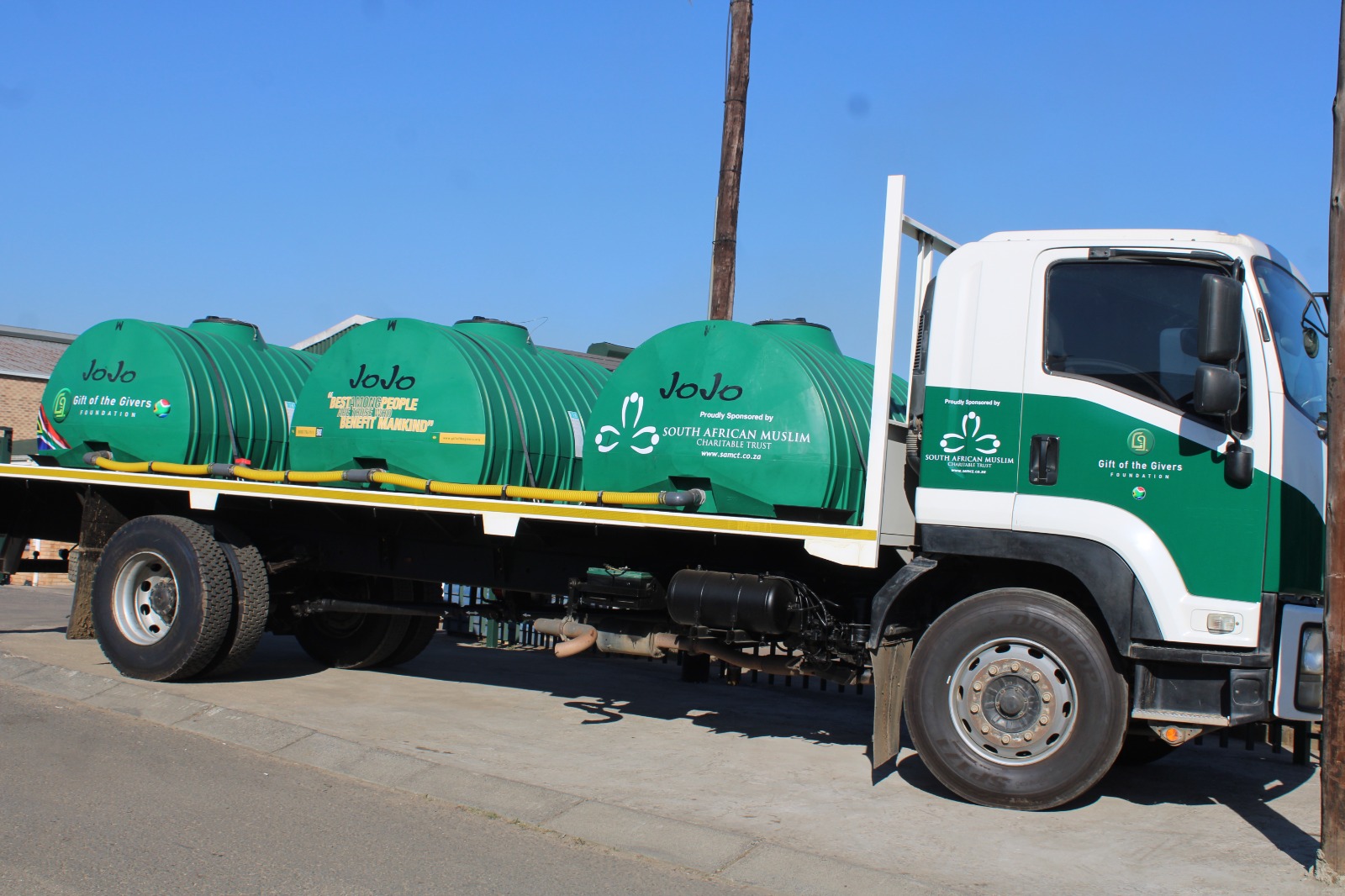
Households turn to private water solutions
The price increases come as more South Africans shift to alternative water sources due to unreliable municipal supply.
Neglected infrastructure, persistent leaks and weak maintenance have left some communities without water for extended periods, forcing households and businesses to invest in boreholes and storage systems.
Estimates indicate that about R90 billion per year will be needed over the next decade to repair and upgrade water infrastructure.
In Johannesburg, non-revenue water stands at 44.8%, meaning a significant share of treated water is lost before it generates income.
Cities such as eThekwini, along with towns in the Eastern Cape, Free State, Limpopo and Mpumalanga, continue to rely on emergency supply interventions.
Energy shock pushes up production and distribution costs
South Africa is facing its largest fuel price increase in nearly two decades, driven by higher global oil prices and a weaker currency.
The government said Brent crude rose from $69.08 to $93.67 per barrel during the review period, largely due to tensions between the United States and Iran affecting supply through the Strait of Hormuz.
“The average Brent crude oil price increased from 69.08 dollars to 93.67 dollars during the period under review. This is due to the continued tension between the United States and Iran, which has affected crude oil supply, especially through the Strait of Hormuz,” the Department of Mineral Resources and Energy said.
At the same time, the rand depreciated from about 16.00 rand to 16.64 rand against the U.S. dollar, adding further pressure to domestic fuel prices, Bloomberg reported.
As a result, petrol prices in Gauteng will rise by 3.06 rand per litre, while diesel could increase by up to 7.51 rand per litre from April 1.
These increases are feeding directly into manufacturing and logistics costs, particularly for sectors reliant on petrochemical inputs and fuel distribution.
Lesotho seeks bigger share of water revenues
The crisis is also elevating the strategic value of water in the region.
Lesotho, which supplies water to South Africa, earns about $300 million annually in royalties, accounting for roughly 15% of government revenue, according to Bloomberg.
The country is now seeking to renegotiate the terms of its long-standing water agreement with South Africa, with talks expected to begin in April.
“We have to go back and look at the impact of compensation,” Natural Resources Minister Mohlomi Moleko said. “If you give somebody compensation, you don’t want the person’s life to be worse off. It has to be higher.”
Officials say the current terms no longer reflect economic realities, as water becomes an increasingly valuable resource.
For JoJo, which grew from a small 1970s operation into a dominant supplier with a peak market share of 60% and daily sales of about 1,200 tanks, demand is rising alongside mounting cost pressures.