Morocco’s rise, practical lessons for Malawi
When Morocco’s automobile exports overtook its phosphate revenues in 2023, it marked a striking shift for a country long known for agriculture and phosphate mining. A nation with no oil, no gas and few natural‑resource advantages has become one of the world’s most dynamic automotive manufacturing hubs. In 2024, Morocco exported more than $60 billion … The post Morocco’s rise, practical lessons for Malawi appeared first on Nation Online.
 Black News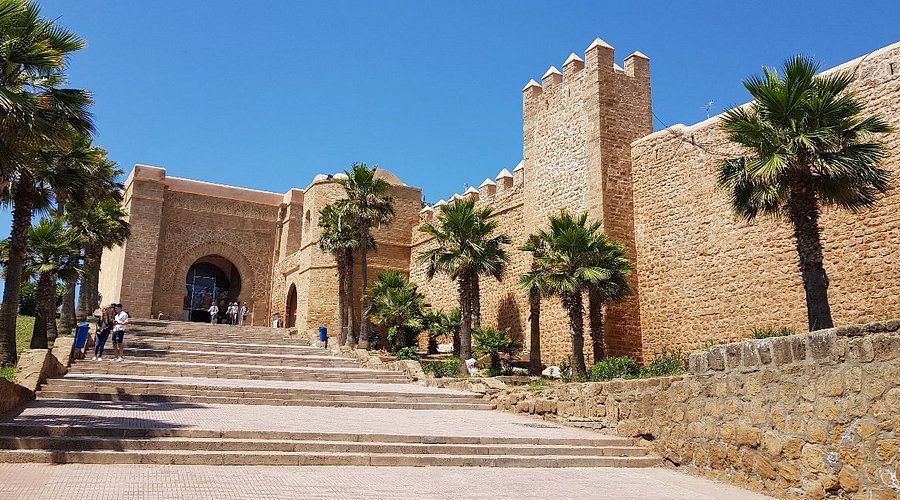
When Morocco’s automobile exports overtook its phosphate revenues in 2023, it marked a striking shift for a country long known for agriculture and phosphate mining.
A nation with no oil, no gas and few natural‑resource advantages has become one of the world’s most dynamic automotive manufacturing hubs. In 2024, Morocco exported more than $60 billion worth of goods, with cars alone contributing over $9 billion.
Start with what exists
When Morocco gained independence in 1956, it inherited a system designed for extraction, not development. The country had almost no trained lawyers, economists or engineers. But it did have one unexpected asset: doctors. Hundreds of Moroccan physicians had been educated in France and they became the backbone of the new State.
For Malawi, the message is straightforward: Development begins with what is available, including people, institutions and systems and grows through steady, disciplined adaptation.
Consistency matters more than speed
Between 2000 and 2024, Morocco’s gross domestic product (GDP) grew from roughly $39 billion to more than $160 billion. GDP per capita rose from about $1 500 to over $4 000. Extreme poverty fell sharply. Even in difficult years marked by droughts or earthquakes, Morocco stayed on course.
This progress did not come from a commodity boom. It came from policy continuity, a national direction that did not change with every political season.
For Malawi, the lesson is clear: Steady, predictable policy is more powerful than dramatic but short‑lived reforms.
Build ecosystems, not projects
Morocco did not celebrate the arrival of a single car factory. It built an entire ecosystem around the industry. Today, the country is recognised as one of the world’s most dynamic automotive manufacturing hubs, attracting major manufacturers and suppliers from the United States, France, China, Japan and other global markets. By 2023, the sector employed more than 200 000 people, with local content exceeding 65 percent.
This is where Malawi often struggles. We celebrate projects, not systems. Yet true linkage is possible across many sectors, including mining. A mining operation can stimulate demand for workwear, protective equipment, chemicals, engineering services, transport, catering and local fabrication. These are opportunities for Malawian small and medium enterprises if the ecosystem is deliberately shaped rather than left to chance.
The lesson for Malawi: Real development comes from linkages whether from farms to processors or from mines to manufacturers.
Institutional stability and steady governance
One of Morocco’s greatest strengths has been institutional continuity. Long‑term commitments were honoured. Reforms were not reversed with every change in leadership. This stability enabled major national consultations, regional expansion of Moroccan companies and one of Africa’s fastest Covid‑19 vaccination campaigns.
Morocco also approached corruption as a long‑term institutional challenge. Instead of relying on dramatic crackdowns, it strengthened oversight bodies, expanded asset‑declaration rules, and modernised procurement systems. Progress has been gradual, but it has helped build a culture of accountability and predictability, qualities that support investment and public confidence.
For Malawi, the implication is clear: Predictability, transparency and steady institutional strengthening are development tools.
Growth must reach the young
Morocco’s achievements are real, but incomplete. Inequality remains, and many young people still feel left out. The country acknowledged these gaps and began reforms to address them.
Malawi faces similar challenges. Development must be felt by the young, not just measured on paper.
Stop searching for imported blueprints
For decades, African countries have chased external models, the Asian miracle, the European social compact, the Washington Consensus. Morocco moved past this. It built a model rooted in its own geography, constraints, and capabilities.
A practical path forward
Morocco’s story is not about perfection. It is about direction, discipline and the courage to build with what is available. For Malawi, the most important lesson is this: Stop waiting for ideal conditions. Start building with what we have and keep adjusting the sails without losing sight of the horizon.
The post Morocco’s rise, practical lessons for Malawi appeared first on Nation Online.