President Yoweri Kaguta Museveni has cracked the whip on senior officials in the Ministry of Internal Affairs and the Uganda Police, sending them on forced leave over a deepening corruption probe in the multi-billion CCTV project.
Permanent Secretary Lt. Gen. Joseph Musanyufu, Undersecretary Aggrey Wunyi, and AIGP Felix Baryamwisaki have all been ordered to step aside as investigations gather pace.
In a directive dated May 23, 2026, addressed to the Head of Public Service and Secretary to Cabinet, Lucy Nakyobe Mbonye, Museveni said the move follows a damning report by Internal Affairs Minister Maj. Gen. Kahinda Otafiire on alleged rot in the maintenance of police surveillance cameras.
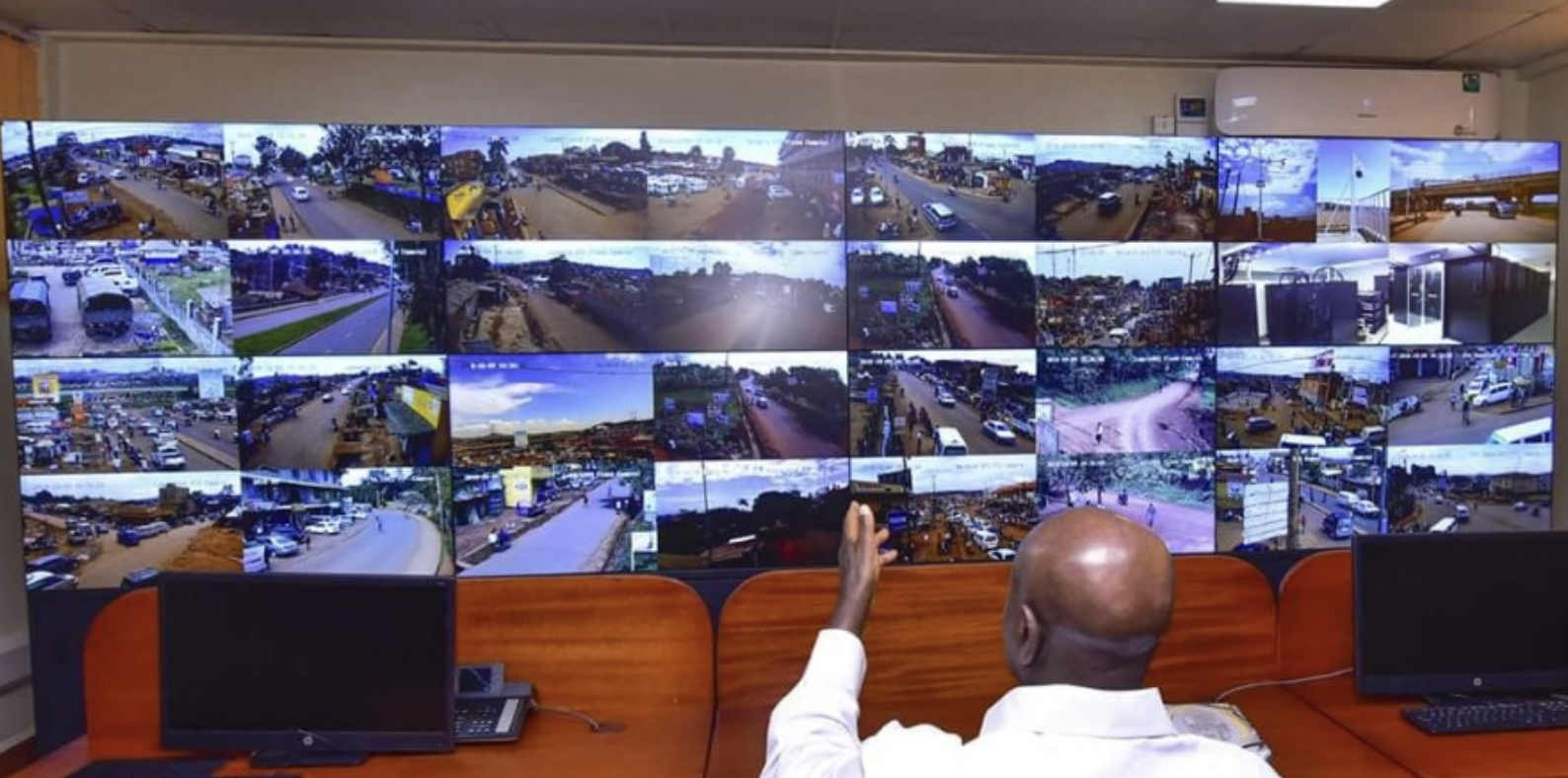
The CCTV system, rolled out with support from Chinese tech giant Huawei, was a key government response to rising urban crime. But trouble reportedly began after Huawei faced sanctions from the United States and European Union in 2019, forcing a shift to local contractors.
Museveni singled out Dealan Associates Limited as the firm tasked with maintaining the system. However, despite the Ministry of Finance releasing Shs 31.37 billion, the contractor was allegedly left unpaid.
The President revealed that officials are suspected to have frustrated payments through a middleman, Hassan Serunjoji, who allegedly demanded bribes — raising fresh questions about accountability in one of Uganda’s most critical security projects.
As the State House Anti-Corruption Unit moves in, Museveni ordered Musanyufu and Wunyi to take six months’ forced leave, while Baryamwisaki was directed to step aside temporarily.
He also instructed that an acting Permanent Secretary be appointed immediately to avoid disruption of services.
Museveni further directed that Serunjoji be prosecuted if evidence is established and ordered government to settle outstanding dues owed to Barbara Katisi of Dealan Associates Limited.
The shake-up sends a strong signal from State House, as pressure mounts on government to clean up corruption in high-stakes security investments.
Uganda heavily invested in the CCTV network following a wave of assassinations and violent crime between 2017 and 2018, making the system a backbone of the country’s modern surveillance and intelligence operations.

 Black News