Neighborhood Health Centers In Brownsville, East Harlem And Tremont To Serve As Cooling Centers During Extreme Heat
Photos: YouTube Screenshots NEW YORK, NY — With New Yorkers still hot from the Knicks come-from-behind win in game 4 of the NBA Finals last night, today, the NYC Health Department and New York City Emergency Management (NYCEM) are opening three new cooling centers at the Neighborhood Health Action Centers in Brownsville, East Harlem, and Tremont to help reduce the risk of heat illness in neighborhoods where residents are at the highest risk of getting sick or dying from the heat in New York City. As New York City Mayor Zohran Kwame Mamdani mentions in a new video PSA released yesterday, this comes as the City urges New Yorkers to take precautions for hot and humid weather on Thursday and Friday, when heat index degrees may reach up to 100 Fahrenheit (37 Celsius). “The Knicks are hot, and you may be too. The addition of our Neighborhood Health Action Centers as cooling centers gives New Yorkers in these neighborhoods a greater chance to stay safe during extreme heat,” said NYC Health Commissioner Dr. Alister F. Martin. “Black and Latino New Yorkers are more likely to die from heat-related causes, with a lack of access to home air-conditioning being the most important risk factor. By opening more spaces where New Yorkers can cool off from extreme heat in neighborhoods like Harlem, Brownsville, and Tremont, we are demonstrating our commitment to serving communities that are impacted the most.” “Extreme heat is becoming more frequent, lasting longer, and arriving earlier in the year than ever before,” said NYCEM Commissioner Christina Farrell. “Meeting this moment means ensuring every neighborhood has access to resources that keep New Yorkers safe. Expanding cooling center options in Brownsville, East Harlem, and Tremont will provide more New Yorkers with places to find relief during dangerous heat and help protect communities facing some of the city’s greatest heat risks.” During heat emergencies, NYCEM activates cooling centers and updates the NYC Cool Options Map and finder tools to help residents locate nearby places to stay cool. Cooling centers are activated when the National Weather Service issues a heat advisory with a forecast heat index of 95 F or higher for at least two consecutive days or 100 F or higher at any time. Once activated, residents can find cooling centers and other options by calling 311 or visiting nyc.gov/beattheheat. Now, for the first time, the NYC Health Department’s three Neighborhood Health Action Centers of Brownsville, East Harlem, and Tremont will also serve as cooling centers. This is particularly important because the Neighborhood Health Action Centers are located in neighborhoods identified as having the highest Heat Vulnerability Index levels and among the highest rates of heat-related illness and death in New York City. Extreme heat causes more deaths in the city annually than all other natural hazards combined, as about 500 New Yorkers die from heat each summer. Black New Yorkers are more likely to die from heat stress, with death rates two times higher than white New Yorkers. Lack of access to home air-conditioning is the most important risk factor for heat-stress death. People who died from heat stress were exposed to dangerous temperatures most often in un-air-conditioned homes. Neighborhood Health Action Centers are designed to provide neighborhood-specific services that reduce health inequities and improve health outcomes across the city. Providing critical relief and support during periods of extreme heat is directly aligned with this mission. Programs at the Neighborhood Health Action Centers serve residents living in these areas by providing public health and social services including maternal and family health services, community events, workshops, and trainings. Extreme heat poses significant health risks, particularly for older adults, young children, and individuals with underlying medical conditions. All New Yorkers are urged to take heat warnings seriously, remain vigilant, and check on neighbors, friends, and family members who may be vulnerable. It is important to recognize the warning signs of heat-related illness, which include hot, dry skin; trouble breathing; rapid heartbeat; confusion, disorientation, or dizziness; nausea or vomiting; and weakness or fainting. Anyone experiencing these symptoms may be developing a serious heat-related condition. They should go to a cool place and drink water. If there is no improvement, call a doctor or 911. For more advice on staying safe and spotting signs of heat-related illness, visit nyc.gov/health/heat or nyc.gov/beattheheat. The Health Department strongly advises residents without air-conditioning to seek relief in public spaces, libraries, and shopping centers during periods of high temperatures. For a complete list of cooling centers, use the Cool Options Map. Locations of Neighborhood Health Action Centers That Are Cooling Centers Brownsville Neighborho
 Black News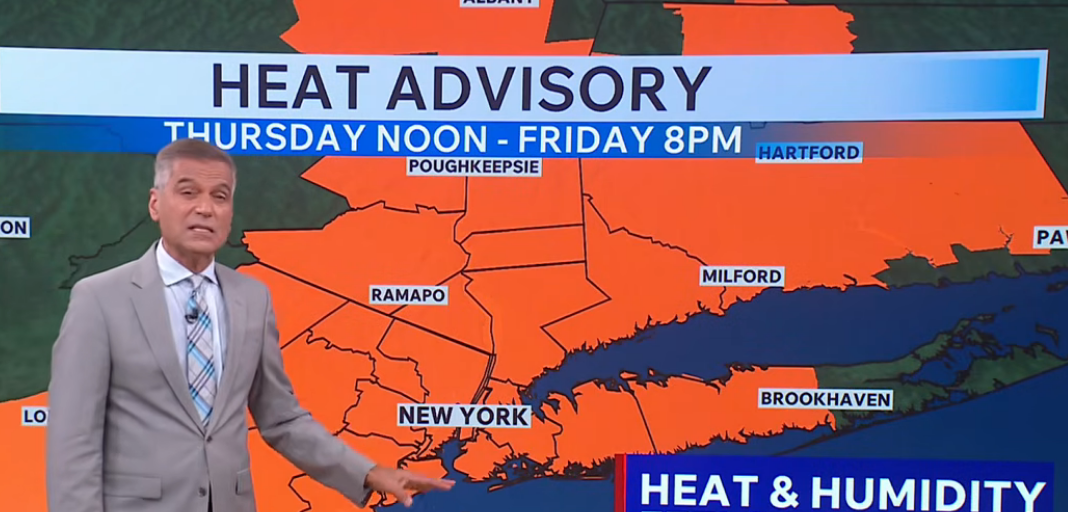
Photos: YouTube Screenshots
NEW YORK, NY — With New Yorkers still hot from the Knicks come-from-behind win in game 4 of the NBA Finals last night, today, the NYC Health Department and New York City Emergency Management (NYCEM) are opening three new cooling centers at the Neighborhood Health Action Centers in Brownsville, East Harlem, and Tremont to help reduce the risk of heat illness in neighborhoods where residents are at the highest risk of getting sick or dying from the heat in New York City. As New York City Mayor Zohran Kwame Mamdani mentions in a new video PSA released yesterday, this comes as the City urges New Yorkers to take precautions for hot and humid weather on Thursday and Friday, when heat index degrees may reach up to 100 Fahrenheit (37 Celsius).

“The Knicks are hot, and you may be too. The addition of our Neighborhood Health Action Centers as cooling centers gives New Yorkers in these neighborhoods a greater chance to stay safe during extreme heat,” said NYC Health Commissioner Dr. Alister F. Martin. “Black and Latino New Yorkers are more likely to die from heat-related causes, with a lack of access to home air-conditioning being the most important risk factor. By opening more spaces where New Yorkers can cool off from extreme heat in neighborhoods like Harlem, Brownsville, and Tremont, we are demonstrating our commitment to serving communities that are impacted the most.”
“Extreme heat is becoming more frequent, lasting longer, and arriving earlier in the year than ever before,” said NYCEM Commissioner Christina Farrell. “Meeting this moment means ensuring every neighborhood has access to resources that keep New Yorkers safe. Expanding cooling center options in Brownsville, East Harlem, and Tremont will provide more New Yorkers with places to find relief during dangerous heat and help protect communities facing some of the city’s greatest heat risks.”
During heat emergencies, NYCEM activates cooling centers and updates the NYC Cool Options Map and finder tools to help residents locate nearby places to stay cool. Cooling centers are activated when the National Weather Service issues a heat advisory with a forecast heat index of 95 F or higher for at least two consecutive days or 100 F or higher at any time. Once activated, residents can find cooling centers and other options by calling 311 or visiting nyc.gov/beattheheat.
Now, for the first time, the NYC Health Department’s three Neighborhood Health Action Centers of Brownsville, East Harlem, and Tremont will also serve as cooling centers. This is particularly important because the Neighborhood Health Action Centers are located in neighborhoods identified as having the highest Heat Vulnerability Index levels and among the highest rates of heat-related illness and death in New York City.
Extreme heat causes more deaths in the city annually than all other natural hazards combined, as about 500 New Yorkers die from heat each summer. Black New Yorkers are more likely to die from heat stress, with death rates two times higher than white New Yorkers. Lack of access to home air-conditioning is the most important risk factor for heat-stress death. People who died from heat stress were exposed to dangerous temperatures most often in un-air-conditioned homes.
Neighborhood Health Action Centers are designed to provide neighborhood-specific services that reduce health inequities and improve health outcomes across the city. Providing critical relief and support during periods of extreme heat is directly aligned with this mission. Programs at the Neighborhood Health Action Centers serve residents living in these areas by providing public health and social services including maternal and family health services, community events, workshops, and trainings.
Extreme heat poses significant health risks, particularly for older adults, young children, and individuals with underlying medical conditions. All New Yorkers are urged to take heat warnings seriously, remain vigilant, and check on neighbors, friends, and family members who may be vulnerable. It is important to recognize the warning signs of heat-related illness, which include hot, dry skin; trouble breathing; rapid heartbeat; confusion, disorientation, or dizziness; nausea or vomiting; and weakness or fainting.
Anyone experiencing these symptoms may be developing a serious heat-related condition. They should go to a cool place and drink water. If there is no improvement, call a doctor or 911. For more advice on staying safe and spotting signs of heat-related illness, visit nyc.gov/health/heat or nyc.gov/beattheheat.
The Health Department strongly advises residents without air-conditioning to seek relief in public spaces, libraries, and shopping centers during periods of high temperatures. For a complete list of cooling centers, use the Cool Options Map.

Locations of Neighborhood Health Action Centers That Are Cooling Centers
- Brownsville Neighborhood Health Action Center
259 Bristol St., Brooklyn - East Harlem Neighborhood Health Action Center
158 E. 115th St., Manhattan - Tremont Neighborhood Health Action Center
1826 Arthur Ave., Bronx
“Extreme heat is one of the deadliest weather-related hazards we face, claiming the lives of hundreds of New Yorkers each year and disproportionately impacting older adults and communities of color,” said New York City Council Member Lynn Schulman, Chair of the City Council Health Committee. “By opening our Neighborhood Health Action Centers as cooling centers, the City is bringing lifesaving resources directly into neighborhoods that face some of the highest risks of heat-related illness and death. This is a smart, equitable public health intervention that will help connect New Yorkers with safe, air-conditioned spaces during dangerous heat events. Thank you to Health Department Commissioner, Dr. Alister F. Martin, and New York City Emergency Management for expanding access to cooling centers and ensuring that NYC residents have the support they need to stay safe.”