Nia Long Gives A Pep Talk To Grant Winners: Founders Must Plant Before They Harvest
Success rarely happens overnight. Behind many thriving businesses are years of sacrifice, uncertainty, and persistence, often without the recognition or resources needed to scale. Actress Nia Long recently highlighted that...
 Black News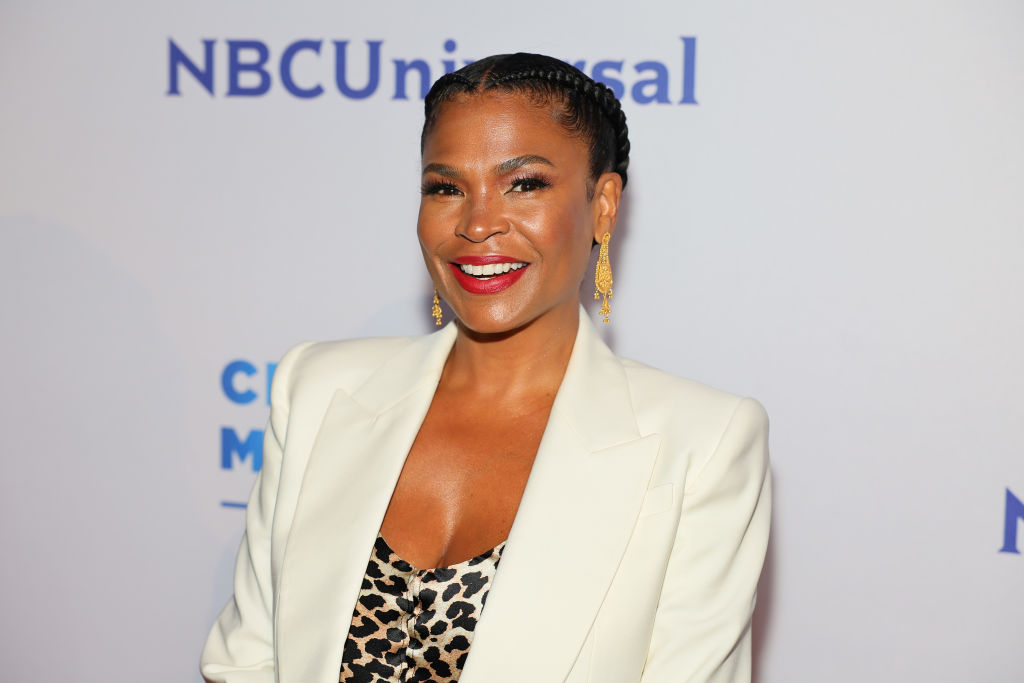
Success rarely happens overnight. Behind many thriving businesses are years of sacrifice, uncertainty, and persistence, often without the recognition or resources needed to scale. Actress Nia Long recently highlighted that reality while supporting small business owners through Intuit’s grant program, which awarded $20,000 checks to three entrepreneurs.
During an interview with Forbes, the 55-year-old Michael actress said founders must embrace the process of building rather than expecting immediate results.
“There has to be a period of planting, a period of harvest, and so those things don’t come overnight,” Long said.
While her message emphasized patience, the entrepreneurs who received the grants pointed to another major challenge facing business owners: access to capital. Anthony Purcell and his mother, Micki Purcell, for instance, have spent nearly a decade building Walking With Anthony, a nonprofit that helps people with spinal cord injuries access rehabilitation services that insurance often does not cover. The organization was created after Anthony suffered a spinal cord injury along with a difficult recovery. His healing journey inspired the nonprofit’s mission to help others facing similar challenges. However, neither Anthony nor his mother has taken a salary from the organization for nearly 10 years. He told Forbes that the $20,000 grant will help provide rehabilitation services for individuals who need immediate support.
“Getting rehab immediately is the difference between a life of isolation or a life of independence,” Micki said.
Stacy Bernstein, the co-founder of the first-aid brand All Better Co., talked about another challenge many entrepreneurs face: building a company without the necessary resources to grow. Her bootstrapped business is now sold in more than 100 retail locations, but Bernstein says securing funding remains difficult. She argues that some investors say they support early-stage businesses but often expect revenue milestones that many startups cannot reach without additional capital. One example is the company’s customer database, which includes more than 100,000 people. Bernstein, however, says maintaining communication with those customers can become costly as the business grows.
“I don’t have a PR team,” she said. “I am the PR team. I am the marketing team. I am the social media team.”
The experiences of these founders highlight what some describe as the “unfunded middle”—the gap between starting a business and receiving the financial support needed to scale. According to the Federal Reserve’s 2025 Small Business Credit Survey, only 42% of small business financing applicants received the full amount they requested. Although capital remains a challenge, entrepreneurship continues to grow among younger generations. Research from Intuit shows many Gen Z and millennial founders are driven by purpose and community impact.
While Long’s message about patience resonates, entrepreneurs say perseverance alone is not enough. Founders need access to funding, networks, and resources before success becomes visible.
RELATED CONTENT: Get Into These Small Business Grants For 2026