Nigeria to deploy five evacuation flights as South Africa tensions trigger repatriation push
For decades, South Africa has been one of the top destinations for Africans seeking economic opportunities beyond their borders.
 Black News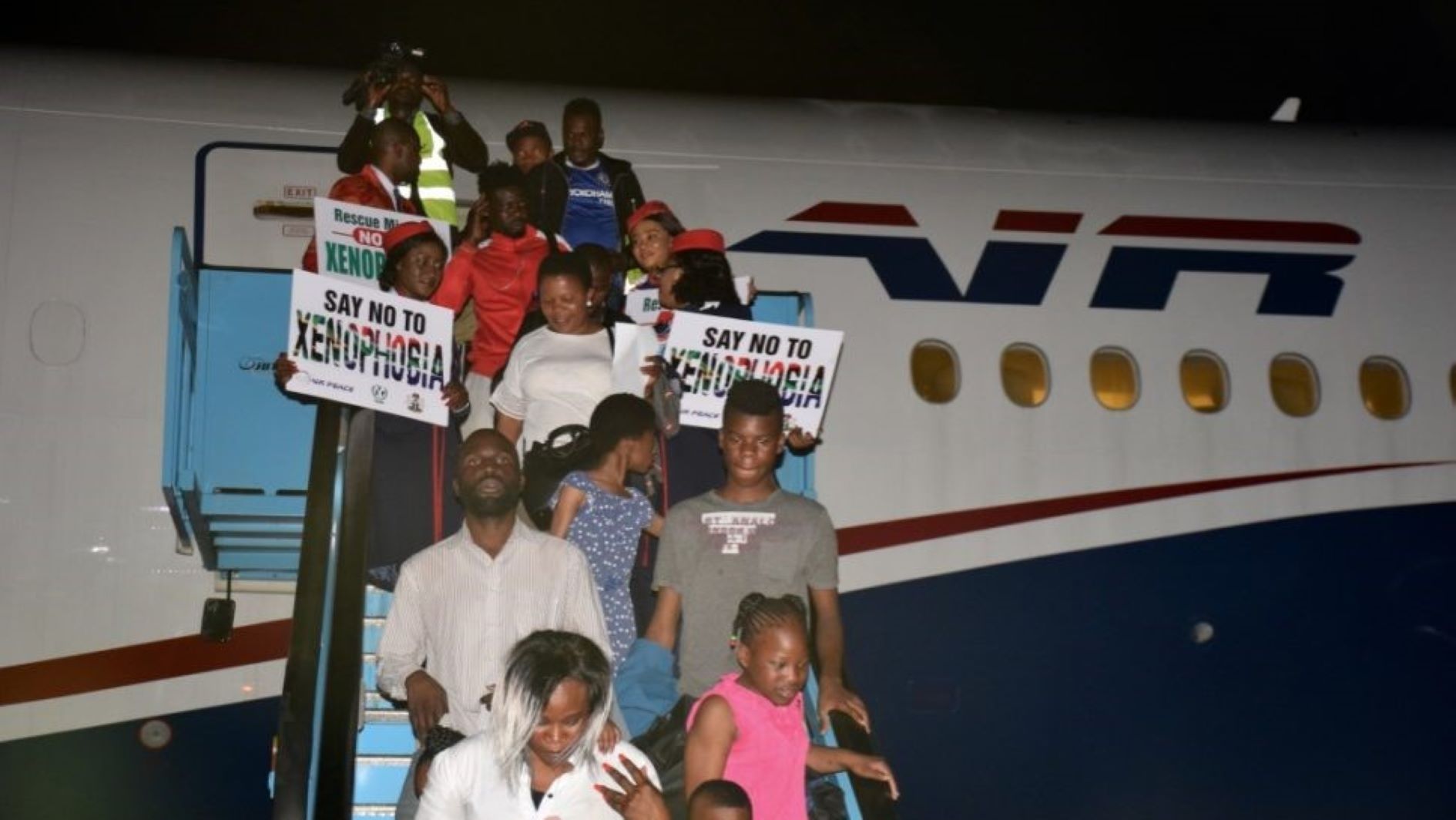

For decades, South Africa has been one of the top destinations for Africans seeking economic opportunities beyond their borders.
- Nigeria is repatriating hundreds of citizens from South Africa after a new surge of anti-immigrant protests and attacks.
- The first evacuation flight will carry about 270 Nigerians, with over 1,000 having registered for voluntary return.
- Mounting anti-immigration sentiment has heightened safety concerns for migrants, many of whom now seek to leave.
- South African President Ramaphosa condemned the xenophobic violence, linking it to economic frustrations like high unemployment.
For decades, South Africa has been one of the top destinations for Africans seeking economic opportunities beyond their borders. But for hundreds of Nigerians living in the country today, the journey is increasingly heading in the opposite direction.
Nigeria will begin repatriating its citizens from South Africa this week following a fresh wave of anti-immigrant protests and attacks that have heightened fears among foreign nationals in Africa's most industrialised economy. The first evacuation flight, operated by Air Peace, is scheduled to depart Johannesburg on Wednesday with about 270 passengers on board. More than 500 Nigerians have already been screened and cleared for evacuation.
The latest operation marks one of the largest voluntary repatriation efforts involving Nigerians in South Africa in recent years. According to Nigeria's Ministry of Foreign Affairs, at least 1,094 Nigerians have registered interest in returning home, a sharp increase from the 130 who initially sought repatriation when anti-immigrant protests first intensified.
The growing exodus reflects mounting concerns over the safety of migrants as anti-immigration sentiment gains momentum across parts of South Africa.
President Cyril Ramaphosa addressed the nation over the weekend, condemning xenophobic violence and promising action against groups behind the attacks. He warned that frustrations over unemployment and poverty were being exploited by vigilante groups and political actors targeting foreign nationals.
Economic frustrations
South Africa's unemployment rate remains above 30%, among the highest in the world, and migrants have increasingly become targets of accusations that they are taking jobs, straining public services, and contributing to crime. Migrant rights groups, however, argue that foreigners are being scapegoated for deeper structural economic problems.
The current tensions have revived memories of South Africa's deadly xenophobic violence in 2008, when around 60 people were killed and tens of thousands displaced in attacks against migrants from across the continent.
Nigeria is not the only country responding to the latest unrest. Ghana has already repatriated 654 of its citizens, while several African governments have issued safety advisories warning nationals living in South Africa to remain vigilant.
In a move aimed at facilitating the departures, South African authorities have agreed to waive penalties for immigration-related offences such as visa overstays. However, individuals facing criminal charges will not qualify for the voluntary return programme.