Nigerian billionaire Femi Otedola-linked lenders lose key battle in Nestoil’s $1.1billion debt dispute
One of Nigeria’s most closely watched corporate battles took a dramatic turn this week after the Supreme Court overturned orders that froze the assets of Nestoil Limited and Neconde Energy, handing a significant victory to oil entrepreneur Ernest Azudialu-Obiejesi in a dispute involving more than $1.1 billion in alleged debt.
 Black News
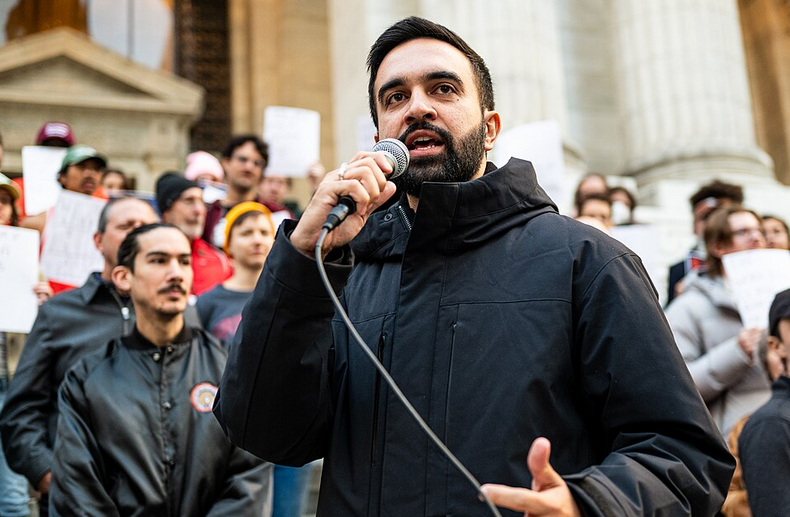
![Nigeria’s Supreme Court overturned orders freezing the assets of Nestoil and Neconde Energy in a closely watched corporate debt battle. [X, formerly Twitter]](https://ocdn.eu/pulscms/MDA_/c3f888038febd0177ae42e34bad297f3.jpg)
One of Nigeria’s most closely watched corporate battles took a dramatic turn this week after the Supreme Court overturned orders that froze the assets of Nestoil Limited and Neconde Energy, handing a significant victory to oil entrepreneur Ernest Azudialu-Obiejesi in a dispute involving more than $1.1 billion in alleged debt.
- Nigeria’s Supreme Court has overturned orders freezing the assets of Nestoil and Neconde Energy in a long-running debt dispute.
- The case pits companies controlled by oil entrepreneur Ernest Azudialu-Obiejesi against lenders led by FBNQuest Merchant Bank and First Trustees.
- The lenders claim more than $1.1 billion in liabilities tied to financing arrangements linked to oil assets.
- The ruling is being closely watched because it could reshape how lenders enforce debt claims against major Nigerian businesses.
The ruling represents the latest chapter in a legal and commercial fight between companies controlled by Azudialu-Obiejesi and a consortium of lenders led by FBNQuest Merchant Bank and First Trustees, institutions within the FirstBank ecosystem whose parent company, Femi Otedola, chairs.
At stake is far more than a debt recovery case.
The dispute touches on control of strategic oil assets, the powers of creditors to enforce security over large businesses, and the future of one of Nigeria’s most prominent indigenous energy groups at a time when local operators are assuming greater control of oil assets previously owned by international majors.
A five-member panel of the apex court ruled that the Court of Appeal exceeded its powers when it granted sweeping ex parte orders against Nestoil and Neconde, effectively restoring control of the companies and their operations while the substantive case continues before the Federal High Court.
The lenders allege that Nestoil, Neconde and related parties owe more than $1.1 billion, alongside substantial naira-denominated obligations, under financing arrangements linked to oil assets and operations.
Those claims remain disputed and have not yet been finally determined by the courts.
Nestoil is widely regarded as one of Nigeria’s largest indigenous oil and gas service companies, while Neconde Energy is a major upstream operator with interests in producing oil assets.
Together, they form part of a group built by Azudialu-Obiejesi into one of the country’s most influential energy businesses.
The Supreme Court’s intervention also comes amid growing scrutiny of how Nigerian lenders use receivership, asset freezes and ex parte orders in large corporate debt recoveries.
In separate rulings earlier this year, the apex court pushed back against attempts to allow a receiver-manager control over the companies’ legal representation, describing such arrangements as potentially creating conflicts of interest.
That broader issue may ultimately prove more consequential than the immediate courtroom victory.
Large banks and financial institutions rely on aggressive enforcement tools to recover troubled loans. Corporate borrowers, meanwhile, argue that such measures can cripple businesses before courts fully determine the merits of a case.
The Supreme Court’s recent decisions suggest the judiciary may be drawing clearer boundaries around how far creditors can go before a dispute is fully heard.
The bigger battle is still ahead
Despite the headlines, neither side has won the underlying dispute.
The Supreme Court ruling does not determine whether the alleged debt is valid, how much is ultimately owed, or who will prevail in the broader fight over the financing arrangements.
Instead, it removes a significant obstacle for Nestoil and Neconde while allowing the substantive proceedings to continue.
For now, the judgment gives Azudialu-Obiejesi breathing room and hands lenders linked to Otedola’s FirstBank network a setback in one of the largest and most politically sensitive corporate debt battles currently before Nigeria’s courts.
But with billions of dollars, strategic oil assets and corporate control still at stake, the real contest is far from over.