One of West Africa’s largest uranium deposits moves closer to restart under revised deal with Canadian miner
Niger is pushing ahead with a revised mining framework for one of West Africa’s largest uranium deposits, as it enters advanced negotiations with a Canadian miner, GoviEx Uranium Inc., over the long-delayed Madaouela project.
 Black News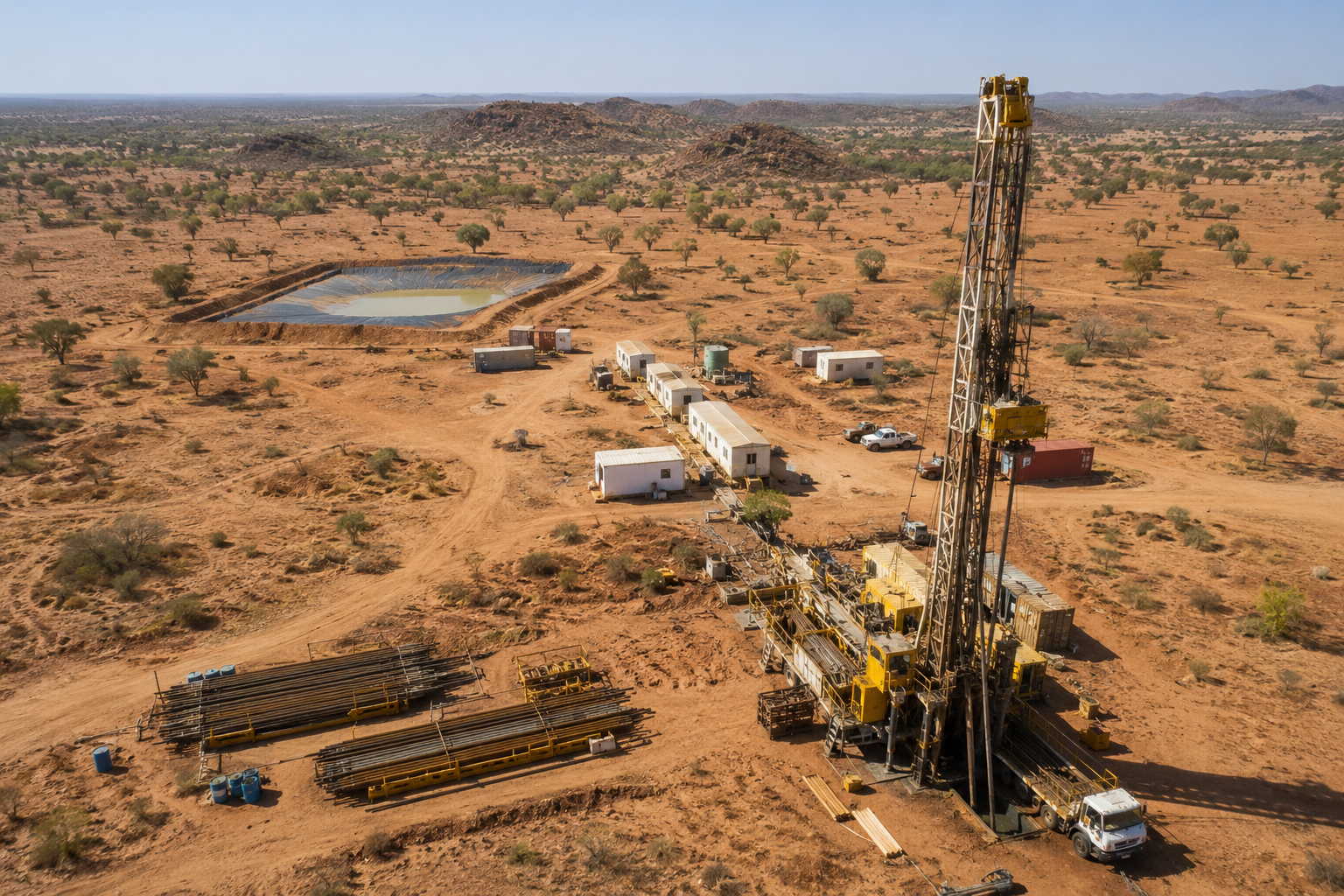

Niger is pushing ahead with a revised mining framework for one of West Africa’s largest uranium deposits, as it enters advanced negotiations with a Canadian miner, GoviEx Uranium Inc., over the long-delayed Madaouela project.
- Niger is advancing talks with GoviEx Uranium Inc. to revise the mining framework for the long-delayed Madaouela uranium project.
- Discussions led by Niger's Minister of Mines aim to renegotiate the project's fiscal, legal, and operational terms for a possible restart.
- The revised framework is part of Niger's push for greater mining sovereignty, seeking more state control, higher royalties, and stricter oversight.
- Madaouela is one of West Africa's largest undeveloped uranium deposits, stalled for years due to regulatory and investment uncertainty.
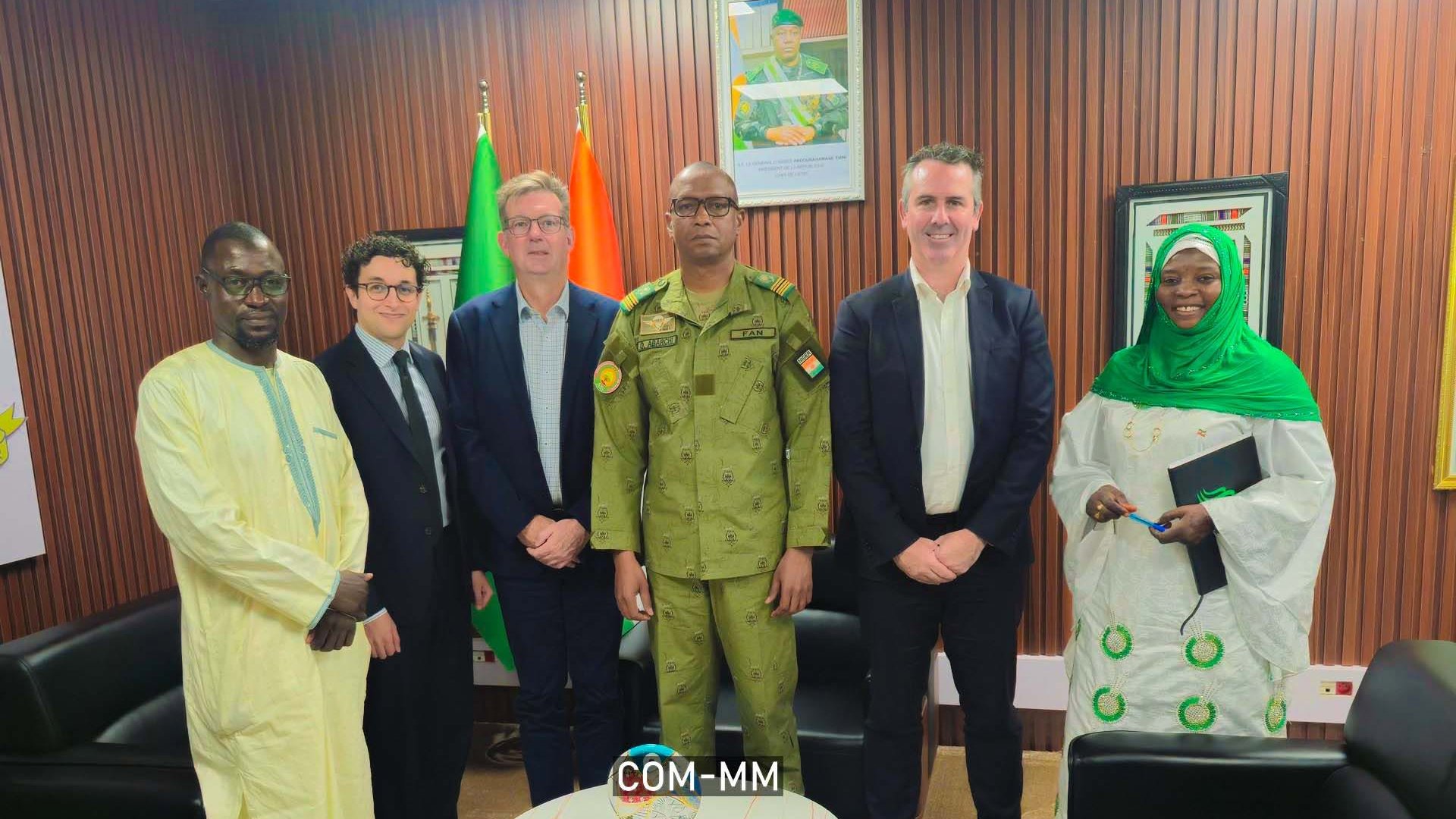
The talks in Niamey were led by the Minister of Mines, Commissioner-Colonel Abarchi Ousmane, who held high-level discussions with a delegation from GoviEx over the structure of a new mining convention governing the project’s potential restart.
The delegation, which spent a week in the Nigerien capital, held technical and legal discussions with officials from the Ministry of Mines on restructuring the agreement governing the long-delayed Madaouela uranium project.
DON'T MISS THIS: Africa’s top uranium producer Niger revokes gold mining concessions for three firms
The talks form part of Niger’s broader mining sovereignty drive aimed at increasing state control and revenue from strategic mineral assets.
Officials said the engagement focused on drafting a revised fiscal, legal and operational framework to guide the project’s potential restart.
Madaouela is regarded as one of the region’s most significant undeveloped uranium deposits, with long-term production potential that has remained untapped due to regulatory and political shifts.
The discussions also reviewed technical and regulatory conditions for reviving the Madaouela uranium project, which is regarded as one of the region’s most significant undeveloped uranium deposits and has remained stalled for years due to shifting policy and investment conditions.
Mining sovereignty push reshapes uranium negotiations
The new mining convention being negotiated is expected to significantly redefine the relationship between Niger and foreign operators in the extractive sector, with authorities pushing for stronger state participation in project economics, higher royalty returns, and tighter oversight of operational decisions.
The government has increasingly prioritised resource nationalism as part of its broader economic strategy, arguing that previous mining agreements did not adequately reflect the value of the country’s uranium endowment.
The Madaouela talks are being viewed as a key test case for this policy shift.
DON'T MISS THIS: Niger revokes 58-year French uranium concession at Arlit in sovereignty push
For GoviEx, the discussions represent a crucial step in unlocking a project that has long been central to its development pipeline. The company has maintained that Madaouela holds strong long-term production potential, but requires a stable, predictable and commercially viable regulatory environment to proceed to development.
Uranium remains a key export for Niger and a strategic component of global nuclear fuel supply chains, positioning the country as an important player in the sector.
Any breakthrough in the talks could therefore have implications not only for Niger’s mining sector, but also for investor confidence in the wider Sahel region.