Over 2 million South African workers may face consequences for joining June 30 anti-immigrant protests
More than two million South African workers have been warned against participating in planned anti-immigrant protests set for June 30, as the country braces for potential unrest amid rising xenophobic tensions.
 Black News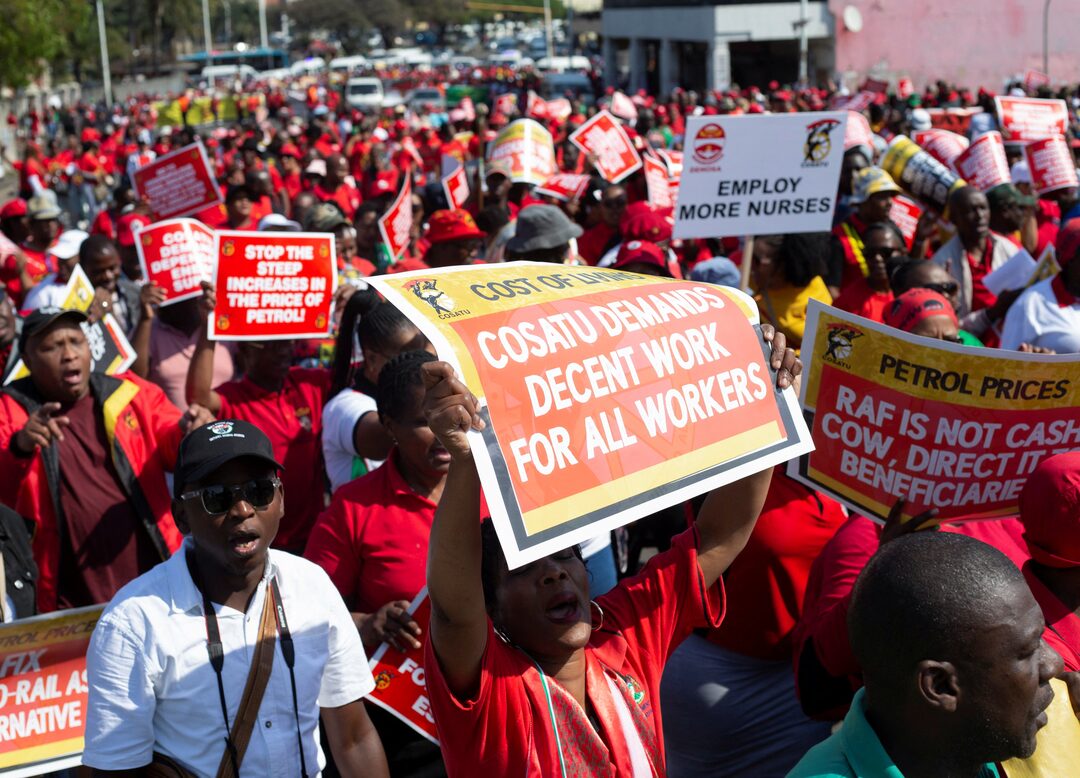

More than two million South African workers have been warned against participating in planned anti-immigrant protests set for June 30, as the country braces for potential unrest amid rising xenophobic tensions.
- Over two million South African workers have been warned by major labor unions not to join planned anti-immigrant protests or risk losing union protection.
- Unions and President Cyril Ramaphosa have condemned scapegoating migrants for the country's socioeconomic struggles.
- Escalating xenophobic tensions and protests have prompted several African governments to assist or repatriate their nationals from South Africa.
- Recent unrest has included violent clashes, particularly in Durban, as migrants seek safe return to their home countries.
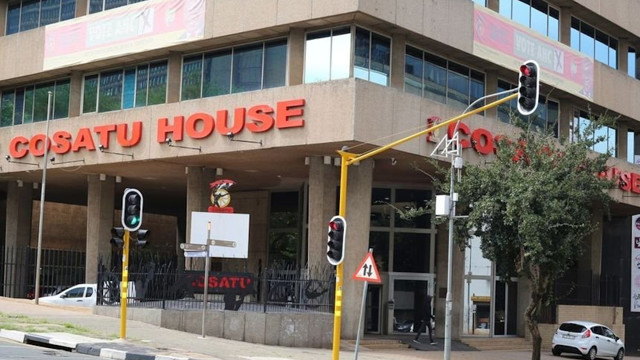
Four of South Africa’s largest labour federations, including the Congress of South African Trade Unions (COSATU), said workers who skip work to join demonstrations may not receive union protection.
Together, the federations represent over two million workers.
“We urge workers to report for duty and not place their employment at risk,” the unions said in a joint statement, according to Reuters.
The warning comes as anti-immigrant groups push for undocumented foreigners to leave the country by June 30, following weeks of protests and sporadic attacks targeting migrants.
DON'T MISS THIS: Ramaphosa disowns vigilante immigration checks as xenophobia fears grow in South Africa
The unions also backed President Cyril Ramaphosa’s appeal against blaming migrants for South Africa’s socioeconomic challenges.
“Removing foreign nationals from workplaces, communities or public spaces will not reopen factories, repair municipalities, strengthen public healthcare or create sustainable jobs,” said the Congress of South African Trade Unions (COSATU), the Federation of Unions of South Africa (FEDUSA), the South African Federation of Trade Unions (SAFTU), and the National Council of Trade Unions (NACTU).
Xenophobic tensions threaten South Africa’s regional standing
South Africa has long been a key destination for migrants across Africa due to its relatively larger economy and job opportunities. However, recurring outbreaks of xenophobic tensions continue to strain relations with several African countries and raise concerns about Pretoria’s regional standing.
DON'T MISS THIS: South Africa’s immigration tensions put MTN, Standard Bank and other African giants at risk
As fresh anti-immigrant protests build ahead of the June 30 deadline, several African governments have moved to assist or repatriate their citizens from South Africa.
Malawi said this week that about 10,000 of its nationals were in distress and seeking to return home, with the government organizing buses and appealing for public donations to support the process.
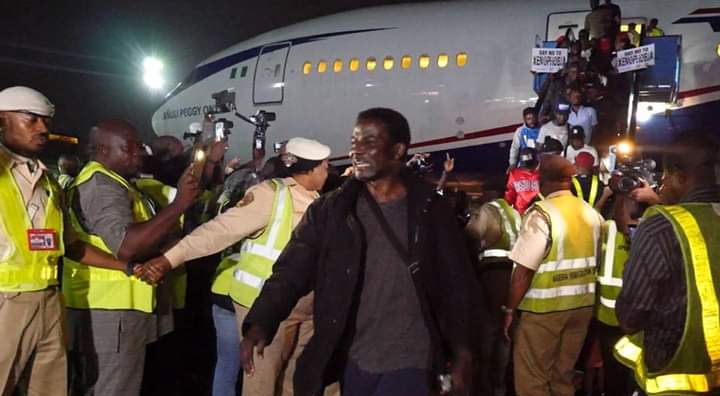
Other countries, including Nigeria, Ghana, and Zimbabwe, have also in recent periods facilitated voluntary return arrangements or consular support for citizens affected by rising xenophobic incidents and public insecurity concerns in South Africa.
The recurring nature of these tensions has increasingly raised questions about South Africa’s image as a continental leader.
Analysts warn that repeated episodes of anti-immigrant violence risk weakening diplomatic trust and undermining Pretoria’s influence at a time when African integration under frameworks such as the African Continental Free Trade Area (AfCFTA) depends on freer movement and stronger regional cooperation.
DON'T MISS THIS: South Africa challenges WHO's account of migrant killings amid rising anti-immigrant tensions.
South African President Cyril Ramaphosa has also issued statements aimed at calming rising tensions, urging restraint and warning against the scapegoating of foreign nationals ahead of planned anti-immigrant protests and recent unrest.
At the same time, the country's Foreign Ministry has urged media organizations to ensure accurate and responsible reporting amid heightened sensitivities surrounding migration and xenophobic violence.
However, questions remain about the effectiveness of the government's response, as vigilante groups continue to carry out unauthorized identity checks, intimidate migrants, and patrol communities despite repeated assurances from President Cyril Ramaphosa's administration that immigration enforcement is the sole responsibility of the state.