Sahel bloc politics deepen as Niger sets tough conditions for Benin border reopening
Niger has set out strict conditions for reopening its long-closed border with Benin, signalling that any return to normal cross-border movement will depend on deeper defence coordination and intelligence sharing between the two neighbours.
 Black News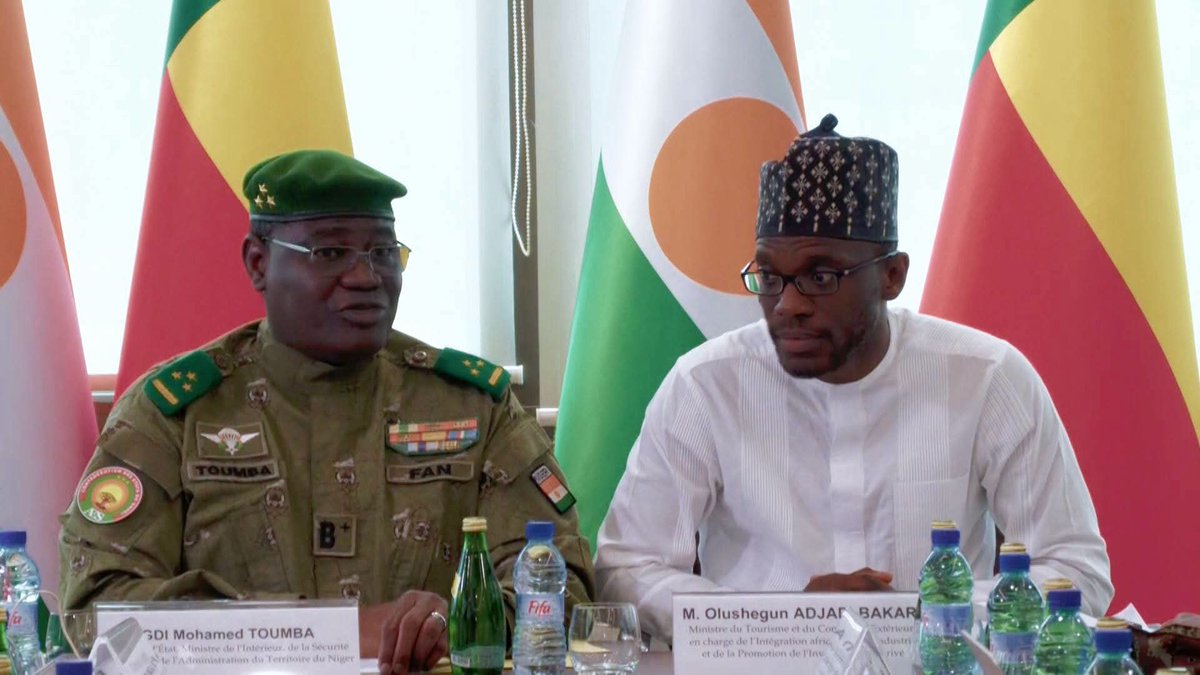

Niger has set out strict conditions for reopening its long-closed border with Benin, signalling that any return to normal cross-border movement will depend on deeper defence coordination and intelligence sharing between the two neighbours.
- Niger has set strict conditions for reopening its border with Benin, closed since the July 2023 military takeover.
- Reopening the border now centers on defense coordination and intelligence sharing rather than just trade issues.
- Niger demands a binding defense agreement ensuring neither side's territory is used against the other, as well as full transparency about military assets near the border.
- A permanent bilateral intelligence-sharing mechanism is required to combat cross-border security threats effectively.
The border has remained closed for nearly three years, following the July 2023 military takeover in Niamey, after which Niger accused Benin of seeking to destabilise it with alleged French backing.
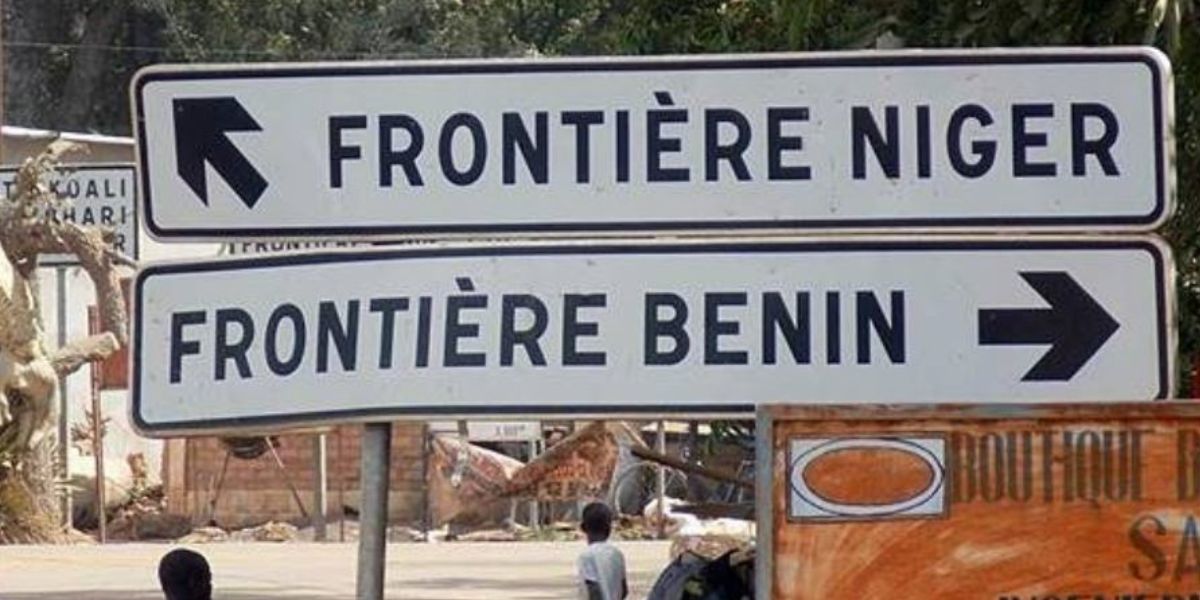
The border, closed on the Niger side is now at the centre of renewed diplomatic engagement.
Momentum toward reopening began after Benin’s president visited Niamey earlier this month, prompting both governments to initiate talks aimed at restoring trade flows and regional connectivity. A Nigerien delegation has since travelled to Cotonou for follow-up discussions.
DON'T MISS THIS: Niger Junta to negotiate reopening borders and repair relations with Benin
However, negotiations have quickly shifted from trade and logistics to core security guarantees, with Niger insisting that any reopening must be anchored in binding defence arrangements.
Niger’s Minister of Security, General Mohamad Toumba, outlined two firm preconditions during the talks, describing them as essential and non-negotiable.
“Two absolute prerequisites must be met here and now,” Toumba said.
The first is the signing of a defence and security agreement establishing the “inviolable principle” that neither territory will be used against the other, alongside full transparency regarding any foreign military assets operating near their shared border.
The second is the creation of a permanent bilateral intelligence-sharing mechanism to coordinate responses to cross-border security threats.
Intelligence-sharing at the centre of Niger’s demands
Toumba stressed that cooperation is necessary in a region where armed groups operate across porous borders, arguing that unilateral security responses are no longer effective.
“We cease fighting alone against an enemy that knows no borders,” he said, adding that Niger’s position is “firm and absolute” because it concerns the survival of both states and the safety of their populations.
General Toumba also demanded “total transparency on foreign devices stationed near the border” between the two countries along the Niger River, according to remarks broadcast on Nigerien state TV, Télé Sahel.
DON'T MISS THIS: Togo gets roped into Niger and Benin's dispute
Niger has in recent years repeatedly accused Benin of hosting French military bases near the border, allegations both Cotonou and Paris have denied.
The conditions reflect Niger’s broader post-coup security doctrine, which prioritises sovereignty, tighter control over foreign military presence, and regionally driven security coordination.
While talks remain ongoing, the outcome will determine not only the reopening of a key trade corridor between Niger and Benin, but also the future tone of relations in a Sahel region undergoing rapid geopolitical realignment.