Saudi Arabia forms Red Sea security bloc with five African countries amid rising maritime tensions
Saudi Arabia has unveiled plans for a multinational maritime defence coalition spanning the Red Sea and Gulf of Aden, bringing together eight coastal states including five African nations in a move that highlights the region's growing strategic importance as geopolitical tensions and shipping disruptions intensify.
 Black News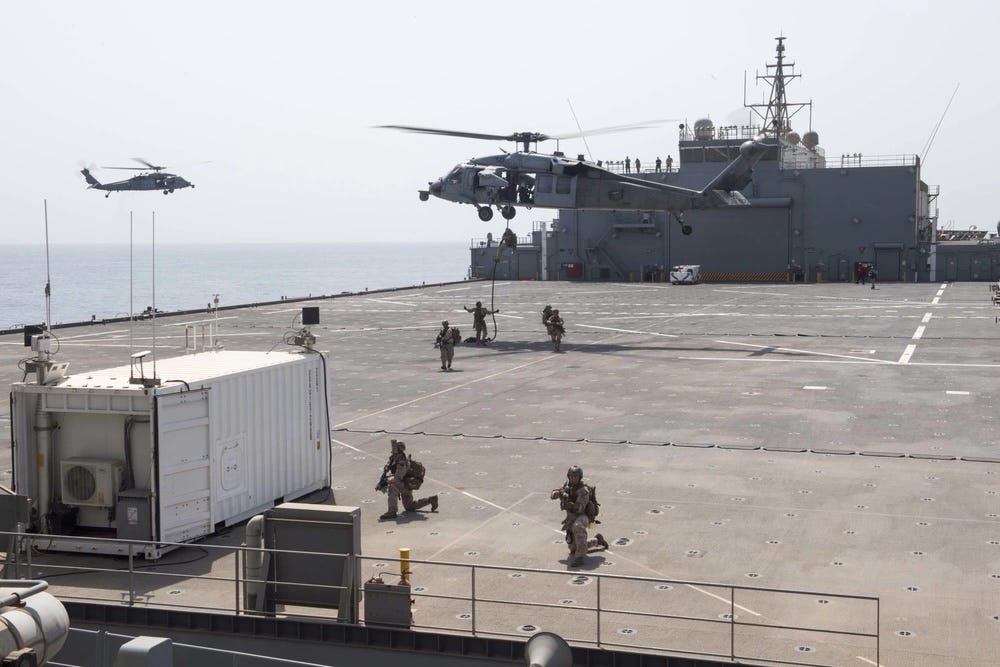

Saudi Arabia has unveiled plans for a multinational maritime defence coalition spanning the Red Sea and Gulf of Aden, bringing together eight coastal states including five African nations in a move that highlights the region's growing strategic importance as geopolitical tensions and shipping disruptions intensify.
- Saudi Arabia announced a new multinational maritime defence coalition for the Red Sea and Gulf of Aden.
- The coalition aims to protect vital international maritime corridors that account for around 12% of global trade.
- Participating countries are Saudi Arabia, Jordan, Yemen, Egypt, Sudan, Djibouti, Eritrea, and Somalia.
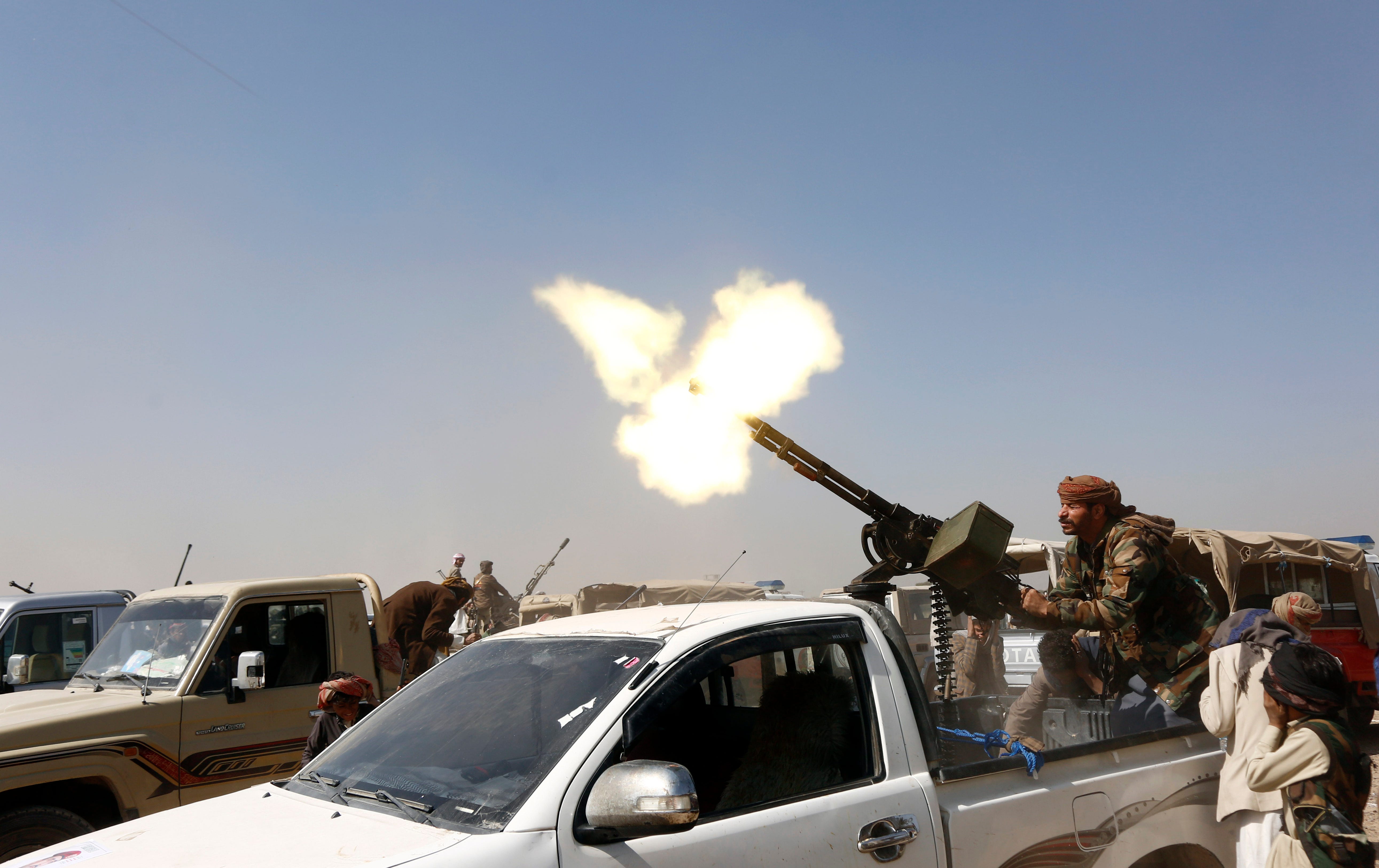
- The alliance comes amid increasing maritime security threats and shipping disruptions linked to wider regional conflicts and attacks on commercial vessels.
The initiative, announced by the Saudi Ministry of Defence, aims to strengthen coordination among Red Sea littoral states to safeguard one of the world's busiest maritime corridors, which carries an estimated 12% of global trade and serves as a critical route for oil, liquefied natural gas (LNG), and container shipments between Europe, Asia and Africa.
The coalition comprises Saudi Arabia, Jordan, Yemen, alongside the African states of Egypt, Sudan, Djibouti, Eritrea and Somalia.
In a statement, Saudi Arabia's Defence Ministry said the proposed coalition is intended to "protect international maritime corridors, ensure the security of commercial and energy routes, and strengthen collective maritime defence cooperation" across the Red Sea, Bab el-Mandeb Strait and Gulf of Aden
DON'T MISS THIS: Fresh Red Sea attacks threaten Egypt’s Suez Canal recovery as oil tanker traffic slumps
The announcement comes as security concerns in the Red Sea continue to mount following months of attacks on commercial vessels linked to the broader conflict involving the United States, Iran, Israel and Tehran-backed armed groups.
The instability has forced many global shipping companies to reroute vessels around the Cape of Good Hope, increasing transport costs and delaying cargo destined for African and European markets.
Why the new alliance matters for Africa
For Africa, the new coalition represents more than a military partnership. Four of the participating countries—Egypt, Djibouti, Eritrea and Somalia—sit along some of the continent's most strategically important maritime chokepoints, while Sudan's long Red Sea coastline provides another critical link between North and East Africa.
The Bab el-Mandeb Strait, located between Djibouti, Eritrea and Yemen, is one of the world's most important shipping bottlenecks, connecting the Red Sea to the Gulf of Aden and the Indian Ocean. Any disruption along this corridor has immediate consequences for African imports, exports, energy supplies and food security.
DON'T MISS THIS: After the Strait of Hormuz, Trump shifts attention to Africa's vital maritime chokepoint carrying 12% of global trade
Egypt, through the Suez Canal, remains central to global maritime trade. The waterway is one of the country's largest sources of foreign currency earnings, and prolonged disruptions have already reduced canal revenues as shipping companies diverted vessels away from the Red Sea due to security concerns.
The formation of the coalition also reflects Saudi Arabia's expanding role as a regional security actor.
Beyond safeguarding shipping lanes, Riyadh has invested heavily in Red Sea infrastructure, ports and logistics while strengthening defence cooperation with neighbouring African states.
For countries such as Djibouti and Somalia, enhanced maritime coordination could improve efforts to combat piracy, arms trafficking, illegal fishing and human smuggling—persistent challenges that have undermined security and economic development across the Horn of Africa.