South Africa inflation rises as global oil shock lifts prices across Africa
South Africa’s inflation edged higher in March, in an early sign that price pressures may be returning, even before the full impact of rising global oil prices reaches the economy.
 Black News


South Africa’s inflation edged higher in March, in an early sign that price pressures may be returning, even before the full impact of rising global oil prices reaches the economy.
- South Africa’s inflation rose in March, signalling a potential turning point.
- The increase comes before the full impact of rising global oil prices is felt.
- Nigeria and other major African economies are also seeing inflation edge higher.
- Central banks may delay rate cuts as energy-driven price pressures build.
Consumer prices rose 3.1% year-on-year, up from 3.0% in February, according to Statistics South Africa. On a monthly basis, inflation increased 0.6%, with gains across transport, housing, food, and services.
The move is small, but the timing is not.
It comes as global energy markets are being disrupted by escalating tensions involving the United States, Israel, and Iran, a shock that has already pushed oil prices higher and raised the risk of imported inflation across emerging markets.
For South Africa, the main pressure is still ahead.
Fuel price increases have yet to fully reflect in consumer data, but early indicators point to sharper rises in the coming months.
Data from the Central Energy Fund suggests another increase is likely, which could lift transport and food costs more broadly.
That leaves the South African Reserve Bank navigating a narrowing path.
The central bank, now aiming to anchor inflation closer to 3% is expected to look beyond current data and focus on whether the shock proves temporary or persistent, particularly through its impact on oil prices and the rand.
“We have got to be vigilant, but complacency will be our biggest enemy,” Governor Lesetja Kganyago said, warning that inflation shocks can become entrenched if not contained early.
Markets currently expect rates to hold, but the risk of further tightening is rising if price pressures accelerate.
![Traders in a Lagos market adjust prices as fuel costs push up food inflation.[Twitter:@Mr_JAGs]](https://ocdn.eu/pulscms/MDA_/b14e0c55ca1520f558215de1f3c76b55.jpeg)
Across Africa, inflation pressures are building again
South Africa’s shift shows a broader trend.
Across several of Africa’s largest economies, inflation has started to edge higher again after months of decline, with the same external trigger.
Nigeria, the continent’s third biggest economy, recorded an increase to 15.38% in March from 15.06%, driven largely by higher food and transport costs. The uptick ended a prolonged stretch of easing inflation.
Egypt and Kenya are also seeing renewed pressure as higher fuel costs begin to pass through to consumers.
Egypt’s inflation jumped to 15.2%, its highest since May 2025, after the government raised fuel prices by up to 17% in early March.
Kenya’s central bank is already forecasting inflation to hit 5.7% in April as war-era fuel pricing filters through.
At the centre of the shift is a disruption to global oil supply.
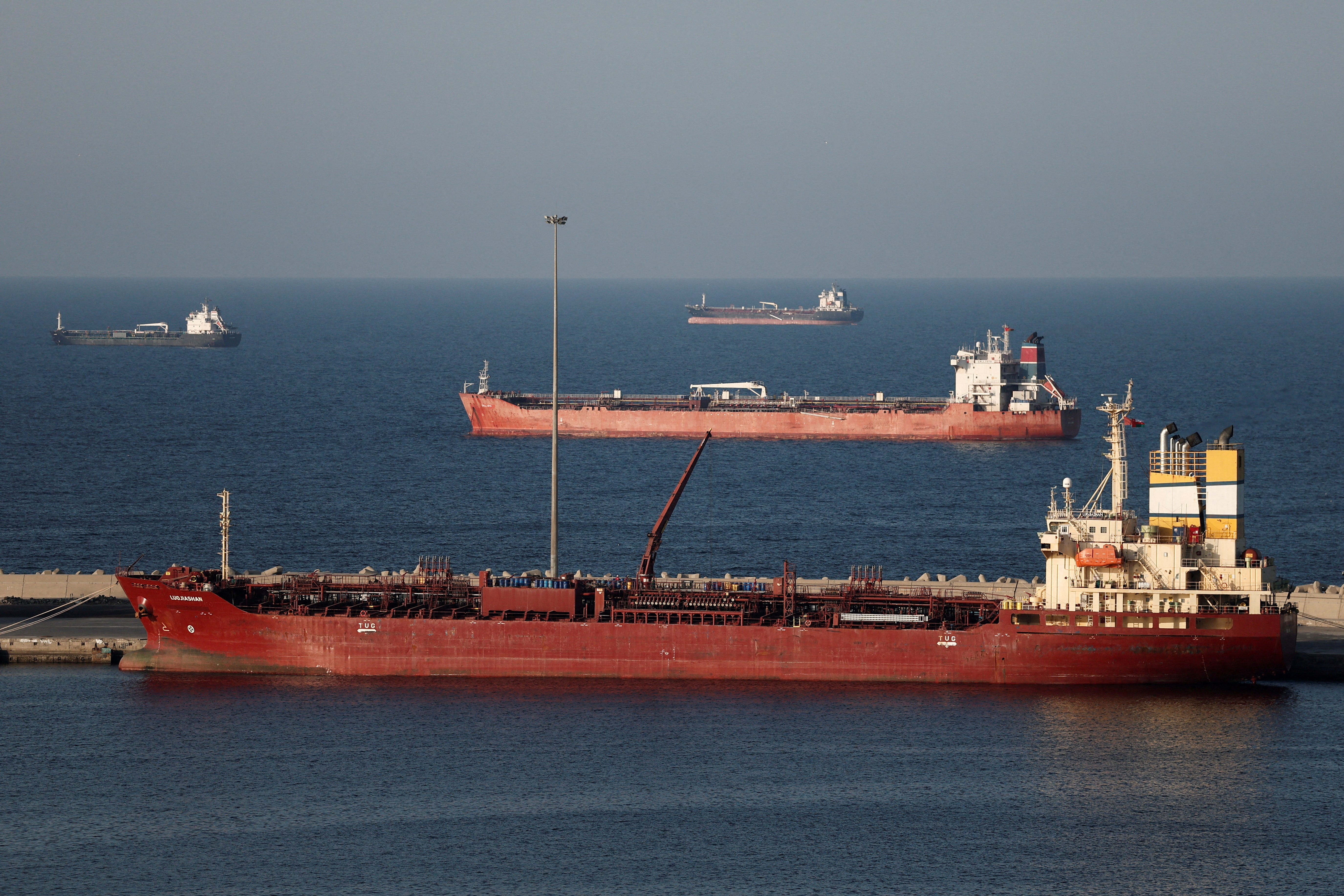
The closure of the Strait of Hormuz, a key route for roughly a quarter of the world’s seaborne oil, has driven up energy prices, while also raising the cost of fertilizers and food.
For African economies, the transmission is rapid.
Most rely heavily on imported refined fuel, meaning higher oil prices quickly translate into rising transport costs, more expensive goods, and increased pressure on household budgets.
The impact, however, is uneven.
Oil exporters such as Nigeria and Angola may benefit from stronger crude prices at the fiscal level, but households still face rising living costs. For fuel-importing economies, the shock is more direct, with limited buffers to absorb it.
Rate cuts are no longer guaranteed
The shift in inflation dynamics is already complicating the outlook for monetary policy.
Before the latest oil shock, several African central banks were expected to begin cutting interest rates as inflation slowed. That path is now less certain.
If energy prices remain elevated, policymakers may be forced to hold rates higher for longer, or even tighten further, increasing the risk of slower growth.
In South Africa, the next few months of data will be critical.
March’s uptick may prove to be the first signal that inflation has bottomed out, or the beginning of a broader reversal.