Standing in the Gap: Why Black Business Month Matters in Birmingham and Beyond
Opinion By Robert Dickerson | Special to The Times Every August, America observes National Black Business Month — a time to celebrate Black-owned businesses, recognize successful entrepreneurs, and encourage consumers to support businesses that have historically faced barriers to growth. But for me, Black Business Month is a reminder that Black business ownership was never […]
 Black News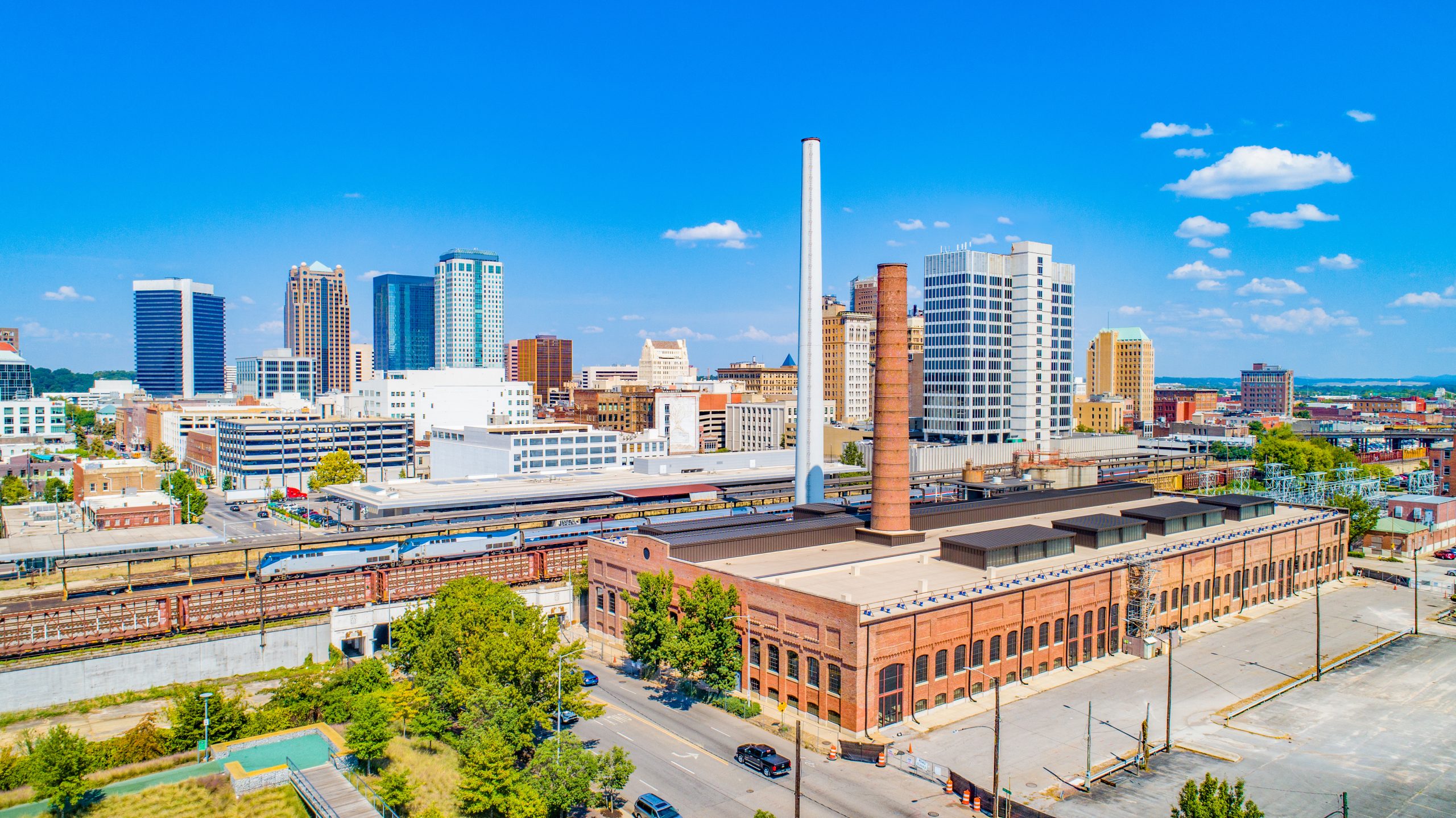


Opinion
By Robert Dickerson | Special to The Times
Every August, America observes National Black Business Month — a time to celebrate Black-owned businesses, recognize successful entrepreneurs, and encourage consumers to support businesses that have historically faced barriers to growth.
But for me, Black Business Month is a reminder that Black business ownership was never just about opening doors for individual entrepreneurs. It was about creating independence, dignity, employment, ownership, and wealth in communities that had too often been denied fair access to all those things. It was about people building something of their own when the larger economy did not always make room for them.
Birmingham’s Other History
When people think about Birmingham, Alabama, they often think first about the Civil Rights Movement. They remember the Children’s Crusade, police dogs, fire hoses, and the bombing of the Sixteenth Street Baptist Church. Those events forever changed our nation, and they remain central to Birmingham’s identity. But there is another Birmingham story that deserves equal attention. It is the story of enterprise; the story of men and women who believed that business ownership could transform not only individual lives but entire communities.
That story matters because economic history and civil rights history have always been connected. The right to sit at a lunch counter mattered. The right to vote mattered. The right to attend the school of your choice mattered. But so did the right to own property, start a business, borrow money, insure a building, hire employees, serve customers, and pass something of value to the next generation. Freedom without economic footing is always incomplete.
Along Fourth Avenue North, Black-owned businesses created one of the South’s most remarkable commercial districts. Banks financed opportunity, insurance companies accumulated wealth, physicians established practices, lawyers represented clients, retailers served neighborhoods, restaurants became gathering places, and hotels welcomed travelers who had nowhere else to stay because segregation denied them accommodations elsewhere.
Those business owners were not simply trying to make a living. They were creating institutions. They were proving that Black people could own, manage, lead, finance, serve, employ, and build at the highest level, even when the rules were not written in their favor. They created examples for children who needed to see ownership with their own eyes. They created places where Black families could be treated with respect. They created a local economy within a larger economy that too often shut them out.
That is one reason I believe Black Business Month should always be grounded in local memory. National observances are important, but they become more powerful when we can point to real streets, real buildings, real owners and real families. In Birmingham, we do not have to imagine what Black entrepreneurship looked like. We can remember it. We can walk the blocks where it happened. We can name people who built businesses not because conditions were easy, but because necessity, imagination and determination required them to build anyway.
Why We Started BBRC
Thirty years ago, we created the Birmingham Business Resource Center to serve anyone who needed help building a business, but we also understood who was most likely to fall through the cracks. Black entrepreneurs, women entrepreneurs, veterans, neighborhood businesses, and people without inherited wealth often needed a different kind of support. They needed somebody who could help them understand financing, prepare for lenders, navigate contracts, strengthen operations, and build confidence without lowering standards.
One of the things I have learned over these thirty years is that communities cannot wait for permission to build what they need. If a gap exists, somebody has to stand in it. If entrepreneurs are not ready for bank financing, somebody has to help them get ready. If capable firms are not connected to procurement opportunities, somebody has to help make those connections. If young people do not see ownership around them, somebody has to show them what ownership looks like.
That kind of work requires patience because the gap is rarely closed in one meeting. Sometimes it takes months of preparation before a business owner can return to a lender with a stronger package. Sometimes it takes more than technical assistance; it takes rebuilding confidence. A person who has been turned away repeatedly may begin to believe the system is right about them. Part of standing in the gap is helping them separate a temporary weakness in the business from a permanent judgment about their ability.
More Than Business
When a business succeeds, the benefit moves outward. A business owner can hire someone, buy from another local company, occupy a vacant building, support a church or nonprofit, sponsor a youth team, pay taxes, mentor a younger entrepreneur, and become an example in the community. One business may not transform a city by itself, but many strong businesses can transform neighborhoods.
That is why Black business development cannot be treated as a seasonal theme or a ceremonial slogan. It has to be built into how a city thinks about growth. If we want stronger neighborhoods, we must ask who owns the businesses in those neighborhoods. If we want wealth to stay in Birmingham, we must ask who is positioned to receive contracts, access capital, buy property, hire locally, and build institutions that can last. Celebration is good, but strategy is better.
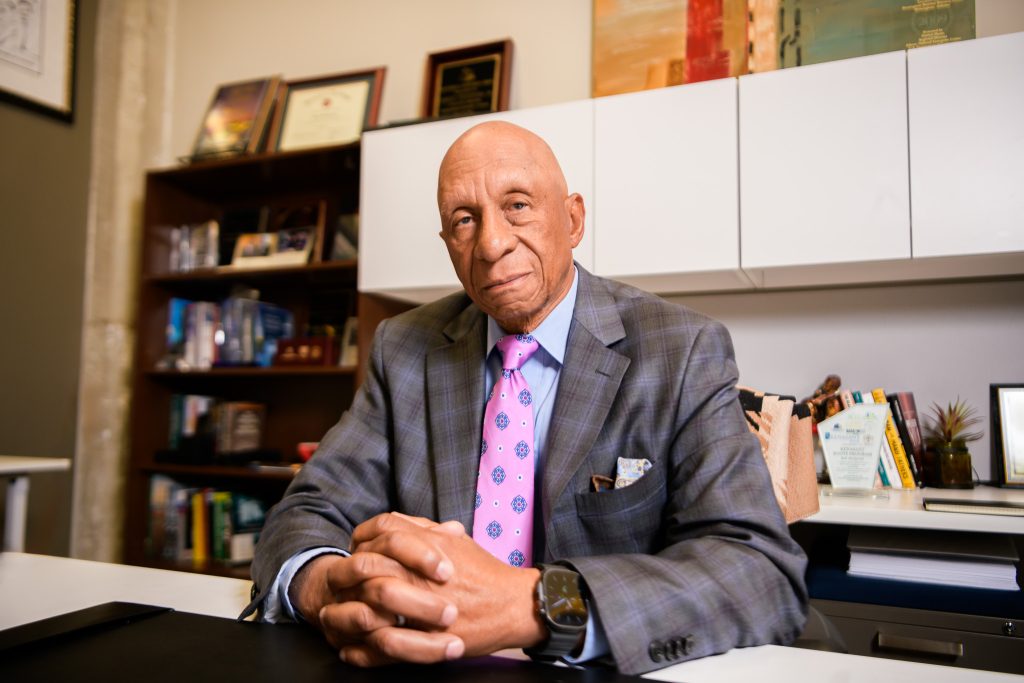
Bob Dickerson is the executive director of the Birmingham Business Resource Center, which he founded in 1996 after realizing there was no program in Birmingham that combined loan programs with capacity building and advocacy – three things every business needs to succeed.