Starlink: South Africa can make better choices
South Africa’s Starlink battle is intensifying as government pushes to relax BEE ownership rules. Critics warn Elon Musk’s satellite network poses serious sovereignty, privacy and national-security risks for Mzansi.
 Black News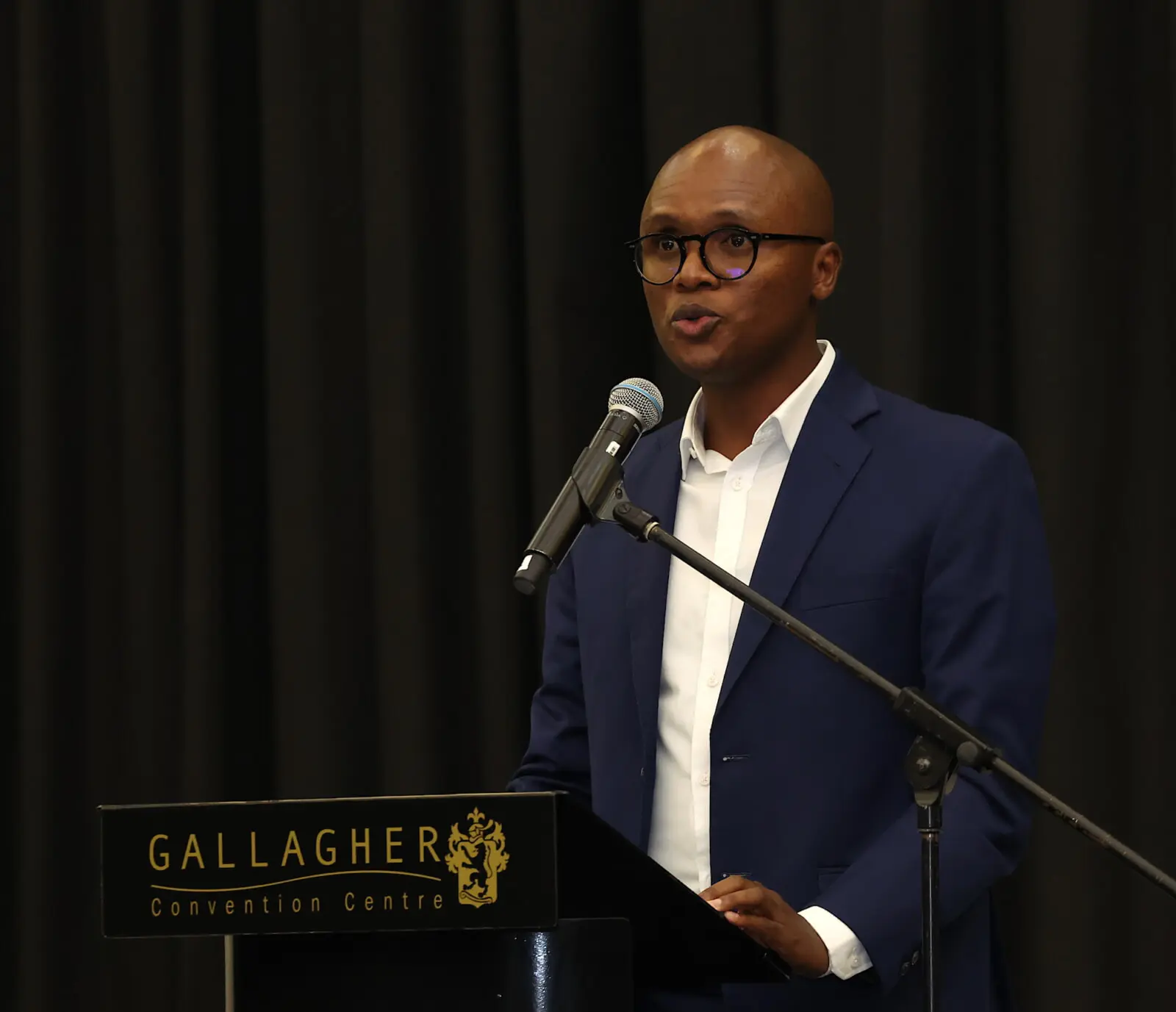
South Africa’s Starlink drama is heating up.
Communications Minister Solly Malatsi wants to change the black economic empowerment (BEE) rules to allow Starlink to launch in the country, whether the Independent Communications Authority of South Africa (Icasa) likes it or not. On Tuesday, Malatsi said his department was instead looking at equity equivalent investment programmes (EEIPs).
Quick explainer: EEIPs are basically an alternative to Mzansi’s normal BEE ownership rules for multinational companies.
If a telecoms company wants to operate in South Africa, it must be at least 30% owned by historically disadvantaged groups. But EEIPs allow those companies to contribute in other ways. These include investing in local suppliers; enterprise and skills development; job creation; infrastructure support; research and innovation; digital-inclusion initiatives; and funding for SMMEs. In line with this, Starlink has proposed connecting 5,000 rural schools with free internet.
@explain.co.za Starlink wants into SA. BEE rules are in the way. And Elon Musk is making it personal
♬ original sound – /explain/ – /explain/But is this really about internet access — or something bigger? The Wrap x @mailandguardianbreaks it down! Check out The Wrap
explain.co.za/subscribe #TheWrap #ExplainZA #SouthAfrica #SANews #Starlink #elonmusk #MailAndGuardian #LearnOnTikTok #NewsWrap #TechNews #fyp #ForYouPage
Malatsi argues that EEIPs could attract more investment from telecoms companies, especially those offering low-Earth-orbit satellite internet services like Starlink. That’s a key issue: Starlink has never wanted to sell local-ownership shares; instead, it wants to invest.
But Icasa is not having it. The regulator pushed back hard on Wednesday, saying it won’t change telecoms-ownership regulations unless the law is amended first.
That’s where things could get messy. Any legislative amendment would require strong political support in Parliament, which is unlikely to be received.
One thing working in Malatsi’s favour is that President Cyril Ramaphosa appears open to the proposal. But even with his support, changing the law could take years.
Tech-bro-in-chief Starlink’s Elon Musk has repeatedly criticised South Africa’s race-based ownership laws, claiming they prevent the company from operating in his birth country because he is “not black”.
Ramaphosa has pushed back on the claim, saying it is simply not true.
But the real issue is the Elon factor. As editor Nic Dawes put it on X: “Starlink comes with massive risks to sovereignty and data security, putting critical infrastructure in the hands of an erratic, wildly ideological individual who has demonstrated his willingness to wield his control of the system for political ends.”
The risks Dawes noted are hair-raising: a Haaretz investigation revealed on Tuesday that two Israeli-owned companies are selling systems capable of locating and identifying Starlink users. The software has been tracking close to one million terminals, with about 200,000 users reportedly de-anonymised through advertising identifiers, raising serious privacy concerns.
On top of this, Musk shut down coverage in parts of Ukraine during a 2022 counteroffensive against Russian forces, leading to a communications blackout that disrupted battlefield operations.
Would it be wise for Mzansi to allow this capricious individual into our telecoms industry? As Dawes said, “SA can make better choices.”
This article and video were published in partnership with explain.co.za, accessible news for busy people.