The Cost of Parliamentary Paralysis
The national assembly on Wednesday erupted into an all too familiar spectacle. After the tea break, the chamber descended into a cacophony of noise as opposition parliamentarians challenged speaker Saara Kuugongelwa-Amadhila over her handling of proceedings. The flashpoint: authorising finance minister Ericah Shafudah to present a speech on behalf of prime minister Elijah Ngurare, triggered […] The post The Cost of Parliamentary Paralysis appeared first on The Namibian.
 Black News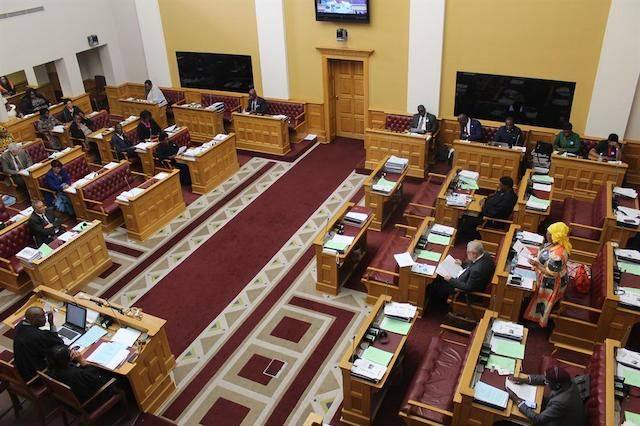
The national assembly on Wednesday erupted into an all too familiar spectacle.
After the tea break, the chamber descended into a cacophony of noise as opposition parliamentarians challenged speaker Saara Kuugongelwa-Amadhila over her handling of proceedings.
The flashpoint: authorising finance minister Ericah Shafudah to present a speech on behalf of prime minister Elijah Ngurare, triggered fierce resistance from Popular Democratic Movement (PDM) president McHenry Venaani, PDM’s Inna Hengari, Affirmative Repositioning leader Job Amupanda, and Independent Patriots for Change’s Rodrick Likando.
As shouting drowned out debate, the Speaker abruptly adjourned the sitting.
This is not an isolated hiccup.
The repeated failure of lawmakers to deliberate on national issues is a failure of political leadership across the board.
The Speaker’s role requires impartiality and adherence to standing rules.
However, the opposition is not blameless.
Transforming the floor into a theatre of reactionary outrage contributes to institutional gridlock.
Effectively, leadership from all parties has left the building, replaced by point-scoring and posturing.
On Wednesday, the casualty of the chaos was the petroleum bill, a critical piece of legislation governing vital national resources.
It has been languishing in the house since last year.
When sessions are repeatedly adjourned because of a lack of fairness on the part of the speaker and a refusal to follow rules, essential debates on economic policy, structural reform and resource management grind to a halt.
While politicians bicker over points of order, it is the average citizen who suffers.
Namibia is battling a severe socio-economic crisis.
The streets are populated by the homeless and landless, citizens locked out of the formal economy and denied basic dignity.
The populace is over-taxed, terrified of rising crime, and hollowed out by mass unemployment and systemic hunger.
Every hour wasted on self-indulgent parliamentary theatrics is an hour stolen from addressing the housing deficit, creating jobs, or securing food relief.
The most galling aspect is the insulation of its authors.
The parliamentarians responsible for this ongoing paralysis face zero consequences for their failure to do their jobs.
Whether the National Assembly sits for 20 minutes or 20 days, MPs are assured of their generous monthly salaries and allowances.
They debate, and stall, in comfort, detached from the desperation of the electorate they claim to represent.
Democracy cannot survive as a symbolic exercise.
If our political leaders do not urgently rediscover a sense of duty, fairness, and institutional respect, the chasm between a privileged, gridlocked legislature and a starving, desperate populace will inevitably shatter the stability of the republic.
The post The Cost of Parliamentary Paralysis appeared first on The Namibian.