This Martinique Distillery Is Hidden In A Rainforest — And It’s One Of The Most Remarkable Rum Experiences In The Region
You don’t come across Rhum J.M. by accident. The drive into northern Martinique pulls you away from the coast and into thicker, greener terrain, where the road climbs toward Mount Pelée and the air cools as the forest closes in. Vegetation rises tightly along both sides, the light filters through layers of canopy, and the sense of distance from the rest […] The post This Martinique Distillery Is Hidden In A Rainforest — And It’s One Of The Most Remarkable Rum Experiences In The Region appeared first on Caribbean Journal.
 Black News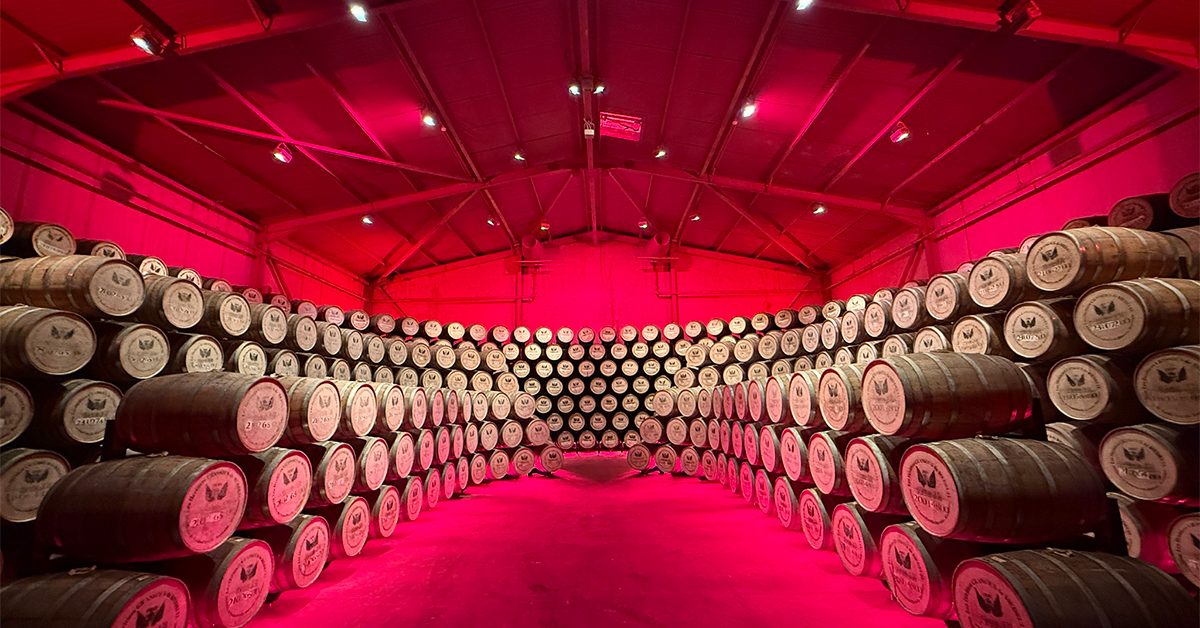
You don’t come across Rhum J.M. by accident.
The drive into northern Martinique pulls you away from the coast and into thicker, greener terrain, where the road climbs toward Mount Pelée and the air cools as the forest closes in. Vegetation rises tightly along both sides, the light filters through layers of canopy, and the sense of distance from the rest of the island becomes clear.
Then the distillery appears.
Not as a polished complex or a standalone attraction, but as a working operation set directly inside the rainforest — low buildings, active equipment, steam rising through the trees. It feels placed exactly where it belongs, fully connected to everything around it.
That’s the first impression of Rhum J.M.: a distillery that exists inside its environment, not apart from it.
Where The Rum Comes From
This part of Martinique defines the rum before production even begins.
The distillery sits at the base of Mount Pelée, drawing water from volcanic springs that run down through the forest. The surrounding land holds sugarcane fields rooted in mineral-rich soil shaped by centuries of volcanic activity.
At Rhum J.M., those conditions are used directly.
The cane is harvested nearby and brought in immediately. The water flows straight from the mountain. Production happens in the same place where the raw materials originate.
There’s no separation between field and distillery. You see the connection at every step.
A Distillery That’s Still Working
Rhum J.M. is not a staged experience.
You walk through active production areas where the equipment is in use — milling, fermentation, distillation — all happening in real time. The sounds carry through the space: machinery turning, liquid moving, heat building around the stills.
The distillery produces rhum agricole, made from fresh sugarcane juice rather than molasses. That difference shows up immediately in the process and later in the glass.
Cane arrives and is pressed on-site. The juice moves directly into fermentation, then into distillation. Each stage happens within a compact footprint, without unnecessary transitions.
Nothing feels removed or presented for effect. It’s simply operating.
The Rainforest Is Part Of It
The setting shapes everything.
The rainforest surrounding Rhum J.M. controls temperature, humidity, and the pace of aging. You hear it constantly — insects, wind through the trees, water moving somewhere beyond the buildings.
Barrels rest in structures that allow air to pass through, exposed to those conditions. The scent of wood and aging rum mixes with the dampness of the forest itself.
There’s no clear separation between production and environment.
You stand inside the distillery and remain fully aware of where you are.
The Estate Around The Distillery
The distillery is part of a larger estate that extends outward into the surrounding land.
Paths lead toward the cane fields, where cultivated rows meet dense vegetation. The proximity stands out — the source material sits just beyond the buildings, within view.
In some areas, the forest reaches right to the edge of the operation.
That’s what defines Rhum J.M.. The entire process — from cane to barrel — happens within one continuous environment. Another? They char their own barrels here.
Tasting What You’ve Just Seen
The tasting follows the same direct approach.
You move through different expressions, starting with younger rhums that carry the raw character of the cane — fresh, vegetal, precise. Then the aged versions, shaped by time in barrel under the same rainforest conditions surrounding the distillery.
The differences are immediate. You don’t need explanation to understand them. You’ve already seen where they come from.
My recent favorites? The Dame Jeanne was a real stand out, along with the Rhum JM Canopée. My longtime favorite rhum blanc from this distillery is the Jardin Macouba, which unfortunately wasn’t around on the last visit.
Why Rhum J.M. Stands Apart
Martinique is known for its AOC-regulated rhum agricole, with strict standards controlling production across the island.
Almost a dozen distilleries operate within that framework.
But Rhum J.M. stands out because of where it is.
Set at the base of Mount Pelée, surrounded by rainforest, supplied by volcanic water, it operates under conditions that are difficult to replicate anywhere else in the Caribbean.
Planning Your Visit
Reaching Rhum J.M. requires time and intention.
The drive into northern Martinique takes you through smaller towns and into increasingly dense forest as you approach the mountain. The roads narrow and curve, reinforcing the sense that you’re heading somewhere specific.
The distillery offers guided tours that walk through production and the estate, followed by tastings.
You should plan for at least half a day. The journey itself is part of the experience, and once you arrive, there’s enough to take in at a slower pace.
Closed-toe shoes are recommended, especially if you plan to explore beyond the main areas.
What Makes It Stay With You
What defines a visit to Rhum J.M. isn’t just the rum.
It’s the alignment between place and process.
You stand inside a working distillery in the middle of the rainforest, watch the production from start to finish, and then taste the result of it — all within the same environment.
There’s no distance between those steps.
That’s what makes it one of the most remarkable distillery experiences in the Caribbean.
The post This Martinique Distillery Is Hidden In A Rainforest — And It’s One Of The Most Remarkable Rum Experiences In The Region appeared first on Caribbean Journal.