Trump pushes Europe to tighten travel restrictions from Ebola-hit African nations as World Cup travel concerns grow
The Trump administration is pressing European governments to impose tougher travel restrictions on people arriving from Ebola-affected African countries, arguing that stronger measures are needed to prevent the virus from spreading internationally as millions of visitors travel for the 2026 FIFA World Cup.
 Black News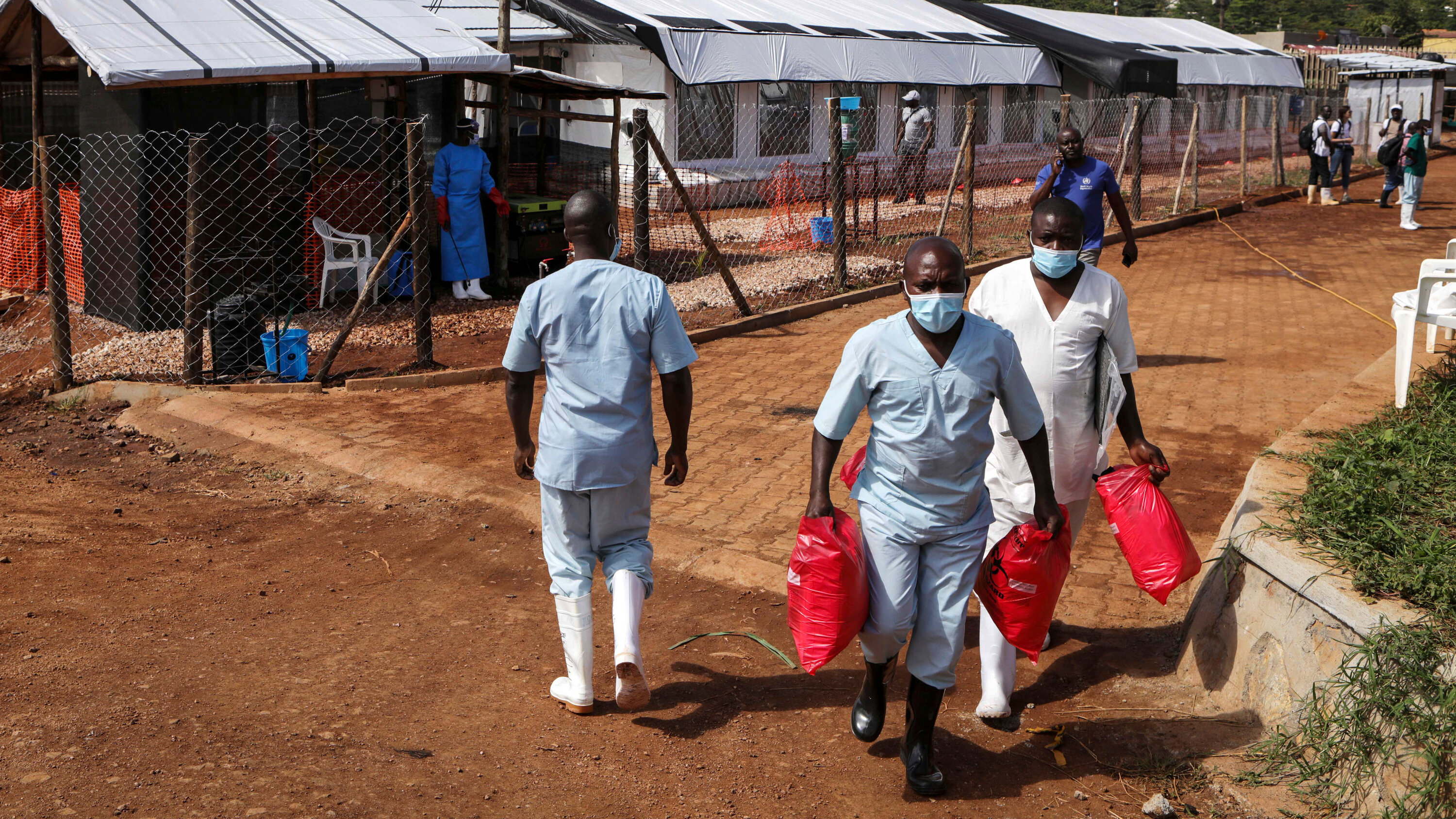

The Trump administration is pressing European governments to impose tougher travel restrictions on people arriving from Ebola-affected African countries, arguing that stronger measures are needed to prevent the virus from spreading internationally as millions of visitors travel for the 2026 FIFA World Cup.
- The Trump administration is urging European countries to tighten travel restrictions on people arriving from Ebola-affected African nations.
- Washington says stronger measures are needed to prevent the virus from spreading internationally as millions of visitors travel for the 2026 FIFA World Cup.
- Secretary of State Marco Rubio discussed the issue with European Commission President Ursula von der Leyen this week.
- The outbreak in the Democratic Republic of Congo and Uganda is increasingly shaping international travel policy and diplomatic discussions beyond Africa.
The diplomatic push marks an escalation in Washington’s response to an Ebola outbreak centred in the Democratic Republic of Congo (DRC) and Uganda, two countries battling the spread of the Bundibugyo strain of the virus.
U.S. Secretary of State Marco Rubio raised the issue during a call with European Commission President Ursula von der Leyen on Tuesday, as Washington sought closer coordination with European allies on containing the outbreak.
According to the U.S. State Department, Rubio and von der Leyen discussed efforts to prevent the spread of Ebola and strengthen cooperation between the United States and Europe.
“The Department’s highest priority and focus remain protecting the health of the American people and preventing this Ebola outbreak from reaching our shores,” State Department spokesperson Tommy Pigott said in a readout of the call.
DON'T MISS THIS: Canada joins U.S. in imposing Ebola-linked travel restrictions on three African countries ahead of World Cup 2026
Washington turns up pressure
The administration’s concerns extend beyond public health.
U.S. officials fear that differences in travel screening and entry requirements between Europe and North America could create vulnerabilities as international travel surges during the World Cup, which is being hosted across the United States, Canada and Mexico.
According to Reuters, Washington formally urged European governments on June 1 to adopt travel restrictions linked to the outbreak.
A European Union diplomat based in Africa and another source familiar with the matter told Reuters that EU member states had not responded to the request.
A State Department official told Reuters that the United States had already “stepped up” its response through financial support and travel controls and now expected other countries to take similar action.
“Other countries must do their part to ensure this outbreak does not spread further. Action is required now. That includes financial contributions and implementing commonsense restrictions on travel from the affected area,” the official said.
The official added that Washington was engaging governments around the world to coordinate measures aimed at protecting citizens and the millions of athletes, fans and tourists expected to travel during the tournament.
The administration has already barred non-citizens who have been in the Democratic Republic of Congo, Uganda or South Sudan within the previous 21 days from entering the United States.
Returning American citizens are being directed through designated airports for additional health screening.
Africa’s outbreak draws global attention
The outbreak has become one of the most closely watched public health emergencies in Africa this year, drawing increased attention from governments and health agencies concerned about cross-border transmission.
The Democratic Republic of Congo and Uganda have extensive movement of people across their shared border, a factor that has complicated containment efforts and heightened international concern about the potential spread of the disease.
The Bundibugyo strain involved in the outbreak has historically recorded lower fatality rates than the Zaire strain responsible for several previous Ebola epidemics, although health experts warn that outbreaks can spread rapidly when surveillance and response systems are overwhelmed.
The DRC has experienced more Ebola outbreaks than any other country since the virus was first identified near the Ebola River in 1976, making it a critical frontline in global efforts to contain the disease.
Uganda has also faced multiple Ebola outbreaks over the past two decades and is regarded as one of Africa’s most experienced countries in outbreak response, supported by regional surveillance networks and international health partners.
Funding gaps and aid concerns
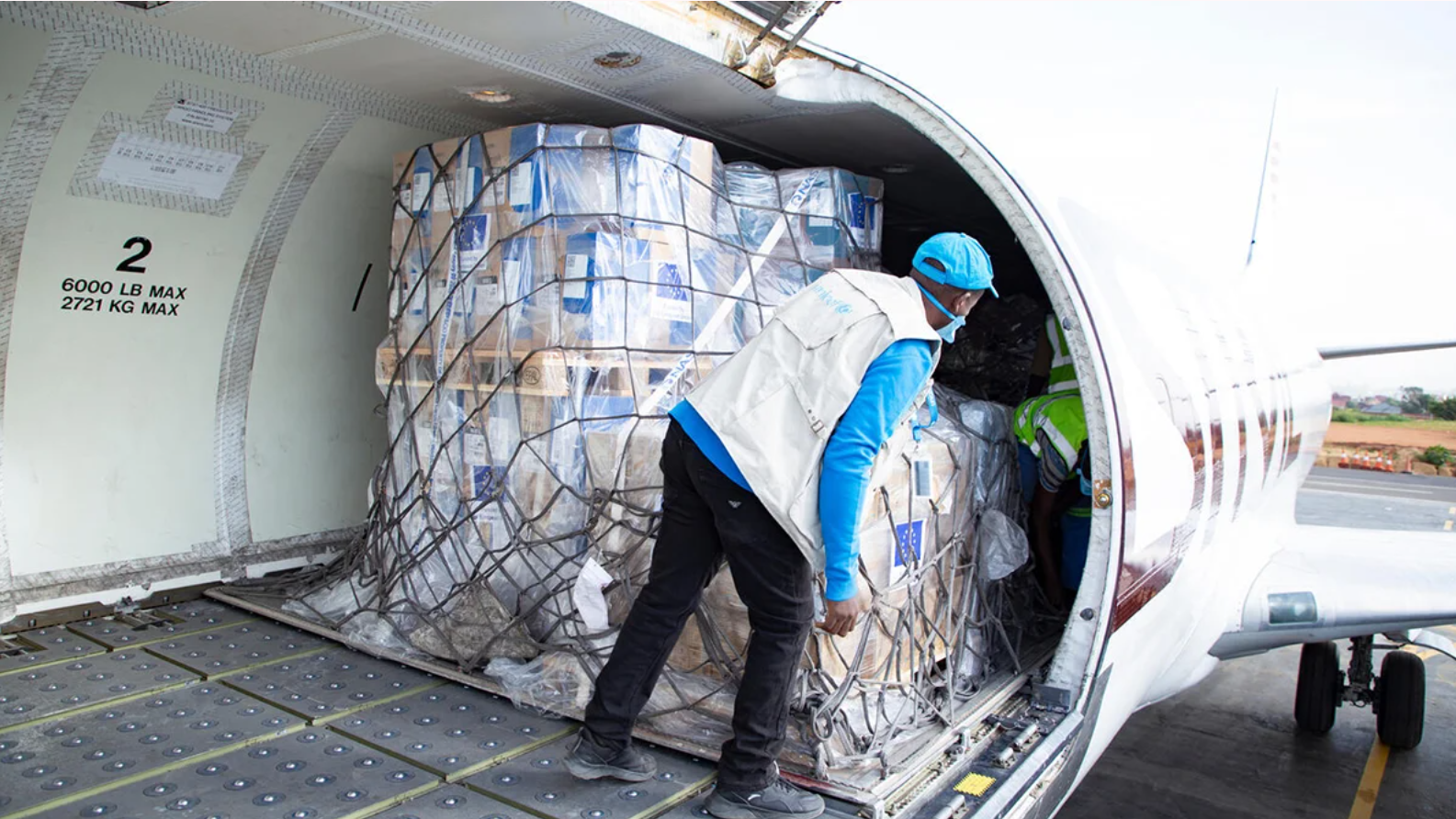
The Trump administration says it has committed more than $200 million toward the Ebola response and delivered roughly 150 tons of medical supplies to affected countries, making Washington the largest single financial contributor to containment efforts.
The European Union on Tuesday announced an additional €16.5 million ($19 million) in Ebola response funding, on top of €15 million ($17.3 million) pledged earlier in the outbreak.
The outbreak has also renewed scrutiny of U.S. foreign assistance programmes after the Trump administration dismantled much of the U.S. Agency for International Development (USAID), historically one of the world’s largest providers of international health assistance.
Democrats and public health experts have argued that cuts to foreign aid programmes may have weakened outbreak preparedness in vulnerable regions.
Rubio has rejected those criticisms, insisting that U.S.-backed disease surveillance and early warning programmes remain active through bilateral health partnerships with African countries.
The latest U.S. push shows how disease outbreaks in Africa increasingly carry global consequences.
What began as a health emergency in Central Africa is now shaping travel policies, diplomatic discussions and security planning around one of the world’s largest sporting events.