Trump’s War On Iran Has Backfired. Here’s How.
By Nate Swanson\Foreign Affairs Photos: Wikimedia Commons Seventeen years ago, while serving as an Iran desk officer in the U.S. State Department, I asked a more veteran colleague about the latest inflammatory statement by Mahmood Ahmadinejad, then the Iranian president. My colleague responded: “Stop paying attention to Ahmadinejad. Only focus on Iranian Supreme Leader Ali Khamenei. He makes the important decisions.” He added: “But don’t worry. Change is coming. Khamenei”—who was then 69 and widely believed to have cancer—“could die at any moment.” Khamenei did not die. Not until two weeks ago, when U.S. President Donald Trump and Israeli Prime Minister Benjamin Netanyahu did what nature had not and ended the supreme leader’s 36-year stewardship of the Islamic Republic. Khamenei left a damning legacy. Since his ascension in 1989, the Iranian rial has lost almost all of its value against the dollar. Although rich in natural resources, Iran consistently experiences electricity and water shortages. Over the past year, food prices surged more than 70 percent. Iran’s economic woes are in large part the consequence of a foreign policy designed to counter U.S. interests. When faced with popular discontent, Khamenei consistently resisted reforms and resorted to violence to repress his people—most notably in January, when his regime murdered thousands of its citizens. But he clearly prepared Iran for this moment. Confronted with a truly existential threat, Iran has mounted a much more deliberate, decentralized, and effective response than many expected, striking not only Israeli territory and U.S. diplomatic and military installations but also civilian targets throughout the Persian Gulf, including airports, hotels, and energy infrastructure. Trump likely wants to declare victory soon. The Iranian military has been severely degraded. Israel may be running low on missile interceptors, and keeping global markets stable will require reopening the Strait of Hormuz, which Iran has declared closed to its enemies. But he cannot force surrender on a government that refuses it. Even after the heavy damage to Iran’s military, the regime that Khamenei put in place has powerful incentives to pursue continued conflict, and it retains a variety of tools to sustain a war of attrition. The war is thus barreling toward an inflection point at which all the potential options are bad. To agree to a cease-fire, Tehran will almost certainly demand assurances that the United States will constrain future Israeli strikes on Iran,Trump retains substantial leverage over Netanyahu because of Israel’s dependence on U.S. military assistance, but it is still a huge ask. Very soon, the U.S. president will face a choice between doubling down on an unpopular war or, to end it, wresting a concession from Israel that Iran could frame as a triumph. UNINTENDED CONSEQUENCES Despite the tactical brilliance of its joint offensive with Israel, strategic success remains elusive for the United States. Trump went to war against a country of 92 million people with no clear plan for what would happen after the guns fell silent. He initially declared that victory would be achieved if the Iranian people rose up and dismantled the Islamic Republic themselves—an extraordinary and unrealistic request. The regime’s horrific crackdown in January produced no meaningful defections from the regime or security services, and government leaders have already shown they are willing to kill as many of their own people as needed to stay in power. In 2023, while serving as Iran director at the National Security Council, I attended a diplomatic meeting with an Iranian official in the aftermath of a major protest. Surprisingly, the official acknowledged strong opposition to the Islamic Republic. Yet he cautioned that the United States failed to understand that an equal number of Iranians were prepared to die for the regime and pointed out that most Iranians just wanted a better day-to-day life. Although he didn’t break it down into numbers, I began thinking of this as the 20-20-60 ratio. Twenty percent of Iranians are dedicated to the downfall of the Islamic Republic, 20 to its preservation, and the remainder to a better life. I long assumed that after Khamenei died, the Iranians who wanted a better life would join forces with those strongly opposed to the Islamic Republic and force the country’s leaders down a different path than the one the supreme leader had charted. But the bitter irony is that the U.S. and Israeli approach to the recent war afforded Khamenei a martyr’s death—a gift to the regime, as it diverted attention away from the Islamic Republic’s failures. It elevated Khamenei’s hard-line son and turned much of the nation’s focus toward surviving an external assault. All these outcomes only marginalize the silent majority of Iranians who just want a measure of well-being. Moving forward, Iran does not need to score major military suc
 Black News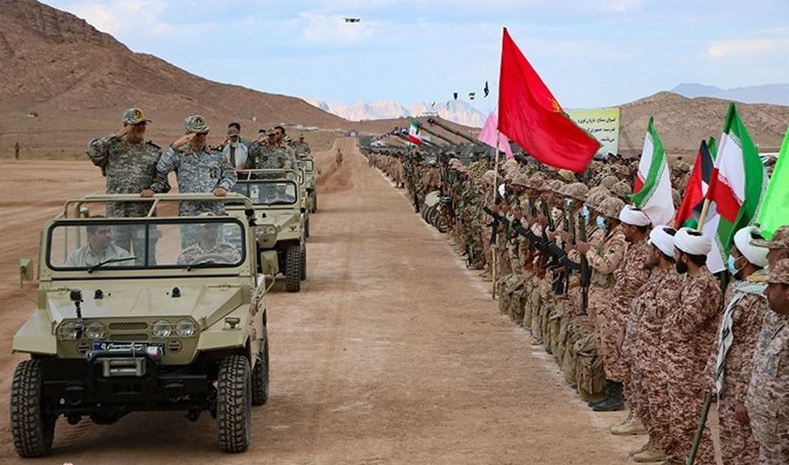
By Nate Swanson\Foreign Affairs
Photos: Wikimedia Commons
Seventeen years ago, while serving as an Iran desk officer in the U.S. State Department, I asked a more veteran colleague about the latest inflammatory statement by Mahmood Ahmadinejad, then the Iranian president. My colleague responded: “Stop paying attention to Ahmadinejad. Only focus on Iranian Supreme Leader Ali Khamenei. He makes the important decisions.” He added: “But don’t worry. Change is coming. Khamenei”—who was then 69 and widely believed to have cancer—“could die at any moment.”

Khamenei did not die. Not until two weeks ago, when U.S. President Donald Trump and Israeli Prime Minister Benjamin Netanyahu did what nature had not and ended the supreme leader’s 36-year stewardship of the Islamic Republic. Khamenei left a damning legacy. Since his ascension in 1989, the Iranian rial has lost almost all of its value against the dollar. Although rich in natural resources, Iran consistently experiences electricity and water shortages. Over the past year, food prices surged more than 70 percent.
Iran’s economic woes are in large part the consequence of a foreign policy designed to counter U.S. interests. When faced with popular discontent, Khamenei consistently resisted reforms and resorted to violence to repress his people—most notably in January, when his regime murdered thousands of its citizens. But he clearly prepared Iran for this moment. Confronted with a truly existential threat, Iran has mounted a much more deliberate, decentralized, and effective response than many expected, striking not only Israeli territory and U.S. diplomatic and military installations but also civilian targets throughout the Persian Gulf, including airports, hotels, and energy infrastructure.
Trump likely wants to declare victory soon. The Iranian military has been severely degraded. Israel may be running low on missile interceptors, and keeping global markets stable will require reopening the Strait of Hormuz, which Iran has declared closed to its enemies. But he cannot force surrender on a government that refuses it. Even after the heavy damage to Iran’s military, the regime that Khamenei put in place has powerful incentives to pursue continued conflict, and it retains a variety of tools to sustain a war of attrition.
The war is thus barreling toward an inflection point at which all the potential options are bad. To agree to a cease-fire, Tehran will almost certainly demand assurances that the United States will constrain future Israeli strikes on Iran,Trump retains substantial leverage over Netanyahu because of Israel’s dependence on U.S. military assistance, but it is still a huge ask. Very soon, the U.S. president will face a choice between doubling down on an unpopular war or, to end it, wresting a concession from Israel that Iran could frame as a triumph.
UNINTENDED CONSEQUENCES
Despite the tactical brilliance of its joint offensive with Israel, strategic success remains elusive for the United States. Trump went to war against a country of 92 million people with no clear plan for what would happen after the guns fell silent. He initially declared that victory would be achieved if the Iranian people rose up and dismantled the Islamic Republic themselves—an extraordinary and unrealistic request. The regime’s horrific crackdown in January produced no meaningful defections from the regime or security services, and government leaders have already shown they are willing to kill as many of their own people as needed to stay in power.
In 2023, while serving as Iran director at the National Security Council, I attended a diplomatic meeting with an Iranian official in the aftermath of a major protest. Surprisingly, the official acknowledged strong opposition to the Islamic Republic. Yet he cautioned that the United States failed to understand that an equal number of Iranians were prepared to die for the regime and pointed out that most Iranians just wanted a better day-to-day life. Although he didn’t break it down into numbers, I began thinking of this as the 20-20-60 ratio. Twenty percent of Iranians are dedicated to the downfall of the Islamic Republic, 20 to its preservation, and the remainder to a better life.
I long assumed that after Khamenei died, the Iranians who wanted a better life would join forces with those strongly opposed to the Islamic Republic and force the country’s leaders down a different path than the one the supreme leader had charted. But the bitter irony is that the U.S. and Israeli approach to the recent war afforded Khamenei a martyr’s death—a gift to the regime, as it diverted attention away from the Islamic Republic’s failures. It elevated Khamenei’s hard-line son and turned much of the nation’s focus toward surviving an external assault. All these outcomes only marginalize the silent majority of Iranians who just want a measure of well-being.
Moving forward, Iran does not need to score major military successes every day. The regime only needs to inflict enough periodic damage to keep regional partners, markets, and the American public jittery. Despite catastrophic damage to the Iranian navy and other branches of the military, periodic drone attacks on tankers attempting to traverse the Strait of Hormuz are probably enough to keep traffic snarled in a shipping channel responsible for a fifth of global oil supply.
There are, of course, huge risks to this strategy. It could unite the Gulf countries against Tehran and invite further escalation. Iran must also hold some offensive capabilities in reserve. This may be why it has not asked for more of the Houthis in Yemen, undertaken broad cyberattacks, or mounted acts of terrorism on U.S. interests outside the Middle East. But Khamenei obviously gambled that even if he died, his regime could handle more losses than the United States or the Gulf states could. READ MORE…