Uganda: About 90 Percentage Of Ugandans Informally Employed
By Tom Oniro Elenyu Photos: Tom Oniro Elenyu|YouTube Screenshots In 2014, the Uganda Bureau of Statistics (UBoS) reported that over 50% of Uganda’s GDP is directly linked to the informal sector which employed over 80% of the labour workforce in the country. A 2014 International Labour Organisation (ILO) stated that women-owned businesses had outpaced male-owned businesses by 1.5 times (236% compared to 153 %.). According to the ILO report, although women owned 44% of the businesses, they are mainly engaged in self-employment (86.2% of working women). Akina Mama wa Afrika, however, says most of the informal businesses owned by women entrepreneurs in Uganda are neither registered, regulated, insured nor do they have an address or business plan. “Most of these businesses operate with no definite source of funding, booking keeping or accounts. They run on money borrowed from relatives, friends. “In addition,” claims the feminist organisation, “the women who run these businesses survive on hand-to-mouth because these businesses generate daily incomes.” And now in the just-released Labour Market Survey, UBoS reports that Uganda’s labour market remains largely informal, with nearly nine in 10 workers operating outside the formal economy. The UBoS findings indicate that 89.2% of Ugandans are employed in the informal sector countrywide; meaning small, unregistered businesses and self-employment dominate the economy. According to UBoS, informal employment stands tall at 7.35 million people which drunkenly staggers in comparison to 2.37 million Ugandans employed in the formal sector. At 87.6%, informal employment—excluding rudimentary agriculture in rural Uganda—still beats absorption into structured jobs. Once agriculture is factored in, informal sector employment in Uganda hits 90%. Non-Government Organisations sector—now being suspended by government—employed over 700,000 people as compared to the civil service of about 480,000 government workers. The unemployment rate in Uganda, according to UBoS findings, is roughly 12.2%, with urban areas somewhat higher than rural settings. UBoS reports that women still continue to hit brick-walls in accessing jobs, whose unemployment staggers at 13.9%, as compared with 10.8% for men. Pressure-cooker demand for jobs among young Ugandans of 15-24 years of age is highest; where unemployment has risen to 17.9%. It shows more young people are entering the workforce market. The Makerere University-affiliated development policy and research organisation—the Economic Policy Research Centre (EPRC)—findings show that informality is driven by perceptions of formalisation costs, regulatory enforcement gaps in land and labour, unfavourable business environment and perceived benefits from staying informal. Informality, according to EPRC, is linked to the inability of the formal sector to generate sufficient jobs to absorb excess workers. EPRC says this is further compounded by lack of information and awareness about the importance of business registration and the high compliance costs associated with business registration and obtaining licenses which discourage informal firms from formalizing. It says a recent survey shows about 56 per cent of informal businesses in Uganda are unaware of the significance of registering their businesses and where to get information on registration. UBoS says the country’s working-age population stands at 26.4 million. The May 2024 National Population and Housing Census conducted and released by the same Bureau showed that Uganda’s population stands at 45.9 million people; although the World Bank disputed this figure claiming Uganda’s uncontrolled population should have grown to over 50 million people. A drop in the ocean number of these Ugandans are employed in formal jobs. This raises the bitter reality of Ugandans failing to get more stable and productive employment. Addressing informality, according to EPRC, requires a progressive, incentive-based approach that involves more awareness campaigns informing businesses about costs, processes and benefits of formalisation and increasing budget allocation to pay regulators.
 Black News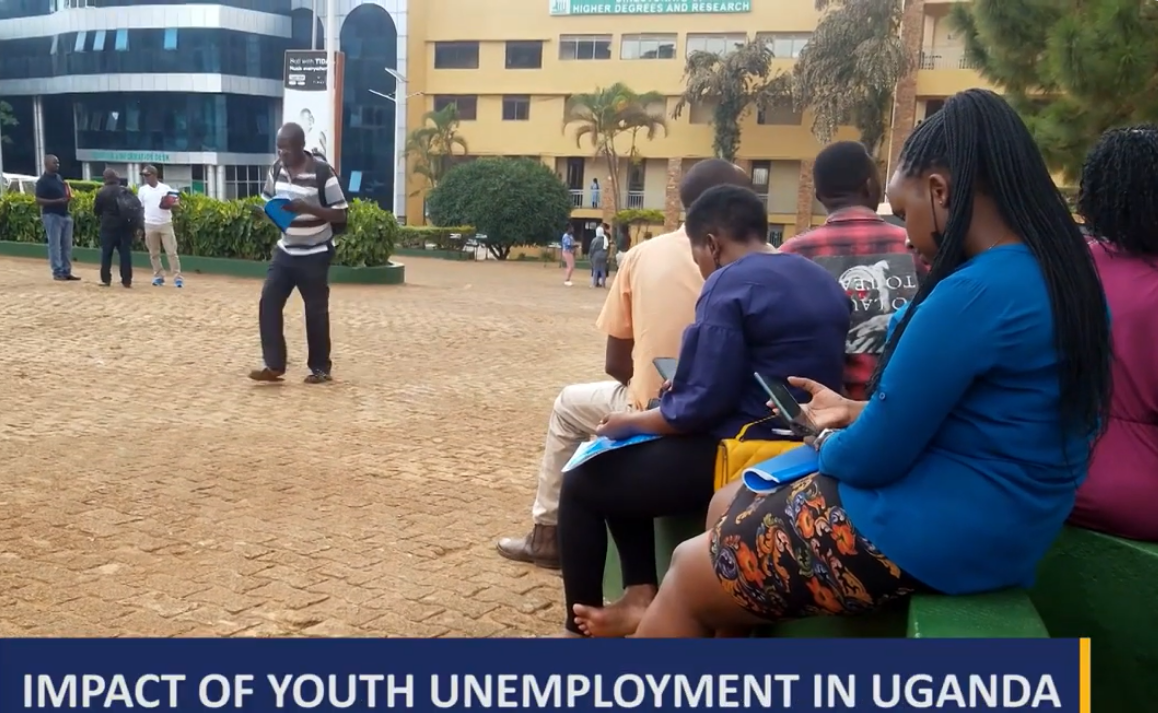


By Tom Oniro Elenyu
Photos: Tom Oniro Elenyu|YouTube Screenshots
In 2014, the Uganda Bureau of Statistics (UBoS) reported that over 50% of Uganda’s GDP is directly linked to the informal sector which employed over 80% of the labour workforce in the country. A 2014 International Labour Organisation (ILO) stated that women-owned businesses had outpaced male-owned businesses by 1.5 times (236% compared to 153 %.). According to the ILO report, although women owned 44% of the businesses, they are mainly engaged in self-employment (86.2% of working women).

Akina Mama wa Afrika, however, says most of the informal businesses owned by women entrepreneurs in Uganda are neither registered, regulated, insured nor do they have an address or business plan. “Most of these businesses operate with no definite source of funding, booking keeping or accounts. They run on money borrowed from relatives, friends.
“In addition,” claims the feminist organisation, “the women who run these businesses survive on hand-to-mouth because these businesses generate daily incomes.”
And now in the just-released Labour Market Survey, UBoS reports that Uganda’s labour market remains largely informal, with nearly nine in 10 workers operating outside the formal economy.
The UBoS findings indicate that 89.2% of Ugandans are employed in the informal sector countrywide; meaning small, unregistered businesses and self-employment dominate the economy.
According to UBoS, informal employment stands tall at 7.35 million people which drunkenly staggers in comparison to 2.37 million Ugandans employed in the formal sector. At 87.6%, informal employment—excluding rudimentary agriculture in rural Uganda—still beats absorption into structured jobs. Once agriculture is factored in, informal sector employment in Uganda hits 90%.
Non-Government Organisations sector—now being suspended by government—employed over 700,000 people as compared to the civil service of about 480,000 government workers.
The unemployment rate in Uganda, according to UBoS findings, is roughly 12.2%, with urban areas somewhat higher than rural settings. UBoS reports that women still continue to hit brick-walls in accessing jobs, whose unemployment staggers at 13.9%, as compared with 10.8% for men.

Pressure-cooker demand for jobs among young Ugandans of 15-24 years of age is highest; where unemployment has risen to 17.9%. It shows more young people are entering the workforce market.
The Makerere University-affiliated development policy and research organisation—the Economic Policy Research Centre (EPRC)—findings show that informality is driven by perceptions of formalisation costs, regulatory enforcement gaps in land and labour, unfavourable business environment and perceived benefits from staying informal.
Informality, according to EPRC, is linked to the inability of the formal sector to generate sufficient jobs to absorb excess workers. EPRC says this is further compounded by lack of information and awareness about the importance of business registration and the high compliance costs associated with business registration and obtaining licenses which discourage informal firms from formalizing. It says a recent survey shows about 56 per cent of informal businesses in Uganda are unaware of the significance of registering their businesses and where to get information on registration.
UBoS says the country’s working-age population stands at 26.4 million. The May 2024 National Population and Housing Census conducted and released by the same Bureau showed that Uganda’s population stands at 45.9 million people; although the World Bank disputed this figure claiming Uganda’s uncontrolled population should have grown to over 50 million people.
A drop in the ocean number of these Ugandans are employed in formal jobs. This raises the bitter reality of Ugandans failing to get more stable and productive employment.
Addressing informality, according to EPRC, requires a progressive, incentive-based approach that involves more awareness campaigns informing businesses about costs, processes and benefits of formalisation and increasing budget allocation to pay regulators.