Uganda launches $1.8 billion water and sanitation plan to tackle climate and health risks
Uganda is launching a massive $1.8 billion push to prevent worsening water shortages, sanitation failures and climate pressure from slowing growth in one of East Africa’s fastest-expanding economies.
 Black News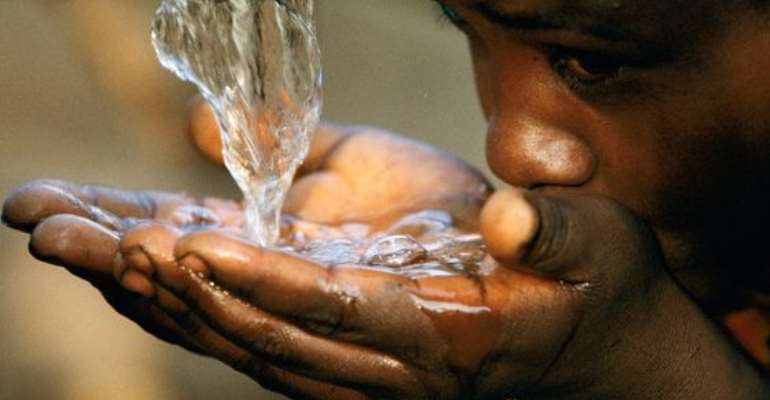

Uganda is launching a massive $1.8 billion push to prevent worsening water shortages, sanitation failures and climate pressure from slowing growth in one of East Africa’s fastest-expanding economies.
- Uganda has launched a 6.79 trillion shilling ($1.8 billion) strategy to expand water and sanitation services nationwide by 2030.
- The country aims to increase the number of people served from 19.5 million to 26.2 million.
- Kampala continues to face severe sanitation challenges, with only 10% of residents connected to the sewerage network.
- The investment comes as climate shocks, rapid urbanisation and water losses place growing pressure on East Africa’s infrastructure.
The country’s National Water and Sewerage Corporation (NWSC) has unveiled a 6.79 trillion Ugandan shilling strategic plan covering 2025 to 2030, as authorities move to expand access to clean water and modern sanitation systems for millions of people.
The investment highlights a growing crisis across Africa, where climate change, rapid urbanisation and ageing infrastructure are placing enormous pressure on water systems.
Governments across the continent are increasingly treating water security not just as a social issue, but as a major economic and public health priority.
DON'T MISS THIS: Egypt commits to funding Nile water projects in Uganda following Cairo talks
Uganda’s utility provider said the five-year programme would be financed through internal resources, government support and development partners.
Under the plan, the number of people served is expected to rise from 19.5 million to 26.2 million by 2030, while water connections are projected to increase to nearly 1.3 million.
The strategy also aims to reduce non-revenue water losses, water lost through leakages, illegal connections and ageing infrastructure, from 34% to 28%.
Reducing those losses is critical for utilities across Africa, many of which struggle financially because large volumes of treated water never generate revenue.
The losses weaken service reliability, delay expansion projects and increase operating costs at a time when demand for clean water is surging.
NWSC said the strategy is expected to support infrastructure expansion, improve public health outcomes, create jobs and strengthen Uganda’s broader economic development goals.
Kampala’s sanitation crisis is becoming an economic problem
The pressure is especially visible in Kampala, one of Africa’s fastest-growing urban centres.
According to a government water security assessment for Greater Kampala, only about 10% of residents are connected to the public sewerage system despite years of population growth and urban expansion.
While many households have access to basic sanitation facilities, waste treatment systems remain inadequate in several densely populated communities, especially low-income areas.
The consequences are increasingly costly. Authorities estimate that households spend around $5 million annually treating diarrhoeal diseases linked to poor sanitation and unsafe waste management.
The wider Greater Kampala Metropolitan Area Water Security Action and Investment Plan, valued at about $4.3 billion, is expected to guide long-term investments in water infrastructure, drainage systems and urban resilience through 2040.
Uganda’s challenges mirror a wider African trend. Cities from Lagos to Nairobi are expanding faster than infrastructure investment, leaving governments under pressure to improve water access, sewage treatment and flood control systems while populations continue to rise.
Climate change is reshaping Africa’s water priorities
Climate risks are also changing how African governments approach infrastructure spending.
Uganda has faced repeated droughts, flooding and erratic rainfall patterns in recent years, disrupting water supply systems, agriculture and hydropower generation.
The NWSC said its new strategy includes climate resilience and environmental protection measures aimed at protecting water sources and strengthening infrastructure against climate-related shocks.
Global lenders and development institutions have also increased their focus on Africa’s water sector as climate-related disasters become more frequent and expensive.
For Uganda, the success of the new strategy could influence everything from healthcare costs and industrial productivity to investor confidence and long-term urban development.