Angola gold mine collapse kills 28 amid country’s push beyond diamonds
At least 28 people have died after a landslide ripped through an illegal gold mining site in Angola, turning the country’s growing rush into gold into one of its deadliest informal mining disasters.
 Black News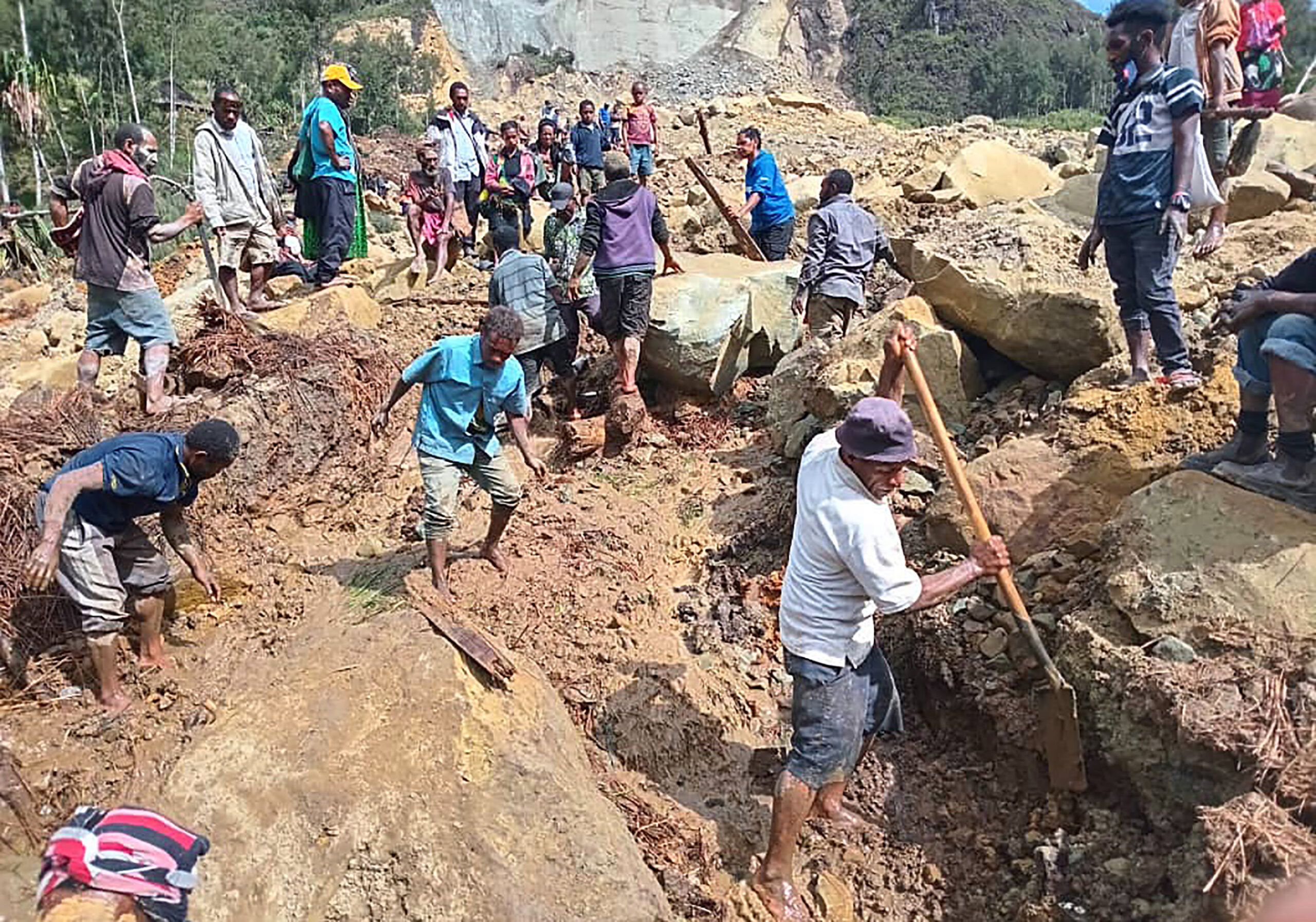
![Angola gold mine collapse kills 28 amid country’s push beyond diamonds [Global News - Inquirer.net]](https://ocdn.eu/pulscms/MDA_/dab81335524be81587a99e90b281018d.jpg)
At least 28 people have died after a landslide ripped through an illegal gold mining site in Angola, turning the country’s growing rush into gold into one of its deadliest informal mining disasters.
- At least 28 people have died after a landslide hit an illegal gold mining site in Angola’s Bengo province.
- The disaster comes as Angola pushes harder into gold, copper and other minerals to reduce dependence on oil and diamonds.
- Diamond prices have been under pressure globally as lab-grown stones gain ground.
- The tragedy exposes the human cost of Africa’s fast-growing but poorly regulated artisanal mining economy.
The collapse happened in Bengo province, northwest of the capital Luanda, where miners were extracting gold from an unregulated site before the ground caved in.
Four people were rescued, while search operations have now been completed, provincial civil protection officials said.
Local reports said the victims were between 16 and 45 years old, with 13 members of the same family among those killed.
That detail has made the disaster not just a mining accident, but a painful reminder of how poverty and joblessness continue to push families into dangerous informal work.
For Angola, the timing is especially sensitive.
The country is trying to build a broader mining economy after decades of dependence on oil and diamonds.
But the tragedy in Bengo shows the dangerous gap between Angola’s official minerals ambition and the reality of illegal dig sites, where workers often operate without safety systems, formal permits or emergency protection.
DON'T MISS THIS:Angola plots mega investments in diamonds as talks with UK top miner begin
Angola’s gold ambitions are growing
Angola has long been known as one of Africa’s major diamond producers, but the global diamond industry is under pressure.
Anglo American has been trying to sell De Beers, its diamond unit, after falling diamond prices and growing competition from synthetic stones weakened the business.
Angola has also been seeking a 20% to 30% stake in De Beers as part of a wider African push to defend value in the natural diamond industry.
That pressure has made gold and copper more important to Luanda’s long-term strategy.
Angola is preparing to open its first gold refinery, a major step in its plan to process more minerals locally instead of exporting raw value. Recent reports say the refinery is expected to have daily processing capacity of about 20 to 25 kilogrammes when operational.
The shift matters globally because gold has become more attractive at a time when investors, governments and central banks are looking for safe assets, while African producers are trying to capture more value from minerals before they leave the continent.
But as formal investment grows, illegal mining is also spreading.
The darker side of Africa’s artisanal mining boom
Across Africa, artisanal mining supports millions of people, especially in rural communities with few formal jobs. But it is also one of the continent’s most dangerous informal economies.
Unregulated pits can collapse without warning. Miners often work without protective equipment, geological surveys or emergency response systems. In many countries, informal mining also creates tension with licensed companies, local authorities and security forces.
Angola’s illegal mining problem was once more closely tied to diamonds. Now, gold is becoming part of the same struggle.
The challenge for Luanda is clear: the country wants to attract big mining investors, expand refining capacity and reduce dependence on oil. But unless artisanal mining is better controlled and formalised, the human cost of that transition could keep rising.
The Bengo collapse is now likely to intensify pressure on Angolan authorities to crack down on unsafe mining sites while also creating legal routes for small-scale miners who depend on the sector to survive.
For investors, it is another warning that Africa’s minerals boom is not only about reserves, exports and global demand. It is also about governance, safety and whether countries can turn underground wealth into development without leaving poor communities to bear the risk.