U.S. injects additional $20 million into Africa's Ebola response, pushing total aid above $220 million
The United States has announced an additional $20 million in emergency funding to support efforts to contain an Ebola outbreak spreading across parts of Africa, bringing its total direct contribution to more than $220 million.
 Black News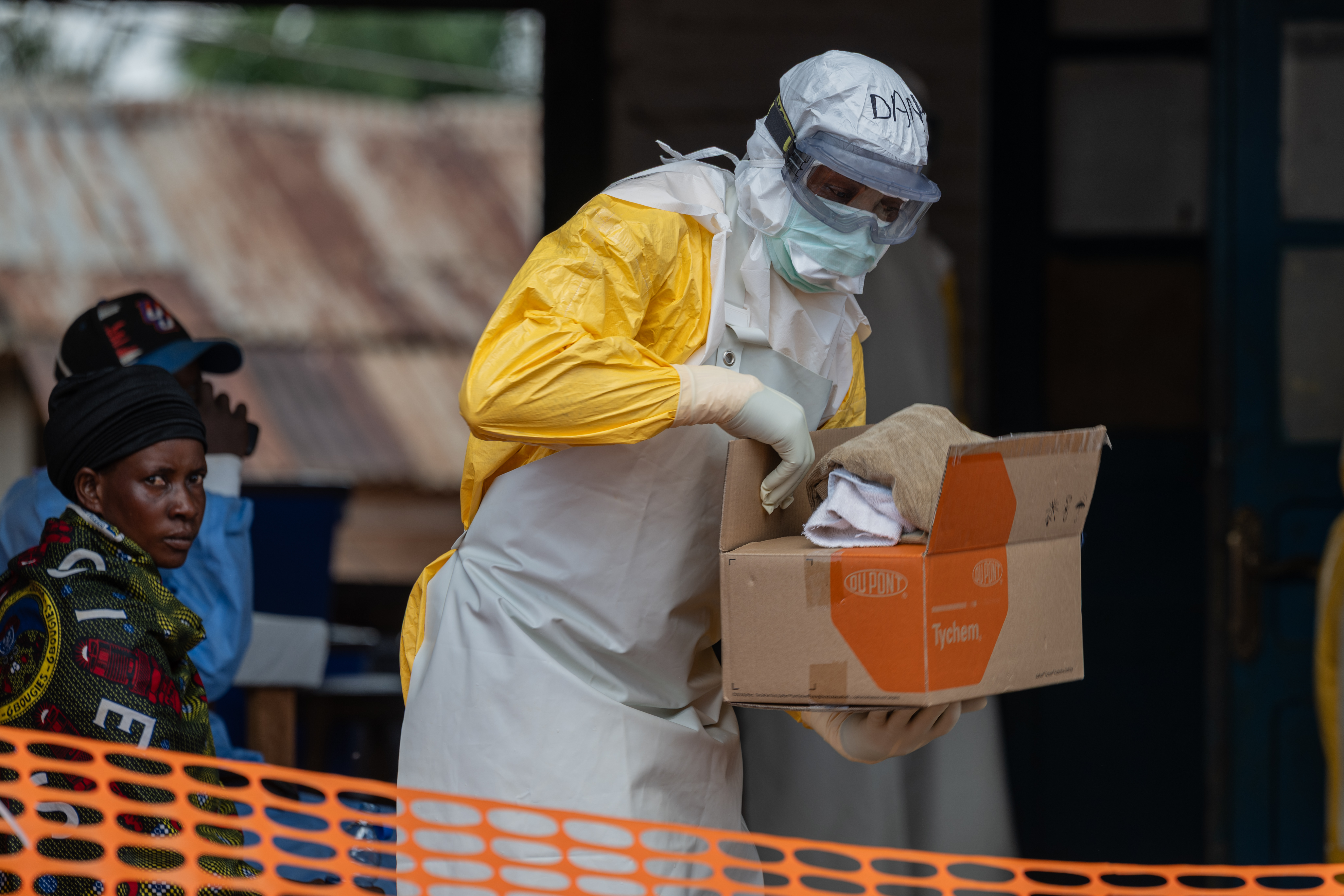

The United States has announced an additional $20 million in emergency funding to support efforts to contain an Ebola outbreak spreading across parts of Africa, bringing its total direct contribution to more than $220 million.
- The U.S. has announced an additional $20 million in emergency funding for Ebola outbreak containment in Africa, raising its total contribution to over $220 million.
- The new funding will strengthen emergency operations, disease surveillance, border screening, testing, and infection control in Burundi, Kenya, Rwanda, and South Sudan.
- Total global support for the Ebola response is nearing $500 million, with the U.S. as the largest donor, and significant contributions from the World Bank, European partners, and the U.N.
- The current outbreak, driven by the Bundibugyo strain with no approved vaccine or treatment, is raising concerns due to weak regional health systems and increased cross-border transmission.
The United States has announced an additional $20 million in emergency funding to support efforts to contain an Ebola outbreak spreading across parts of Africa, bringing its total direct contribution to more than $220 million.
The funding, announced by the U.S. State Department on Wednesday, will support preparedness and response operations in Burundi, Kenya, Rwanda, and South Sudan, where health authorities are racing to prevent further spread of the virus.
The package will be directed toward strengthening national emergency operations centres, improving disease surveillance, expanding testing capacity, enhancing border screening, and supporting infection prevention and control systems. It will also help countries distribute critical medical supplies and improve care for Ebola patients, according to the statement.
Global funding surge
The latest U.S. commitment comes as international support for the outbreak response climbs to nearly $500 million.
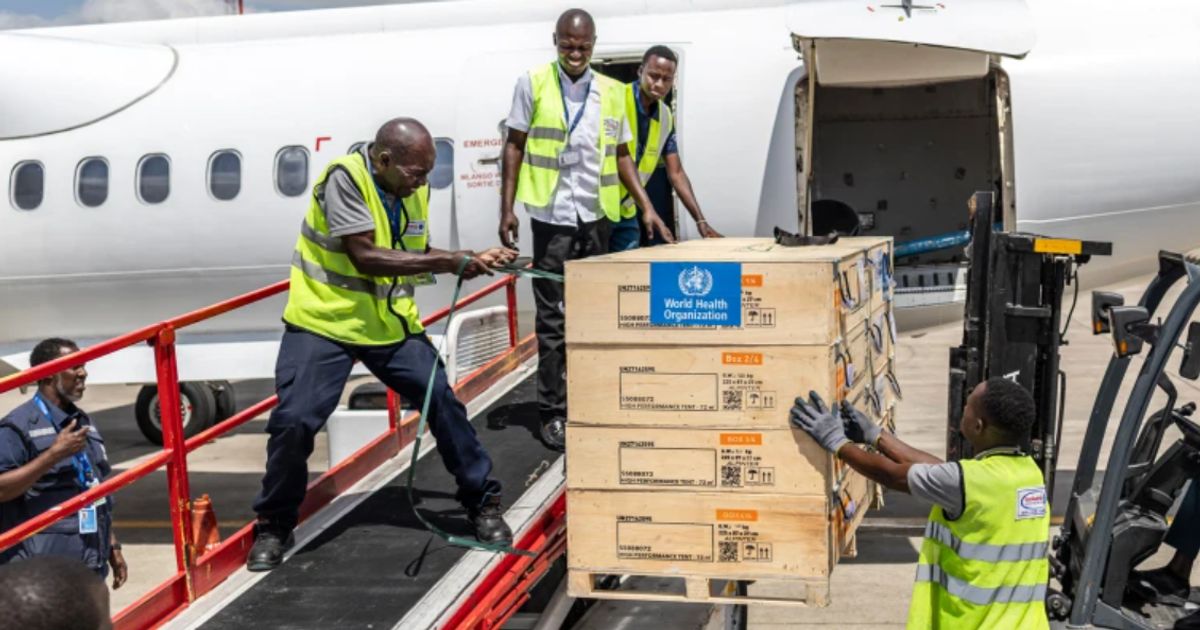
Washington remains the largest single donor, with officials stating that the U.S. has now committed over $200 million and delivered approximately 150 tons of medical supplies to affected countries.
Other major pledges include $160 million from the World Bank for the Democratic Republic of Congo, alongside roughly $57 million in support from European partners. The United Nations Office for the Coordination of Humanitarian Affairs has also approved an additional $60 million emergency allocation following the World Health Organisation’s declaration of a Public Health Emergency of International Concern.
Rising concern across Central Africa
The outbreak’s spread across parts of Central Africa has raised fears that transmission is accelerating faster than health systems can respond.
Health officials warn that the current outbreak is being driven by the Bundibugyo strain of Ebola, a relatively rare variant that has no approved vaccine or specific antiviral treatment. This has significantly complicated containment strategies compared to previous outbreaks.
Officials say weaker surveillance infrastructure, cross-border movement, and limited vaccine options are contributing to the challenge.
While emergency funding is increasing, public health experts caution that financial commitments alone may not be enough without stronger coordination, faster diagnostics, and improved regional preparedness.
Kenya deal sparks debate
Meanwhile, the U.S. has separately pledged $13.5 million to Kenya’s Ebola preparedness efforts following talks between U.S. Secretary of State Marco Rubio and President William Ruto.
However, the agreement has triggered criticism within Kenya’s medical community and sections of the public, with some questioning why African countries are expected to shoulder frontline outbreak risks while wealthier nations provide support from a distance.
Doctors’ unions and health advocates have argued that such arrangements risk positioning African health systems as the primary buffer against global spread.
For now, attention remains on whether the rising wave of international support can keep pace with a virus that has repeatedly proven difficult to contain once it spreads beyond.