U.S. moves to block market access for 8 African countries following comprehensive global forced-labor investigation
Trump’s latest trade proposal could hit exports from eight African countries with new tariffs, marking a new phase in Washington’s effort to tie market access to labour standards and supply-chain compliance.
 Black News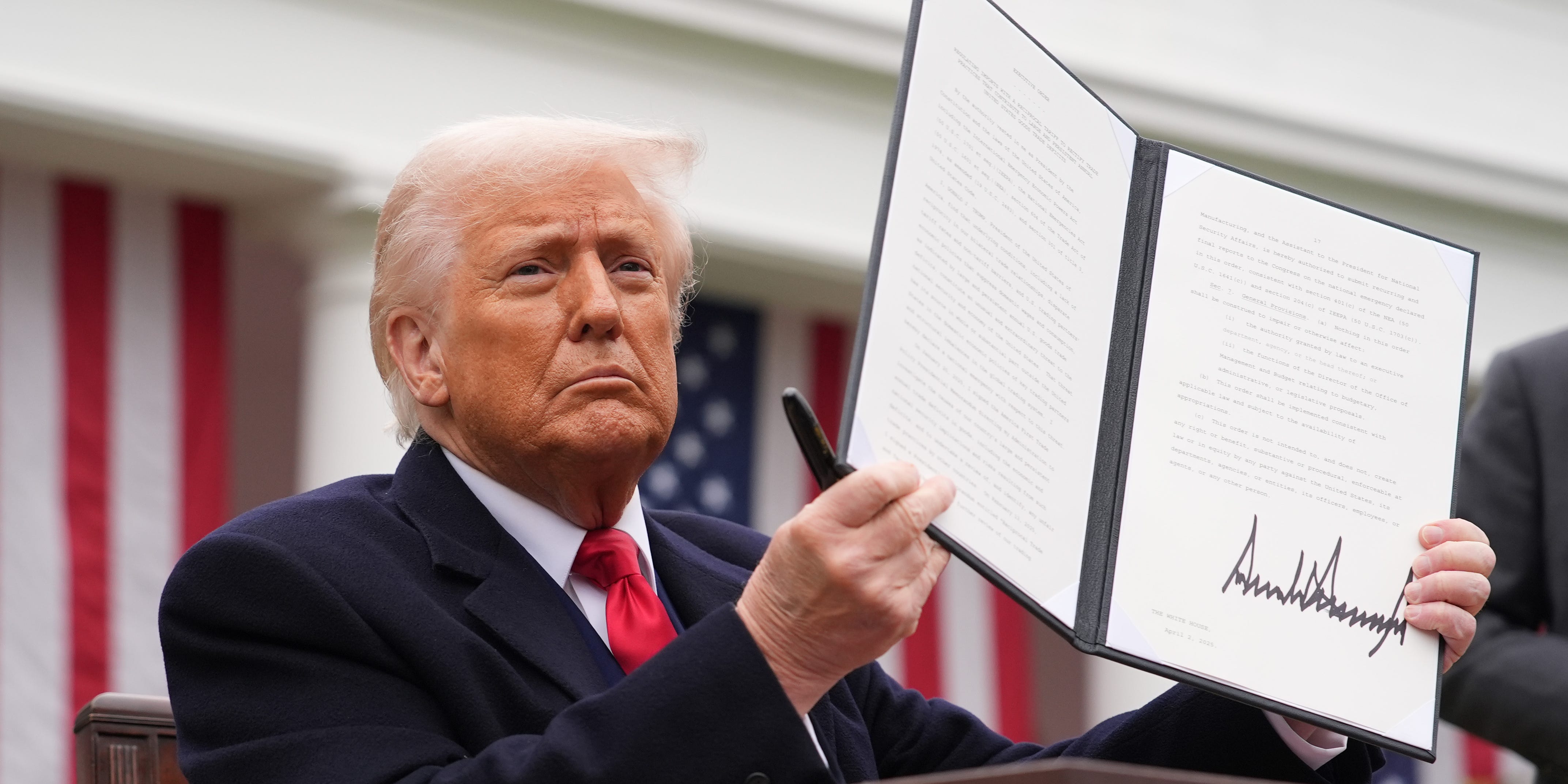

Trump’s latest trade proposal could hit exports from eight African countries with new tariffs, marking a new phase in Washington’s effort to tie market access to labour standards and supply-chain compliance.
- The U.S. has proposed new 12.5% tariffs on exports from eight African countries due to concerns over forced labor practices.
- The targeted countries are Algeria, Angola, Egypt, Libya, Mauritania, Morocco, Nigeria, and South Africa.
- This measure is part of a wider investigation by the USTR involving 60 economies to assess compliance with labor standards in supply chains.
- Unlike previous tariffs targeting trade imbalances, this proposal specifically focuses on forced labor-related compliance.
The proposal, unveiled by the Office of the United States Trade Representative (USTR), targets countries that the U.S. says have failed to impose or effectively enforce restrictions on imports produced with forced labour.
Among the 60 economies investigated, eight African nations were included: Algeria, Angola, Egypt, Libya, Mauritania, Morocco, Nigeria, and South Africa.
If approved, most products from these countries could be subject to an additional 12.5% tariff when entering the U.S. market. The measure remains under review and has not yet been implemented.
DON'T MISS THIS: Full list of Trump's reciprocal tariffs for African countries
The proposal differs from the baseline 10% tariff introduced earlier under President Donald Trump’s reciprocal trade framework, which affected a broad range of countries as part of an effort to address trade imbalances and market-access concerns.
The new measure is more targeted, focusing specifically on labour-related trade practices rather than traditional trade metrics.
According to the USTR, economies that fail to prevent the importation of goods made with forced labour create unfair competitive advantages by allowing lower-cost products to circulate through global supply chains.
![If approved, most products from the affected African countries could be subject to an additional 12.5% tariff when entering the U.S. market. [Photo by Amanuel Sileshi/AFP via Getty Images]](https://ocdn.eu/pulscms/MDA_/72b4b3718c8da5f798dd70213b0c5079.jpg)
Why these African countries were included in the investigation
The eight African nations were swept into a wider U.S. investigation examining whether trading partners have legal frameworks and enforcement mechanisms in place to prevent goods produced with forced labour from entering their markets.
DON'T MISS THIS: Trump-era tariffs push Germany past US in South Africa trade rankings
The review covered 60 economies and included consultations with dozens of governments. Following the investigation, the USTR concluded that the affected African countries had either failed to establish effective prohibitions on forced-labour imports or had not adequately enforced existing measures.
As a result, they were placed in the category facing the proposed 12.5% tariff rate. By comparison, countries that have adopted some form of forced-labour import prohibition, or made commitments to strengthen such measures through trade agreements with the United States, would face a lower 10% duty under the proposal.
DON'T MISS THIS: South Africa, Nigeria and others dragged into sweeping US trade investigation over suspected “unfair trade”
For the affected African economies, the implications extend beyond the immediate tariff threat. The proposal signals a broader shift in U.S. trade policy, where access to the American market is increasingly being linked to labour practices, regulatory enforcement, and supply-chain transparency.
If adopted, the measure could raise the cost of exporting to one of the world’s largest consumer markets, adding fresh uncertainty for African exporters already navigating a challenging global trade environment.