US to withdraw $400 million HIV funding from South Africa, home to over 8 million people living with the virus
The diplomatic dispute between Washington and Pretoria has reached one of the world’s largest public health programmes.
 Black News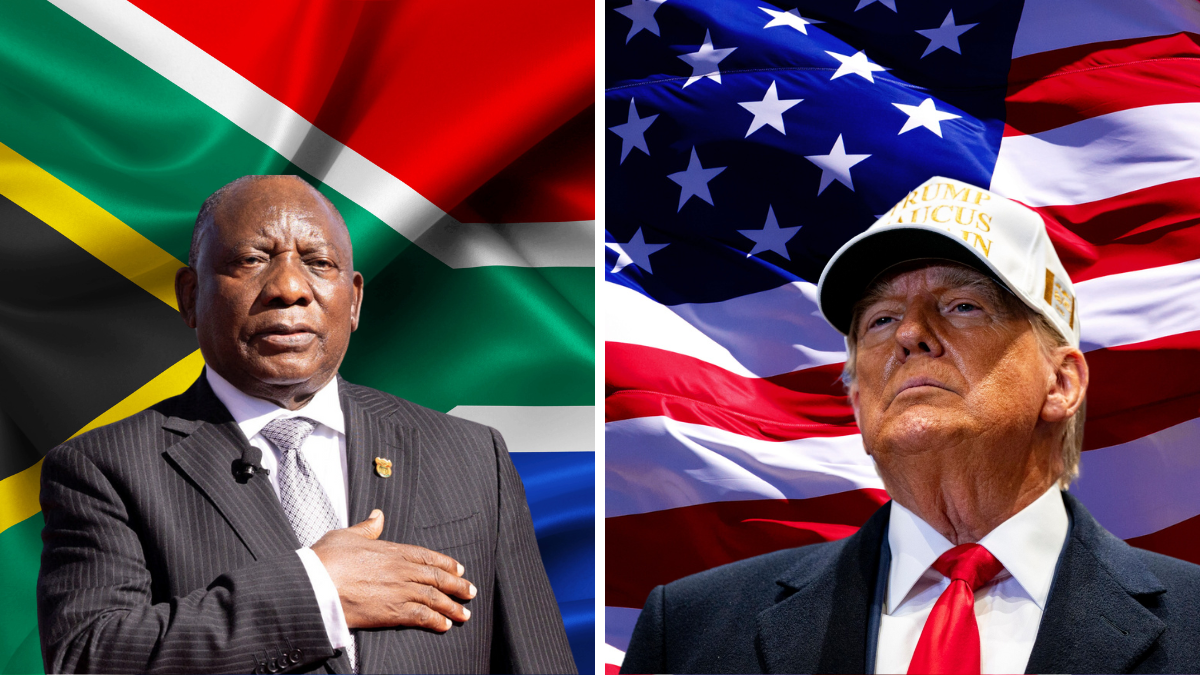

The diplomatic dispute between Washington and Pretoria has reached one of the world’s largest public health programmes.
- The US plans to phase out HIV/AIDS funding for South Africa through the PEPFAR programme.
- The move threatens support worth roughly $400 million annually in a country where more than 8 million people live with HIV.
- Washington linked the decision to broader policy disagreements with Pretoria.
- The funding withdrawal marks the latest escalation in worsening relations between the Trump administration and South Africa.
The United States government has announced plans to phase out HIV/AIDS funding for South Africa, a move that could eventually remove support worth about $400 million annually from a country where more than 8 million people are living with HIV.
The decision affects funding provided through the President’s Emergency Plan for AIDS Relief (PEPFAR), one of America’s most successful global health initiatives and a programme that has helped save millions of lives across Africa since its launch in 2003.
The move marks a significant escalation in deteriorating relations between the Trump administration and South Africa, shifting tensions from trade and foreign policy into the public health arena.
A relationship that keeps getting worse
The latest decision did not just happen. Relations between Washington and Pretoria have steadily deteriorated since Donald Trump returned to office.
Shortly after his inauguration, Trump signed an executive order accusing South Africa of implementing policies that discriminate against white Afrikaners and undermine equal opportunities.
The White House also criticised South Africa’s genocide case against Israel at the International Court of Justice and raised concerns about Pretoria’s diplomatic relationship with Iran.
Trump has repeatedly alleged that a “white genocide” is taking place in South Africa and established a refugee programme for Afrikaners seeking to relocate to the United States.
Those claims have been rejected by the South African government and disputed by researchers, human rights organisations and independent analysts.
Pretoria has consistently argued that its Black Economic Empowerment policies are intended to address deep economic inequalities inherited from apartheid and do not discriminate against any racial group.
Efforts to repair relations have largely failed. A series of diplomatic engagements between officials from both countries have done little to bridge growing disagreements over domestic policy, foreign affairs and human rights issues.
Now those tensions appear to be affecting one of the most important areas of cooperation between the two countries.
Why the funding matters
South Africa carries the world’s largest HIV burden. According to UNAIDS, more than 8 million people in the country are living with HIV, representing roughly one-fifth of the global total.
For more than two decades, PEPFAR has played a critical role in South Africa’s response to the epidemic.
The programme has supported testing services, prevention campaigns, treatment monitoring, community outreach programmes and thousands of healthcare workers.
Before recent funding disruptions, PEPFAR was contributing approximately $400 million annually to South Africa’s HIV response.
According to the US State Department, a phased withdrawal of that support will now begin because South Africa has failed to make what Washington described as “demonstrable progress” on policy requests made by the administration.
A State Department official said the objective was to promote self-reliance and reduce dependence on American assistance.
The official argued that South Africa’s status as a middle-income country means it is capable of financing more of its own healthcare programmes.
What happens next?
South Africa’s Health Ministry said it had not yet received formal notification of the decision.
However, officials noted that the government has long been preparing for a future in which foreign donor support gradually declines.
The ministry also stressed that the procurement of life-saving antiretroviral medicines is funded largely through domestic resources and is not directly dependent on PEPFAR.
That means treatment programmes are unlikely to collapse overnight.
But public health experts say the loss of funding could still create significant pressure on HIV prevention, testing and community support programmes that help keep infection rates under control.
The concern is also about the broader healthcare infrastructure that supports one of the largest HIV treatment programmes in the world.
PEPFAR funding has historically supported thousands of frontline healthcare workers, data systems, outreach initiatives and civil society organisations involved in South Africa’s HIV response.
Replacing those resources entirely through domestic funding may prove difficult at a time when the country’s public finances remain under pressure.
Beyond South Africa
The decision also signals a broader shift in how Washington approaches foreign assistance under Trump’s second presidency.
The administration has increasingly argued that middle-income countries should rely less on foreign aid and take greater responsibility for financing their own development priorities.
Supporters say the policy encourages sustainability and accountability, however, critics argue that geopolitical disputes should not jeopardise health programmes that affect millions of vulnerable people.
For South Africa, the announcement reveals another sign that one of Africa’s most important relationships with the United States is entering a more confrontational phase.
And for the more than 8 million South Africans living with HIV, the consequences of that political fallout could extend well beyond diplomacy.







.jpg?width=1200&auto=webp&crop=3:2#)