War pushes Ukraine toward Africa’s growing gas giants to help curb an energy crisis
The ongoing conflict between Russia and Ukraine, which has been ongoing for three years, has precipitated a significant energy crisis within Ukraine, necessitating that the Eastern European nation seek alternative energy partnerships across Africa.
 Black News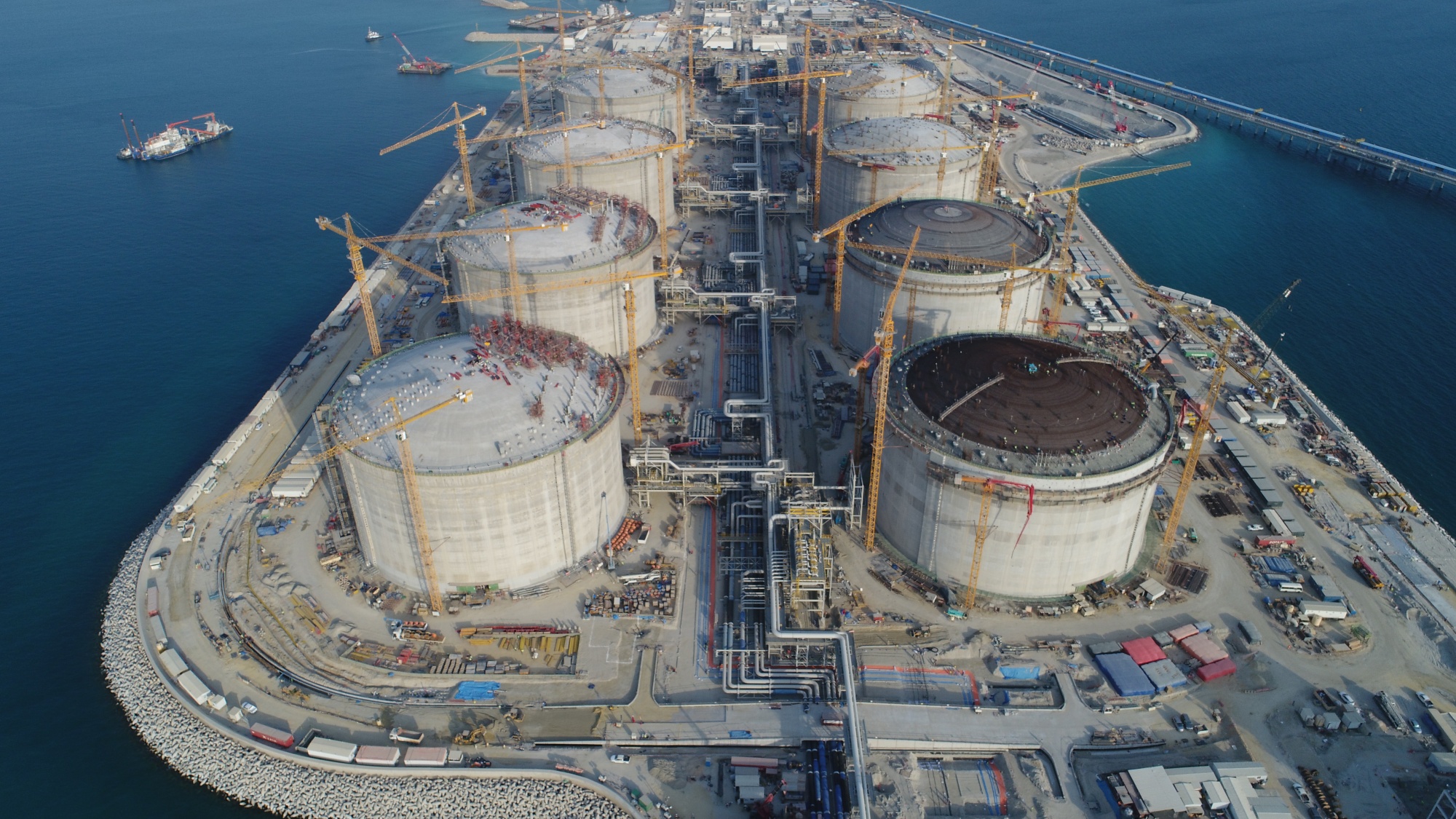

The ongoing conflict between Russia and Ukraine, which has been ongoing for three years, has precipitated a significant energy crisis within Ukraine, necessitating that the Eastern European nation seek alternative energy partnerships across Africa.
- Ukraine is facing an energy crisis due to the ongoing conflict with Russia, prompting it to seek LNG supplies from Mozambique.
- Ukrainian President Zelensky confirmed Ukraine's interest in LNG imports after meeting Mozambique's President Daniel Chapo.
- Ukraine's local LNG production has halved due to Russian strikes targeting gas facilities, making alternative energy partnerships critical.
- Mozambique is poised to become a major global LNG exporter, but its projects have faced delays and increased costs due to regional insurgency and security concerns.
According to a recent report, Ukraine is exploring options to procure substantial quantities of liquefied natural gas (LNG) from the Southern African country of Mozambique.
This information was disclosed by the Ukrainian president, Volodymyr Zelensky, who confirmed his country’s LNG interest on Monday, after a meeting with his Mozambican counterpart, President Daniel Chapo.
![Mozambique's President Daniel Chapo speaks during the General Debate of the United Nations General Assembly at the UN headquarters in New York City on September 23, 2025. [Photo by LEONARDO MUNOZ/AFP via Getty Images]](https://ocdn.eu/pulscms/MDA_/a1fe2c3da130eaf6f922e8b62a7f50d0.jpg)
"Ukraine is interested in additional energy supplies. Mozambique is interested in Ukraine's experience and technologies to strengthen its internal security and protect people from terror," the Ukrainian president stated.
DON’T MISS THIS: Only Nigerians arrested? 42 detentions in Mozambique spark xenophobia claims
Despite Russia’s LNG reserves, its neighbor and now aggressor, Ukraine, has not imported Russian gas since 2015, a few years before the war.
Back then, Kyiv relied heavily on local production; however, since the start of its conflict with Russia, Ukraine’s local production of LNG has taken a significant hit.
As seen on The Independent, Russian strikes which targets Ukriane’s gas facilities are to blame for the country’s inability to focus on its LNG production.
According to Ukraine’s Central Bank Governor, Andriy Pyshnyi, the Eastern European country has seen its local LNG production cut down by half.
Mozambique currently stands as one of the primary gas producers on the African continent.
LNG challenges in Mozambique
The Southern African country and TotalEnergies were identified as prospective key suppliers following the January announcement regarding the recommencement of a significant LNG initiative, which had been previously suspended due to regional insurgency.
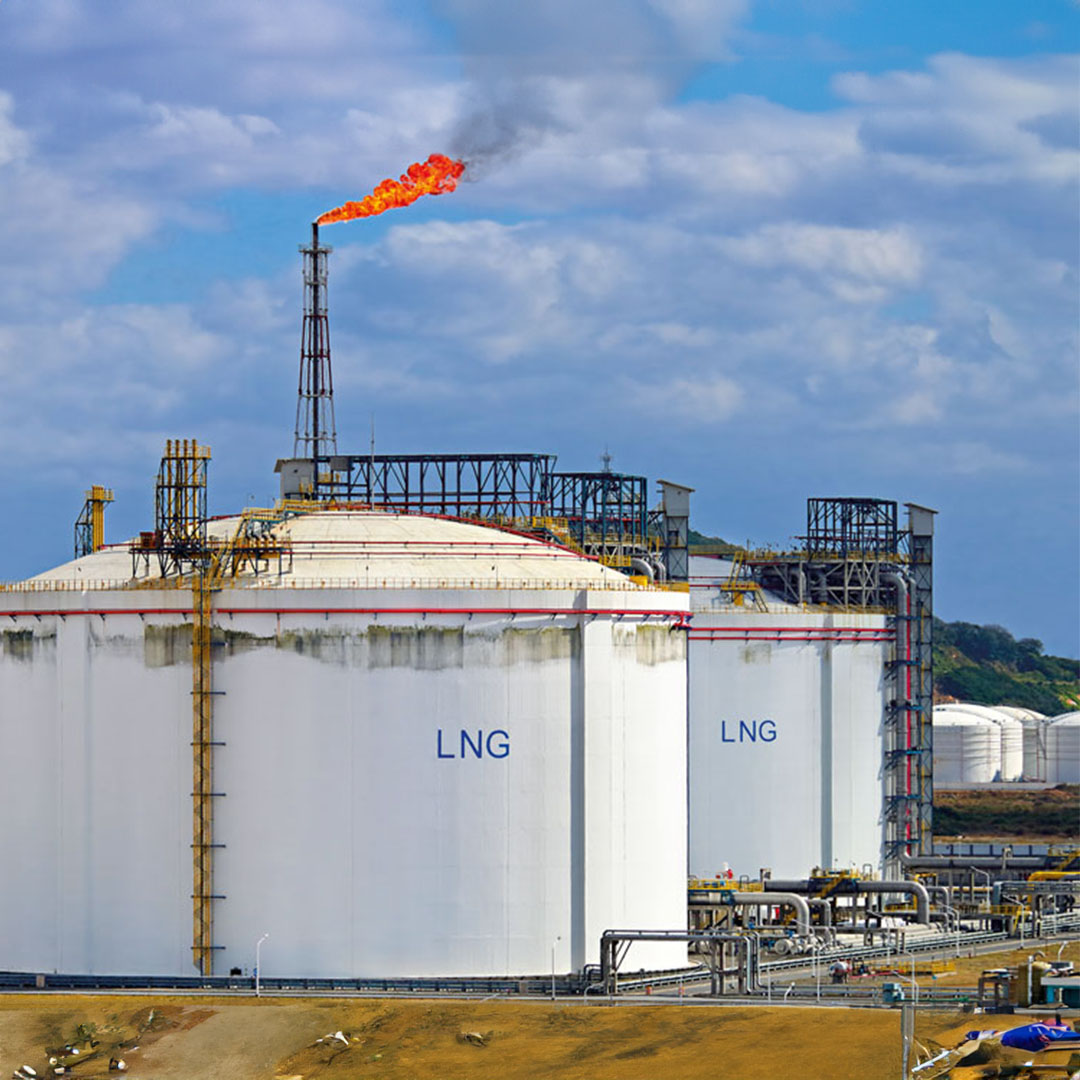
With a projected annual capacity of 13 million metric tons of LNG, Mozambique is poised to evolve into a major global gas exporter.
However, in October last year, TotalEnergies informed the country that the cost of its liquefied natural gas (LNG) project had increased by $4.5 billion due to a four-year halt triggered by Islamist militant attacks.
In the same month, ExxonMobil suspended its interest in Rovuma LNG, a $30 billion gas project, due to Mozambique’s internal security crisis.
If completed, the project is expected to be Africa’s largest LNG export facility.
However, persistent insecurity in the Cabo Delgado province, the epicenter of an Islamist insurgency that has destabilized northern Mozambique for nearly a decade, engendered doubt in the minds of potential investors.
In December 2025, the British government announced the withdrawal of its $1.15 billion investment in the TotalEnergies-led Mozambique Liquefied Natural Gas project.
The funding had been promised in 2020 through UK Export Finance, just before the UK committed to ending direct government backing for overseas fossil fuel projects.
"In preparation to restart the project, UKEF was presented with a proposal to amend the financing terms it had agreed originally," British business minister Peter Kyle said in a statement.
"This view is based on a comprehensive assessment of the project and the interests of UK taxpayers, which are best served by ending our participation in the project at this time," he added.
TotalEnergies (26.5%), Japan's Mitsui (20%), state-owned ENH (15%), Bharat Petroleum (10%), Oil India (10%), ONGC Videsh (10%), and Thailand's PTTEP (8.5%) own the Mozambique LNG joint.