What It Means to “Make It” in Africa’s Creative Economy Now
Making it in Africa’s creative economy is no longer just going viral or getting international recognition. One doesn’t need to leave the continent to make it. It was before that Africa’s creative ambition was framed through escape. Over the last decade something has shifted. African music no longer exists at the margins of global culture. […]
 Black News
Making it in Africa’s creative economy is no longer just going viral or getting international recognition. One doesn’t need to leave the continent to make it. It was before that Africa’s creative ambition was framed through escape.
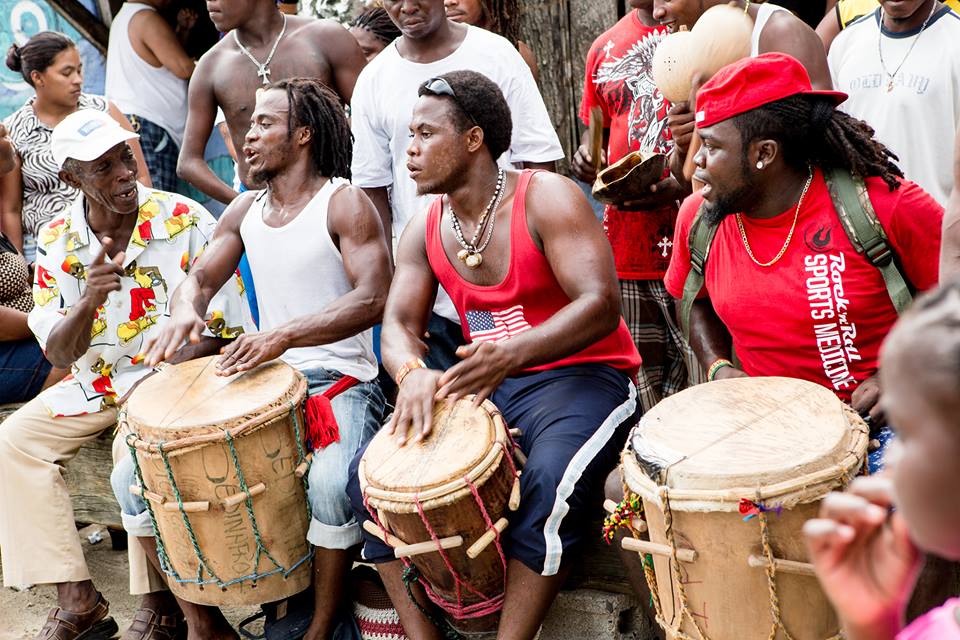
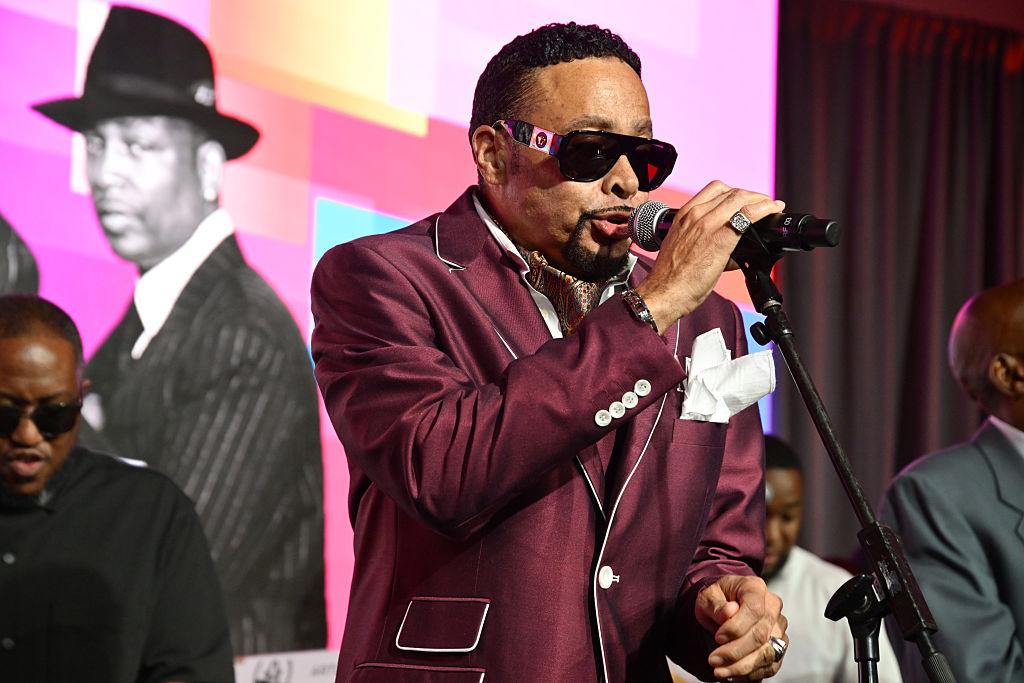
Over the last decade something has shifted. African music no longer exists at the margins of global culture. Fashion brands across the continent are shaping conversations around luxury and identity. African filmmakers are also attracting international distribution. The world now pays attention to Africa.
Success Became Performance
To survive in today’s creative economy, talent is no longer enough. Artists must become brands and designers must become content strategists. Musicians are expected to maintain constant visibility across platforms that reward speed more than depth. Creativity is increasingly shaped by algorithms demanding relentless output.
This is arguably the most globally visible African creative generation in history, yet many of the people driving that visibility remain economically vulnerable. Virality accelerated the problem. A viral moment can transform an unknown artist into an internet obsession overnight, but it rarely teaches sustainability.
Creatives are pushed into cycles of overproduction simply to remain culturally present. Nobody wants to disappear as invisibility in the digital era feels like irrelevance.
The New Definition of “Making It”
For a long time, African creatives measured success through proximity to Western institutions. A deal abroad meant legitimacy, and relocation signaled arrival. International co-signs also validated careers in ways local recognition couldn’t. That mentality is changing as some of the continent’s most ambitious creatives today are more interested in building power within Africa.
Making it no longer simply means becoming famous overseas. Increasingly, it means ownership. Ownership of masters, studios, fashion houses, festivals, media platforms, production companies, agencies, and distribution systems. The new generation understands that visibility without control is fragile. African creatives are no longer waiting to be translated before being understood globally. They are shaping global culture directly while remaining rooted in local identity.
In Lagos, Nairobi, Johannesburg, Accra, Kigali, and Dakar, entire creative ecosystems are forming around this idea. Musicians launch labels and designers build independent brands. The goal is no longer simply to enter existing industries. It is to build new ones.
The Cost of the Dream
Africa’s creative boom remains unevenly distributed. Most opportunities remain concentrated in major cities. Many emerging creatives fund their work personally while navigating unstable economies, inflation, unreliable infrastructure, and limited institutional support. Others abandon creative ambitions entirely because survival becomes more urgent than expression.
Independent creatives often lack legal protections and access to sustainable financing. Global attention arrives faster than structural reform. And yet the expectation to succeed publicly remains intense.
Perhaps that is what makes this moment emotionally complicated for many African creatives. The world sees the breakthrough, but not always the labor underneath it. They rarely see the debt, burnout, uncertainty, rejection, or emotional fatigue required to sustain creative careers within rapidly changing industries.
So, What Does It Mean to “Make It”?
To “make it” in Africa’s creative economy today is not merely to be seen. For many people, making it means creative independence and ownership. To emerging artists, it simply means earning enough to continue creating without losing themselves in the process. It is to remain standing inside industries that constantly demand more visibility, speed, and performance. Making it is surviving long enough to build something lasting, and increasingly, it is doing so on your own terms.