Will Women Do Well in the Nigerian Legislative System? Comparing Today’s Prospects with Past Nigerian Female Legislators????????
By Moses Chibuike Ezechukwu As conversations around gender inclusion continue to shape Nigeria’s democratic journey, many Nigerians are asking whether women can thrive in the country’s legislative system. Looking at the achievements and struggles of past female lawmakers provides valuable insight into what the future may hold. Nigeria’s democracy has evolved significantly over the past […]
 Black News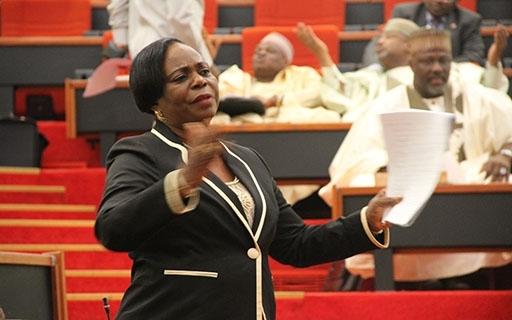

By Moses Chibuike Ezechukwu
As conversations around gender inclusion continue to shape Nigeria’s democratic journey, many Nigerians are asking whether women can thrive in the country’s legislative system. Looking at the achievements and struggles of past female lawmakers provides valuable insight into what the future may hold.
Nigeria’s democracy has evolved significantly over the past two decades, yet one issue continues to attract national attention: the representation of women in politics. Despite making up nearly half of the country’s population, women remain vastly underrepresented in the National Assembly and state legislatures. This reality has sparked an important debate: can women truly succeed in Nigeria’s legislative system if given more opportunities, or are the structural barriers still too overwhelming?
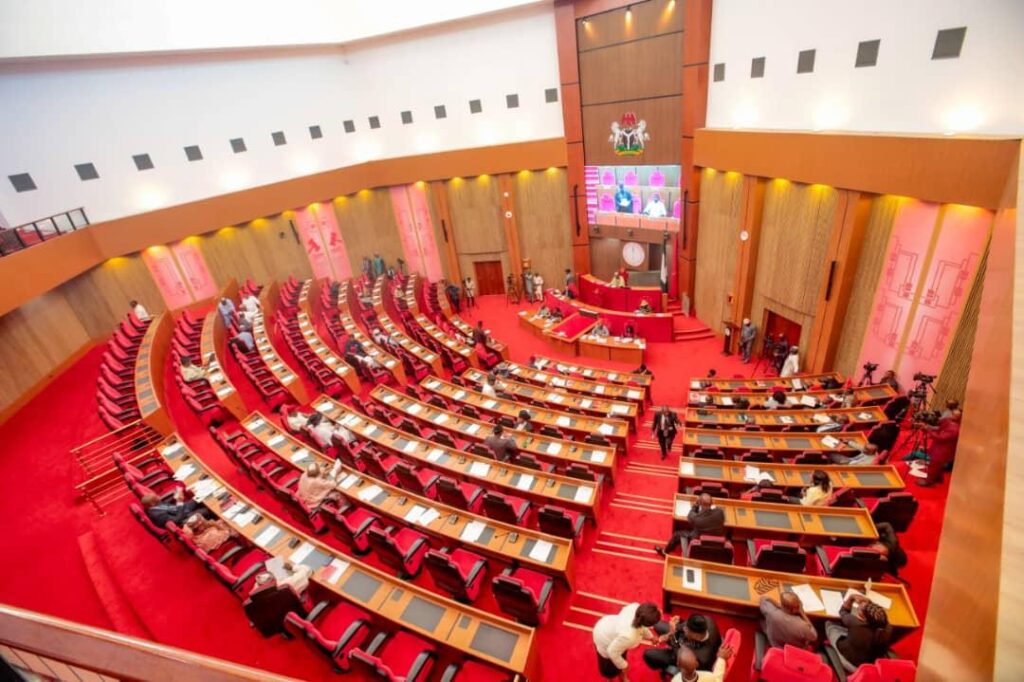
The answer may not be as straightforward as a simple yes or no. However, history offers compelling evidence that Nigerian women have consistently demonstrated competence, resilience, and leadership whenever they have been given the chance to serve. Comparing the contributions of past female legislators with today’s political environment suggests that women are not only capable of succeeding but may also strengthen Nigeria’s democratic institutions if greater inclusivity is achieved.
Politics in Nigeria has traditionally been dominated by men. Cultural expectations, financial limitations, political violence, and party structures have often discouraged women from contesting elective positions. Many female aspirants face additional scrutiny, societal stereotypes, and limited access to political funding compared to their male counterparts. These challenges explain why female representation in Nigeria’s legislature has remained among the lowest in Africa..
Yet despite these obstacles, several women have left remarkable footprints in the nation’s legislative history.
One of the most respected figures was Senator Florence Ita-Giwa, whose influence extended beyond legislative debates. She became widely known for championing issues affecting women, children, and marginalised communities while also advocating for the development of the Niger Delta. Her confidence and political experience proved that women could effectively navigate Nigeria’s highly competitive political landscape.
Another notable example is Senator Daisy Danjuma, who served with distinction in the Senate.
Throughout her tenure, she consistently emphasised education, healthcare, and women’s empowerment. Her legislative contributions reflected a commitment to policies that directly impacted ordinary Nigerians rather than political grandstanding.
Former Senator Uche Ekwunife also demonstrated that women could maintain strong political relevance even in difficult electoral environments. Her resilience through legal battles and electoral contests showed that persistence remains one of the defining qualities of successful female politicians in Nigeria.
Similarly, Senator Stella Oduah brought national attention to infrastructure development, aviation reforms, and legislative oversight. While public service inevitably attracts criticism, her political journey illustrated that women are willing to occupy demanding leadership positions traditionally dominated by men.
Beyond the Senate, several women have distinguished themselves in the House of Representatives through legislative advocacy, constituency projects, and committee leadership. Their performances challenge the outdated assumption that legislative effectiveness depends on gender rather than competence.
Looking at these examples, one pattern becomes clear: whenever women enter the legislature, many focus strongly on education, healthcare, social welfare, youth development, and family-centered policies. While male legislators also pursue these issues, female lawmakers have often demonstrated particular commitment to legislation affecting vulnerable populations.
International studies have similarly shown that increasing women’s participation in parliament often improves attention to healthcare, education, child welfare, transparency, and community development. Although every politician is different, diversity in representation generally enriches democratic decision-making by bringing multiple perspectives to policy discussions.
The question, therefore, should perhaps shift from whether women can perform well to whether Nigeria has created enough opportunities for capable women to contribute meaningfully.
Today’s political environment presents both opportunities and challenges. On one hand, Nigerian women are increasingly visible in business, law, academia, technology, civil society, and entrepreneurship. These sectors have produced experienced professionals with the leadership skills needed for legislative responsibilities.
Young women are also becoming more politically aware through social media, advocacy campaigns, and civic education initiatives. Digital platforms have enabled aspiring female politicians to connect directly with voters without relying solely on traditional political structures.
On the other hand, several longstanding barriers remain. Campaign financing continues to be one of the biggest obstacles.
Elections in Nigeria require substantial financial resources, making it difficult for many qualified women to compete effectively. Political violence and intimidation also discourage participation, especially in areas where elections become highly confrontational.
Another challenge lies within political parties themselves. Party primaries often determine electoral success long before the general election. If women struggle to secure party tickets, their chances of entering legislative offices remain limited regardless of their qualifications.
Public perception also plays a significant role. Although attitudes are gradually changing, some communities still view politics primarily as a male occupation. Such beliefs can influence voting behaviour even when female candidates possess stronger credentials than their opponents.
However, there are encouraging signs of progress. Civil society organisations continue to advocate for greater female participation in governance. Youth movements increasingly support competence over gender, while more Nigerians are beginning to recognise that effective leadership depends on vision, integrity, experience, and accountability rather than whether a candidate is male or female.
Countries across Africa have also demonstrated that higher female representation is achievable. Nations such as Rwanda have shown that deliberate efforts to include women in legislative processes can strengthen democratic participation and policy outcomes. Although Nigeria’s political realities differ, these examples prove that meaningful change is possible.
Ultimately, success in the legislature should not be measured solely by gender quotas but by the quality of representation. Nigerians deserve lawmakers who understand public needs, propose practical legislation, provide effective oversight, and remain accountable to their constituents. Many women have already proven capable of meeting these expectations.
If more qualified women are elected into Nigeria’s National Assembly and state legislatures, they are likely to contribute fresh perspectives, broaden policy discussions, and inspire future generations of female leaders. Their presence would not replace male leadership but complement it, creating a legislature that better reflects the diversity of the Nigerian population.
History has already answered part of the question. Past female legislators served with determination despite enormous political challenges. Their achievements continue to inspire women aspiring to enter public office today.
The real challenge now rests with political institutions, parties, and voters. Will they create an environment where capable women can compete fairly? If the answer becomes yes, Nigeria may witness one of the most significant transformations in its democratic journey.
Women have repeatedly shown that they possess the intelligence, resilience, and leadership required for legislative service. What remains is for the political system to provide equal opportunities and for voters to judge candidates based on competence rather than stereotypes.
As Nigeria continues to strengthen its democracy, empowering more women to participate in lawmaking may not simply be about achieving gender balance. It could become one of the nation’s greatest investments in better governance, more inclusive policymaking, and a stronger democratic future.