Women in hip-hop: Easyice is not holding back

We’re back in Zimbabwe for another chapter of Women in African Hip-hop, our ongoing celebration of the women pushing the […]


Women in hip-hop: Easyice is not holding back

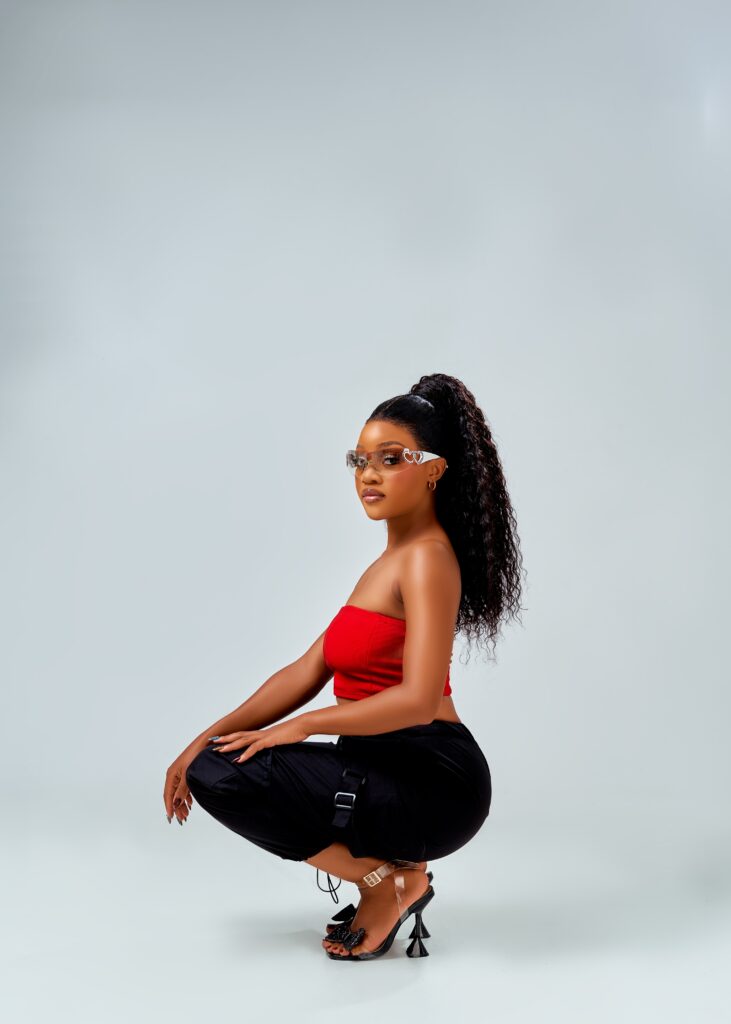
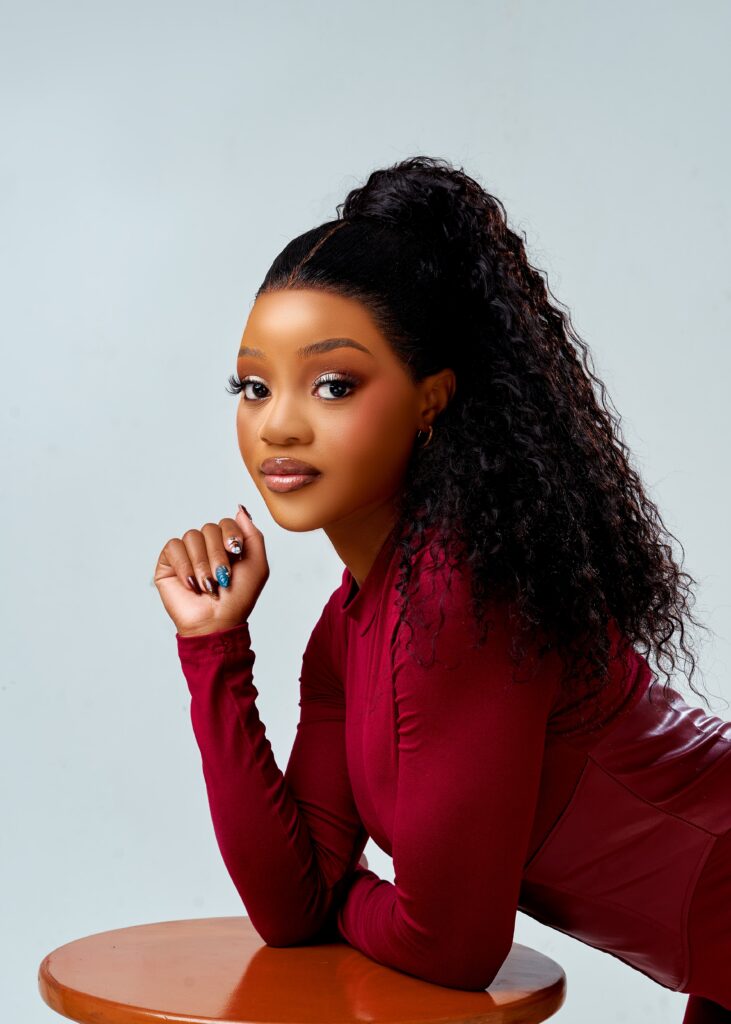
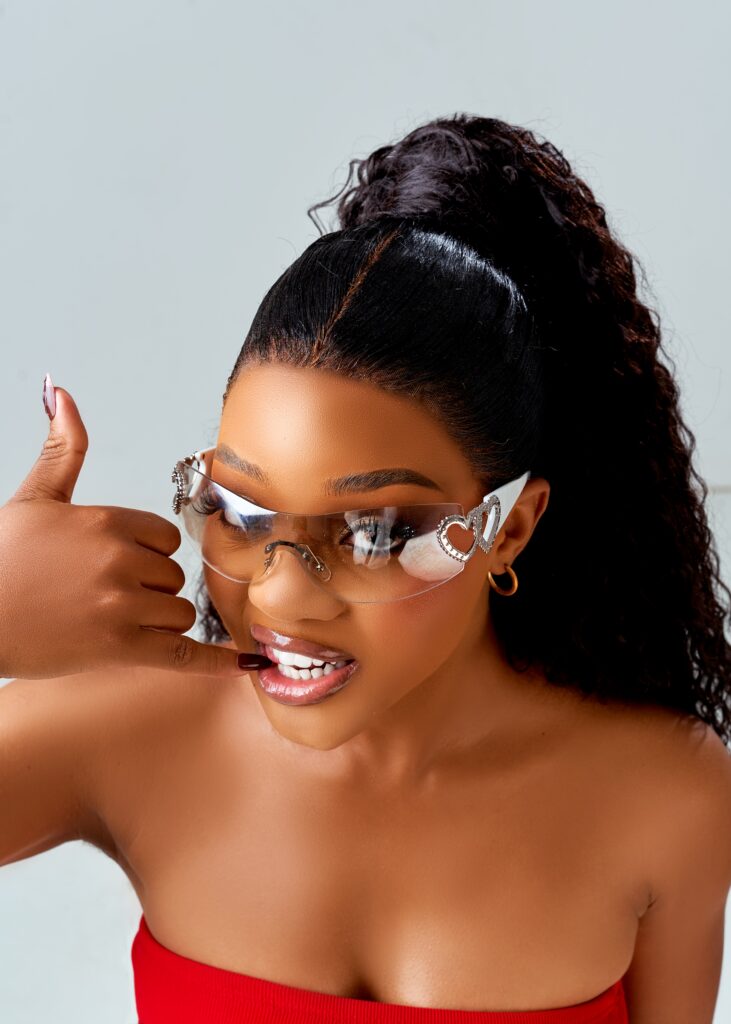
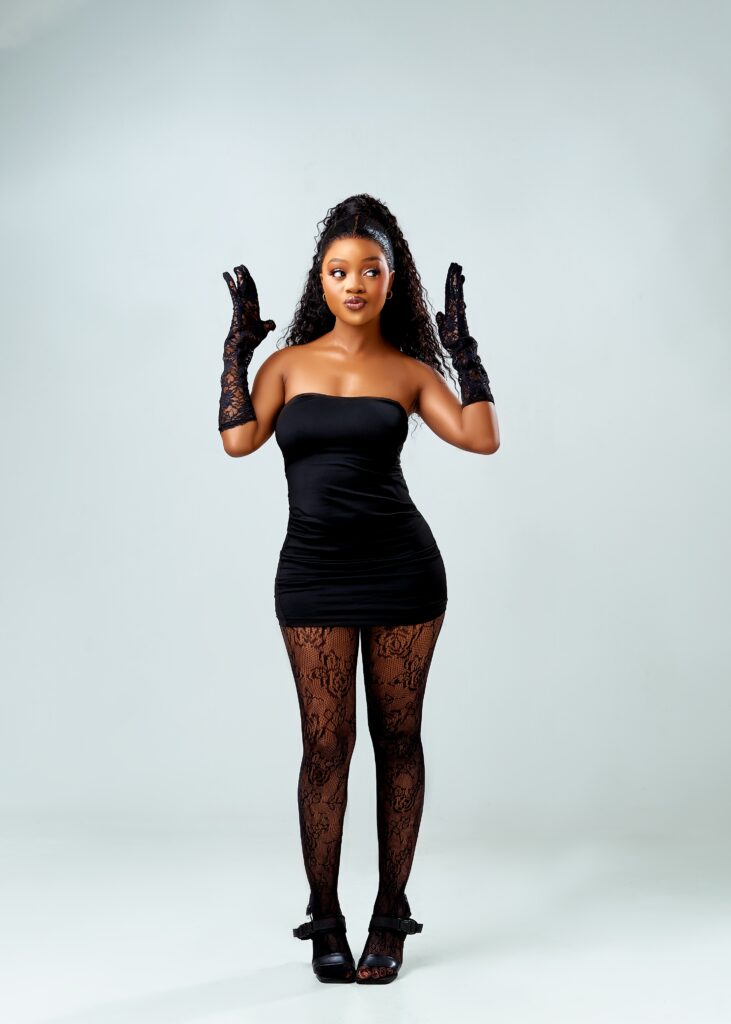
We’re back in Zimbabwe for another chapter of Women in African Hip-hop, our ongoing celebration of the women pushing the culture forward across the continent. This time, we shine the spotlight on Easyice, a Gwanda-born rapper and songwriter carving out her own lane with sharp lyricism, a premium aesthetic and a sound deeply rooted in African identity.

Born Esther Ngwaru in Harare and raised in Gwanda, Easyice moves effortlessly between Ndebele, Shona and English, bringing together Zimbabwean cultural influences and contemporary hip-hop. Her music speaks to ambition, resilience and the realities of chasing greatness, while her visuals and overall presentation reflect an artist intentional about building a distinct identity.

For those discovering you for the first time, who is Easyice beyond the music, and what has your journey from Gwanda to becoming one of Zimbabwe’s rising rappers looked like?

Easyice is a hardworking individual who comes from a close-knit family, and moving from that small family environment in Gwanda to rising in the Zimbabwean hip-hop scene has been a test of faith and persistence. Gwanda taught me resilience and every step of this journey has been about proving that talent can come from anywhere.

You rap in Ndebele, Shona and English. How important is it for you to preserve your identity while making music that can travel globally?

Language is identity. Rapping in Ndebele, Shona and English allows me to remain authentic while connecting with different listeners. Global audiences respect authenticity, so when you stay true to your roots, the world listens, regardless of language barriers.

What inspired you to pursue hip-hop, especially in a genre that’s still largely dominated by men across Africa?

I fell in love with hip-hop because it’s the ultimate voice for storytelling. I didn’t see the male dominance as a barrier; instead, I saw it as an invitation to bring a necessary female perspective to the game.

Your music blends ambition, resilience and culture. What stories or experiences do you feel compelled to tell through your lyrics?

I tell stories about the real hustle, overcoming struggles and celebrating where we come from, but I do it through a sound that is high-energy and very vibey. I want my lyrics to reflect the true African experience and the drive to win despite the odds.

Looking back at your debut singles, ‘INGQALA’ and ‘Nice Nice’, how do you think you’ve evolved as both a rapper and a songwriter?

I’ve evolved by becoming much more intentional with how I connect with listeners, ensuring my pen game hits home for a much wider audience while keeping my core identity intact.

You’ve shared stages with artists like SaintFloew, Poptain and Leo Magozz. Which performances have been the most defining moments of your career so far?

Sharing a stage with SaintFloew in Gweru was a defining moment for me. Seeing the crowd’s response and being in that environment made me realise my full potential as an artist and proved to me what I’m truly capable of achieving.

Being part of the 2025 Zimbabwe Hip Hop Awards (ZHHA) cypher was a major milestone. What did that opportunity mean to you personally and for your career?

It was a real starting point for my career. It gave me the perfect platform to introduce myself, make a strong first impression and set the tone for everything I’m building now.

As part of our Women in African Hip-hop series, how would you describe the current state of women in Zimbabwean hip-hop?

Honestly, we have to start by appreciating where we are right now because, for the longest time, we never really had a lot of women in the industry. Seeing women step up and take their space today is a big deal and it makes me so excited for the future.

Do you believe female rappers in Africa still have to work twice as hard to receive the same recognition as their male counterparts?

I actually disagree with that narrative. Instead of focusing on working twice as hard to match male counterparts, I believe female rappers just need to stay true to their own craft and authentic sound. The audience needs to learn to appreciate female artists for who they uniquely are and stop constant comparisons. When women focus on their own vision and people stop comparing us, that’s what naturally puts us right at the top.

Which African women in hip-hop have inspired your journey, and who would you love to collaborate with in the future?

Honestly, I appreciate every single woman doing this because they all inspire me in different ways. When it comes to collaborations, I’m open to working with any female artist, whether she’s upcoming or already established, as long as she has the drive, passion and vision to take the music as far as the international stage.

What changes would you like to see in the African hip-hop industry to create more opportunities for women?

I want to see more women in festival headlining slots and more female producers and executives behind the scenes. We need an ecosystem that supports female artists from production to promotion.

Zimbabwe and South Africa have always shared strong cultural ties, especially through music. How has South African hip-hop influenced your sound and career?

South African hip-hop set a high standard for production quality, branding and blending local languages with hip-hop beats. It showed me how powerful it is to make local culture sound international.

Many Zimbabweans relocate to South Africa in search of better economic opportunities. From your perspective, what are some of the biggest reasons behind this migration?

It comes down to searching for economic stability and better job opportunities and being able to provide for families back home.

Unfortunately, some Zimbabweans have experienced xenophobia in South Africa. As a young African artist, what’s your message to people who continue to discriminate against fellow Africans?

We share history, struggle and culture. Hating a fellow African only keeps us divided as a continent and we rise faster when we support each other.

Do you believe music can help break down xenophobia and remind people that African cultures are stronger when they stand together?

Yes, music bridges cultural gaps effortlessly and it speaks a language beyond borders. When a Zimbabwean and a South African perform on the same track, it proves that art connects us in ways politics cannot.

If you had the opportunity to perform at a major South African hip-hop festival tomorrow, what would you want South African audiences to know about Zimbabwean hip-hop?

I’d want them to see that Zimbabwean hip-hop is high-energy, versatile and deeply rich in lyrical talent but, most importantly, that Zim hip-hop is big on preserving our culture in that you can be modern and international without losing where you come from.

You’ve spoken about building a premium brand. What does “premium” mean to you, and how intentional are you about your image and visuals?

It means being very intentional with everything I release, from high-quality audio mixing and clean cover designs to how I dress and carry myself on stage. So, every detail is planned with care to make sure people see the quality and professionalism in my work.

Social media has become a powerful tool for independent artists. How has it helped you grow your audience beyond Zimbabwe?

Social media has been a game changer because it allows me to put my music, performance clips and personality straight out to the world, giving a full picture of who Easyice is. It has opened doors for international listeners to connect with my vibe and language, proving that good music and energy translate anywhere.

What’s next for Easyice? Can fans expect a new project, collaborations or perhaps a debut album in the near future?

Fans can definitely expect a lot coming soon, but I’m keeping the exact details under wraps for now to give everyone a proper surprise! Behind the scenes, a huge amount of hard work and nonstop studio time has been happening. There are major projects and some unexpected, high-profile collaborations in the works that people won’t see coming.

Finally, what advice would you give to young girls across Africa who dream of becoming rappers but are afraid to step into a space that’s often seen as male-dominated?

My main advice is simple: just START. Don’t wait for the “perfect” moment or for someone to give you permission to step into the room. Believe in your vision, show up as your authentic self and put in the relentless hard work to sharpen your craft every single day. Being male-dominated doesn’t mean it’s male-owned – there is space for you if you’re willing to work for it.