World’s second-largest shipping giant resumes operations on Africa’s busiest shipping waterway as Egypt eyes revenue recovery
A.P. Moller-Maersk, the world’s second-largest container shipping company, is resuming more services through the Suez Canal after nearly three years of disruption caused by attacks on commercial vessels in the Red Sea.
 Black News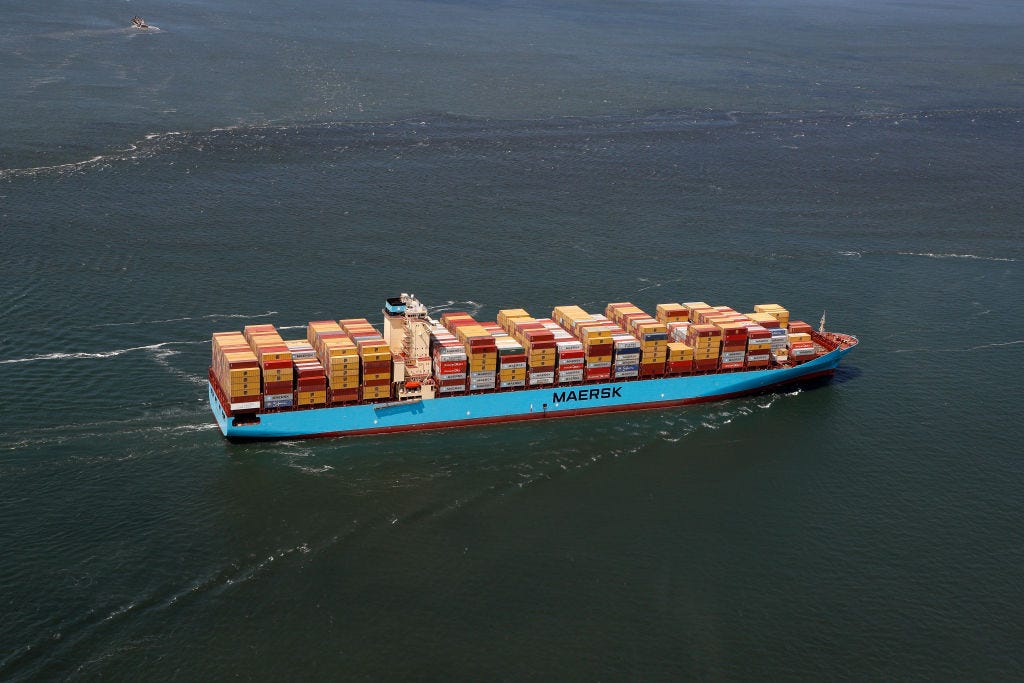
A.P. Moller-Maersk, the world’s second-largest container shipping company, is resuming more services through the Suez Canal after nearly three years of disruption caused by attacks on commercial vessels in the Red Sea.
- Maersk is resuming its Middle East-U.S. East Coast shipping service through the Suez Canal, reflecting growing confidence in the route after disruptions from Houthi attacks in the Red Sea.
- The decision follows Maersk's earlier announcement to restore its Asia-Europe AE15 service via the Suez, signaling a gradual reopening of this essential trade corridor.
- Egypt, which saw Suez Canal revenues halved due to the crisis, stands to benefit economically from the return of major global shipping lines.
- Maersk emphasizes that future operations remain dependent on regional security, with contingency plans in place if the threat from Houthi attacks resurges.
The Danish shipping giant said it will restore its Middle East-U.S. East Coast service through the Suez Canal, days after announcing a similar move for its jointly operated AE15 Asia-Europe service with Germany’s Hapag-Lloyd.
The latest decision marks another step in the gradual reopening of a route that had been largely abandoned since late 2023, when attacks by Yemen’s Houthi rebels forced most global shipping lines to divert vessels around Africa’s Cape of Good Hope.
The company said the return to the shorter trans-Suez route will reduce westbound transit times on the MECL service by an average of seven days, while eastbound voyages will be up to 14 days faster than sailings around southern Africa.
“By making the structural change of returning to the trans-Suez route for the MECL service, we will offer significant improved transit times,” the company said.
According to Maersk, the first westbound transit will be aboard Maersk Denver, while Maersk Chicago will make the first eastbound voyage.
The MECL service links India and the Middle East with the U.S. East Coast, while the AE15 service connects Asia with Mediterranean and European ports.
As part of the revised network, Maersk will also introduce an eastbound call at Jeddah beginning in August.
Maersk operates about 735 container vessels with a carrying capacity of roughly 4.65 million TEUs and handles about 13.7 percent of global container capacity.
Why the Suez Canal matters to Africa
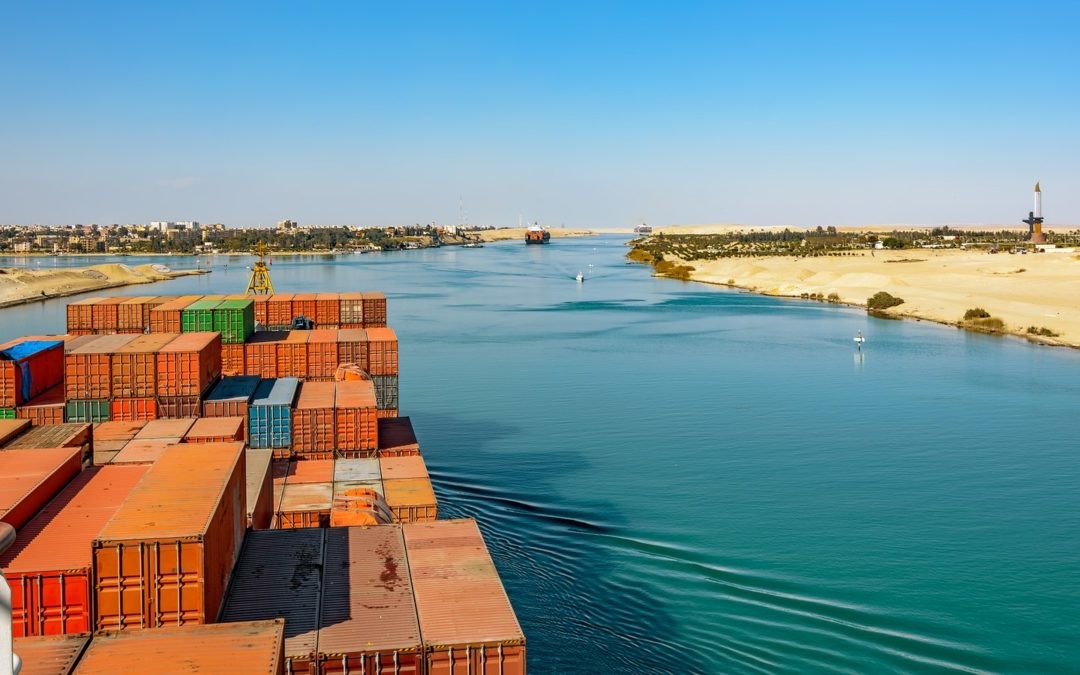
The move is significant for Egypt, which has suffered heavy losses since shipping lines abandoned the Suez Canal for the Cape of Good Hope.
The canal is one of Egypt’s main sources of foreign currency and handled an estimated 12 to 15 percent of global trade before the Red Sea disruptions.
However, Houthi attacks near the Bab el-Mandeb Strait reduced vessel traffic, cutting canal revenue from a record $10.25 billion in 2023 to about $4 billion in 2024 as ship transits nearly halved.
More recently, disruption in the Strait of Hormuz affected vessels entering and leaving the Gulf and raised security and insurance costs.
It also diverted some tanker traffic towards the Suez Canal, contributing to a partial recovery in traffic and revenue.
Meanwhile, diversions around the Cape increased voyage times, freight costs and port congestion as vessels travelled thousands of additional nautical miles.
Some southern African ports recorded higher bunkering and maritime activity, while exporters and importers faced longer delivery times, higher insurance costs and elevated freight rates.
Cautious return amid lingering security risks
The latest announcement follows the successful Red Sea transit of Majestic Maersk, which prompted the carrier to proceed with a phased restoration of services through the corridor.
However, Maersk said the decision remains subject to regional security conditions.
“The safety of crew, vessels, and customers’ cargo remains the highest priority,” Maersk said. “Should the security situation change... we have contingency plans in place.”
Since late 2023, Iran-backed Houthi militants have targeted more than 100 merchant vessels in the Red Sea and Gulf of Aden, sinking commercial ships, seizing vessels and forcing major container lines to reroute traffic around southern Africa.
Carriers continue to monitor developments in the Red Sea and the Strait of Hormuz before restoring additional services.