10 African countries with the highest debt to the IMF in April 2026
The growing reliance on financing from the International Monetary Fund (IMF) in Africa presents a cause for concern, as more than just a short-term stabilization instrument; it is increasingly affecting long-term economic results in ways that potentially limit growth and policy flexibility.
 Black News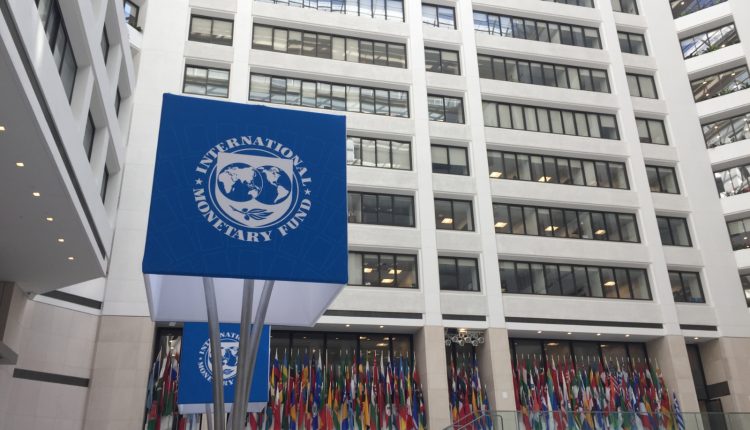



The growing reliance on financing from the International Monetary Fund (IMF) in Africa presents a cause for concern, as more than just a short-term stabilization instrument; it is increasingly affecting long-term economic results in ways that potentially limit growth and policy flexibility.
- African countries are increasingly relying on IMF financing, which impacts long-term growth and policy flexibility beyond short-term stabilization.
- Several nations, like Congo, Kenya, Ghana, and Senegal, are engaged in new or ongoing IMF programs due to fiscal constraints.
- Guinea-Bissau illustrates both the benefits and downsides of IMF dependence, with recent disbursements but missed fiscal and structural targets.
- Continuous IMF involvement often leads to altered targets, prolonged programs, and more exceptions due to program slippages.
Several African economies have either begun new conversations or expressed renewed interest in IMF assistance in recent weeks, as fiscal constraints have increased.
The Republic of Congo, for example, has apparently sought a new IMF program shortly after completing the previous one, citing sluggish growth and external pressures on its economy.
Countries across the continent, including Kenya, Ghana, and Senegal, are still heavily involved in ongoing IMF-supported arrangements or programme reviews.
Guinea-Bissau is a recent example that demonstrates both the advantages and disadvantages of IMF dependence.
The IMF recently granted around $3.2 million in new disbursements under its Extended Credit Facility, bringing total support to around $50.8 million since the program began in 2023.
DON’T MISS THIS: Top 10 African countries with the lowest debt to the International Monetary Fund in March 2026
The facility is intended to help stabilize public finances, strengthen governance, and promote economic growth.
However, the country's experience demonstrates the difficulties of continuous IMF involvement.
While Guinea-Bissau's growth is expected to be 5.5% in 2025, supported primarily by cashew exports, the IMF noticed severe programme slippages, with several major fiscal and structural targets missing.
As a result, exceptions were granted, future targets were altered, and the plan was prolonged for another year, to 2026.
Another concern is debt service pressure.
As countries accrue many IMF programs over time, a greater proportion of government revenue is allocated to debt repayment rather than development spending.
This is especially concerning in countries with substantial external debt burdens, as IMF exposure is placed on top of bilateral and commercial loans.
With that said, here are the African countries with the highest IMF debt in April 2026, per data from the IMF’s website.