10 African countries with the lowest total rail coverage in 2026
Poor railway infrastructure may provide substantial economic, logistical, and strategic issues for African countries, impeding their capacity to industrialize, grow commerce, and respond effectively to national crises.
 Black News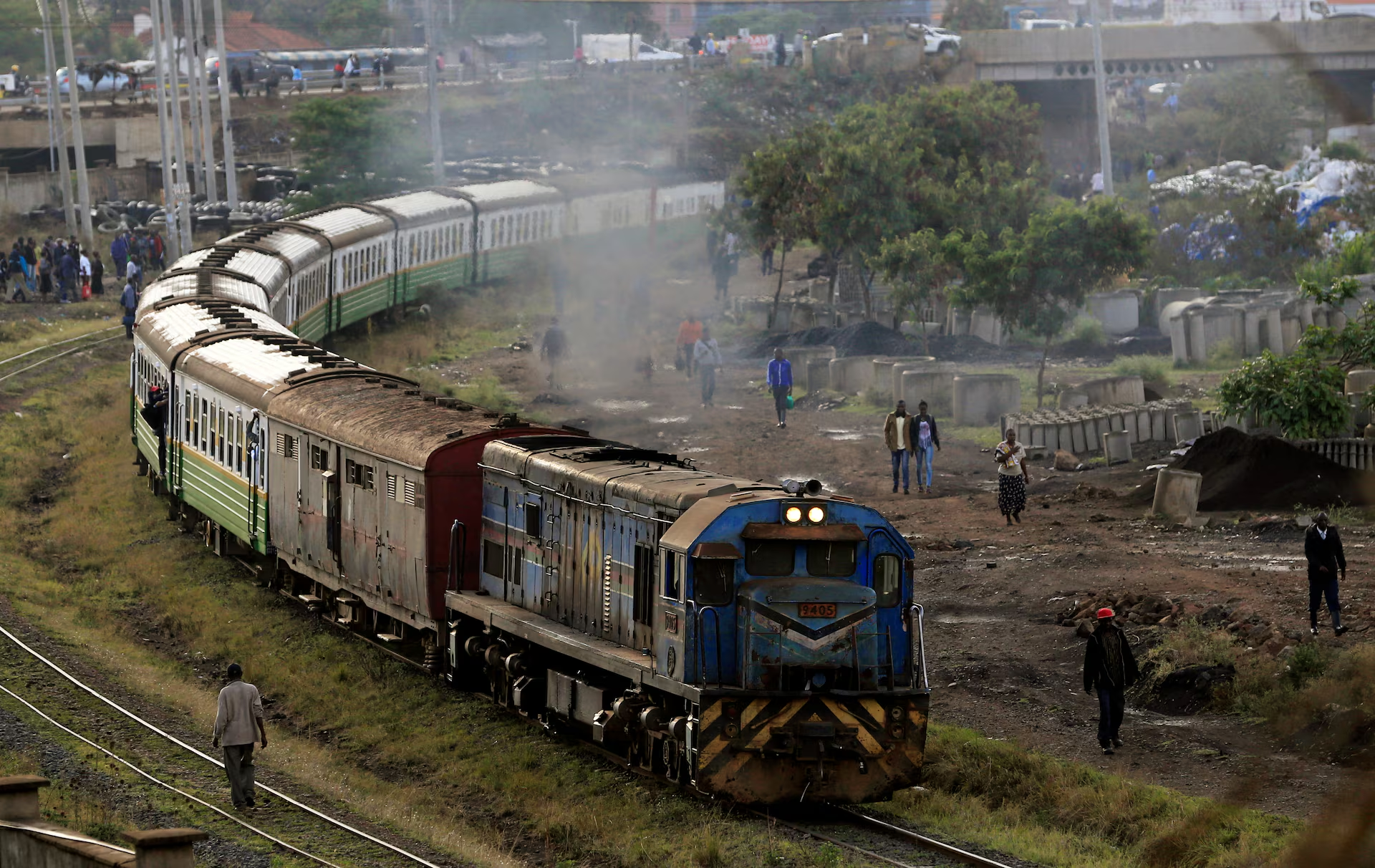

Poor railway infrastructure may provide substantial economic, logistical, and strategic issues for African countries, impeding their capacity to industrialize, grow commerce, and respond effectively to national crises.
- Poor railway infrastructure significantly hampers economic growth, industrialization, and strategic responses in African countries.
- Insufficient rail networks lead to higher transportation costs, making local goods less competitive both locally and internationally.
- Limited rail connectivity causes export bottlenecks, discourages investment, and increases road maintenance costs due to reliance on heavy trucks.
- Investing in rail infrastructure is essential for Africa's economic resilience, regional integration, and long-term growth, as highlighted by countries with the lowest rail coverage in 2026.
According to Global Firepower, railway networks give critical tactical flexibility in both peace and conflict.
They assist the transfer of heavy equipment, goods, and workers while also serving as a measure of a country's infrastructure maturity.
DON’T MISS THIS: Top 10 African countries with the weakest merchant marine fleet in 2026
When rail coverage is weak or undeveloped, countries frequently lose many of these benefits.
One of the most obvious implications of inadequate rail infrastructure is increased transportation costs. Without adequate rail networks, firms must rely mainly on road transport, which is typically more expensive for transporting big amounts of commodities across long distances.
These added expenses may render locally manufactured items less competitive in both domestic and international markets.
Many African countries rely on the transportation of minerals, agricultural products, and manufactured commodities between manufacturing facilities and ports.
Limited rail connection can cause bottlenecks, delaying exports, discouraging investment, and lowering profitability in vital businesses.
Heavy trucks hauling cargo can exacerbate road degradation, resulting in greater government maintenance expenditures and increased traffic congestion.
The strategic consequences are as significant. In times of crisis, whether military, humanitarian, or environmental, governments with weak railway infrastructure may struggle to move crucial supplies and troops rapidly across wide territory.
Inadequate rail connectivity can be especially detrimental for landlocked African countries, which frequently rely on the ports of neighboring countries to access global markets.
As Africa seeks industrialization and broader regional integration, nations with inadequate railway access may be at a disadvantage. Investing in rail infrastructure is still critical for expanding commerce, cutting logistical costs, increasing national resilience, and promoting long-term economic growth.
With that said, here are the African countries with the lowest rail coverage in 2026, according to data from GlobalFirepower.