African Music’s Most Fearless Experimenters
The artists are tearing apart genres, rebuilding them, and redefining what African music can sound like.
 Black News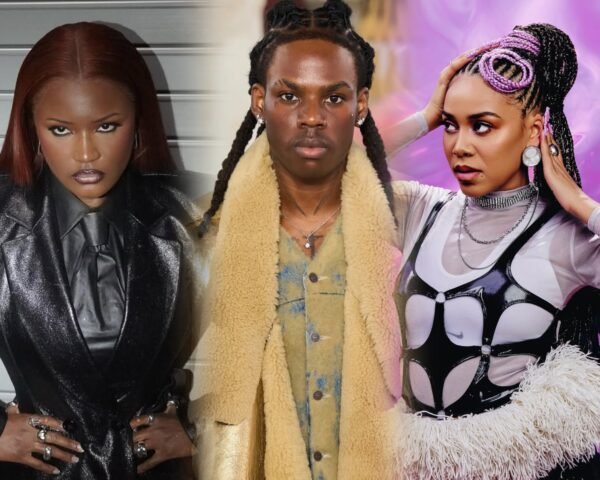
For many years, the global music industry has had a limited perspective on African music, typically demanding straightforward categories, while international audiences often expected familiar rhythms packaged into digestible narratives, such as Afrobeat from Nigeria, house music from South Africa, and soukous from Congo.
But African musicians have never been particularly interested in staying inside the boxes built for them. Across the continent, a new generation of artists is treating genre less like a destination and more like raw material. They pull from ancestral rhythms, internet culture, electronic experimentation, punk energy, jazz improvisation, spiritual traditions, and futuristic sound design all at once.
Their music resists easy classification because it was never designed to fit one. This article is focused on African music’s most fearless experimenters who are transforming the continent from a source of global trends into one of the world’s most exciting laboratories for sonic innovation.
The Death of the Genre Purist
The old rules of genre are collapsing everywhere, but nowhere more dramatically than in Africa. The continent’s genres were once treated as static cultural exports rather than evolving creative ecosystems. Yet today’s artists seamlessly integrate elements from genres such as amapiano, trap, house, jazz, gospel, and indigenous rhythms into single compositions, resulting in innovative sounds that defy conventional classification.
The internet played a crucial role in this transformation, enabling musicians to access and incorporate global music styles with remarkable ease. A producer in Lagos can explore a variety of sounds, including Detroit techno, Brazilian baile funk, and South African gqom all at once, while a vocalist in Nairobi can record over beats created in Johannesburg and mixed in London. Rather than preserving genres, they are mutating them.
Beyond Afrobeats
One of the biggest misconceptions about African music is that Afrobeats represents the whole story. The genre’s extraordinary global success has created unprecedented opportunities, but it has also obscured the incredible diversity flourishing beneath the surface.
Across Africa, musicians are building alternative scenes that operate according to entirely different creative principles. Some are creating futuristic electronic music while others are reinventing folk traditions through digital production. Many are merging local languages with experimental structures that challenge conventional songwriting altogether.
Africa’s Most Fearless Musical Experimenters
Behind every musical revolution is an artist willing to ignore the rules. These musicians are challenging conventions, mixing genres to create a sound that is entirely new.
Amaarae (Ghana)
Amaarae have boldly redefined contemporary African pop. Blending Afropop, alternative R&B, electronic music, dancehall, and hyper-pop, she creates sounds that feel futuristic yet deeply personal. Her critically acclaimed second studio album Fountain Baby pushed the boundaries of what African pop could sound like, combining airy vocals, unconventional production, and fearless storytelling. Amaarae represents a generation of artists who refuse to choose between mainstream appeal and artistic experimentation.
Rema (Nigeria)
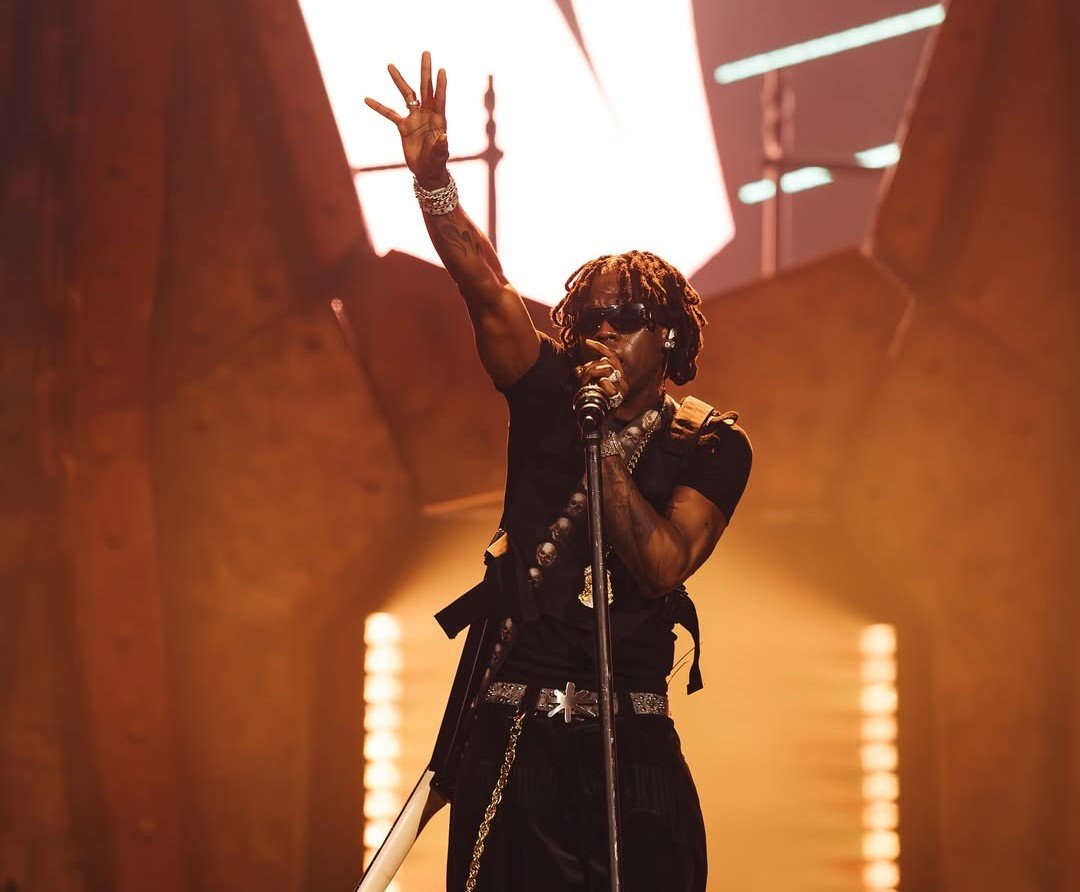
Rema’s influence extends far beyond chart success. The Nigerian superstar has expanded the sonic possibilities of Afrobeats by introducing trap elements, dark electronic textures, Indian musical influences, and unconventional vocal techniques into his music. While many of his peers helped push Afrobeats into global mainstream culture, Rema has consistently treated the genre as a starting point rather than a final destination.
Sho Madjozi (South Africa)
Sho Madjozi emerged as one of South Africa’s most distinctive voices by refusing to separate tradition from innovation. Her music effortlessly combines Tsonga cultural influences with gqom, hip-hop, Afropop, and global pop. Through multilingual lyrics, vibrant visual storytelling, and genre-defying production, she has become one of the continent’s most recognizable creative disruptors.
Fulu Miziki (Democratic Republic of Congo)
Part punk collective, part Afrofuturist art movement, Fulu Miziki has transformed experimental African music into a radical form of environmental and cultural expression. The Kinshasa-based group creates instruments and costumes from recycled materials while blending Congolese rhythms, electronic music, performance art, and futuristic aesthetics. Their work challenges not only musical conventions but also ideas about sustainability and creativity itself.
KMRU (Kenya)
Ambient music is rarely associated with African music conversations, but KMRU has changed that perception. The Kenyan sound artist and producer creates immersive sonic landscapes using field recordings, environmental sounds, and minimalist electronic textures. His work transforms everyday sounds into meditative compositions that blur the boundaries between music, memory, and geography, positioning him among Africa’s most innovative experimental musicians.
Faizal Mostrixx (Uganda)
Faizal Mostrixx represents the future-facing energy of East Africa’s electronic underground. Drawing heavily from Ugandan cultural traditions, he fuses indigenous rhythms, contemporary dance music, visual performance, and experimental electronic production into a style entirely his own. His work demonstrates how technology can be used not to replace heritage but to reinvent it.
Bamba Pana (Tanzania)
One of the leading architects of singeli, Tanzania’s hyper-fast electronic genre, Bamba Pana has pushed dance music toward extreme new territory. His productions are frenetic, intense, and relentlessly energetic, operating at speeds that challenge conventional club music structures. Through his work, Singeli has evolved from a local underground movement into one of Africa’s most fascinating experimental exports.
MC Yallah (Uganda/Kenya)
MC Yallah is a formidable figure in East Africa’s underground scene. She combines rapid-fire lyricism with futuristic electronic production. Collaborating frequently with producers associated with the Nyege Nyege collective, she has built a reputation for fearless performances that bridge hip-hop, industrial sounds, experimental club music, and African electronic traditions. Her work embodies the continent’s growing alternative music movement.
Slikback (Kenya)
Slikback has become one of Africa’s most respected experimental electronic producers by creating music that sits somewhere between club culture, bass music, and futuristic sound. His work has earned global recognition for its ability to challenge listeners while remaining deeply connected to contemporary African electronic movements.
Fela Kuti (Nigeria)
No conversation about fearless experimentation in African music can exist without the late Fela Kuti. Long before genre-blending became fashionable, Fela fused jazz, funk, highlife, Yoruba rhythms, and political activism into Afrobeat. More than a musical innovator, he established a philosophy of artistic rebellion that continues to inspire generations of African musicians pushing against convention today.
The New African Avant-Garde
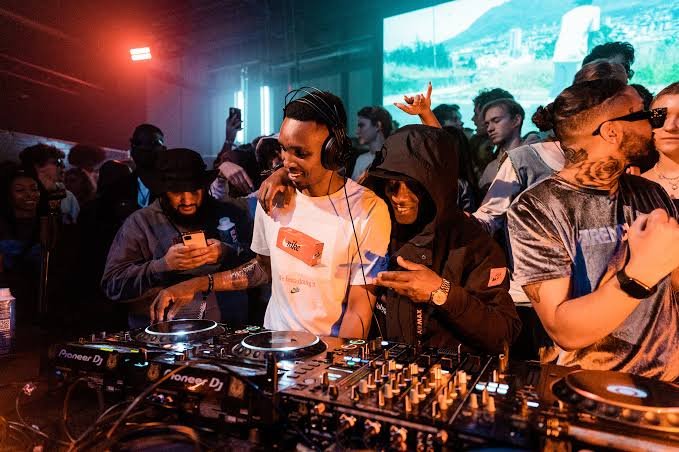
What makes Africa’s current wave of experimentation so significant is its confidence. Previous generations of artists were often expected to translate themselves for international audiences. Today’s innovators reject that expectation.
They create on their own terms, trusting listeners to follow. This has led to an unpredictable, continent-wide creative movement.
The future of African music will not be defined by a single genre, country, or superstar; it will be shaped by experimenters who are brave enough to imagine music that does not yet exist.