Africa’s biggest cobalt producer tightens grip on global supply with tougher export quota rules
The Democratic Republic of Congo (DRC) will confiscate unused cobalt export rights from mining companies and transfer them to a government-controlled reserve under tougher new rules aimed at strengthening state control over the global battery metal market, according to a regulatory notice seen by Reuters.
 Black News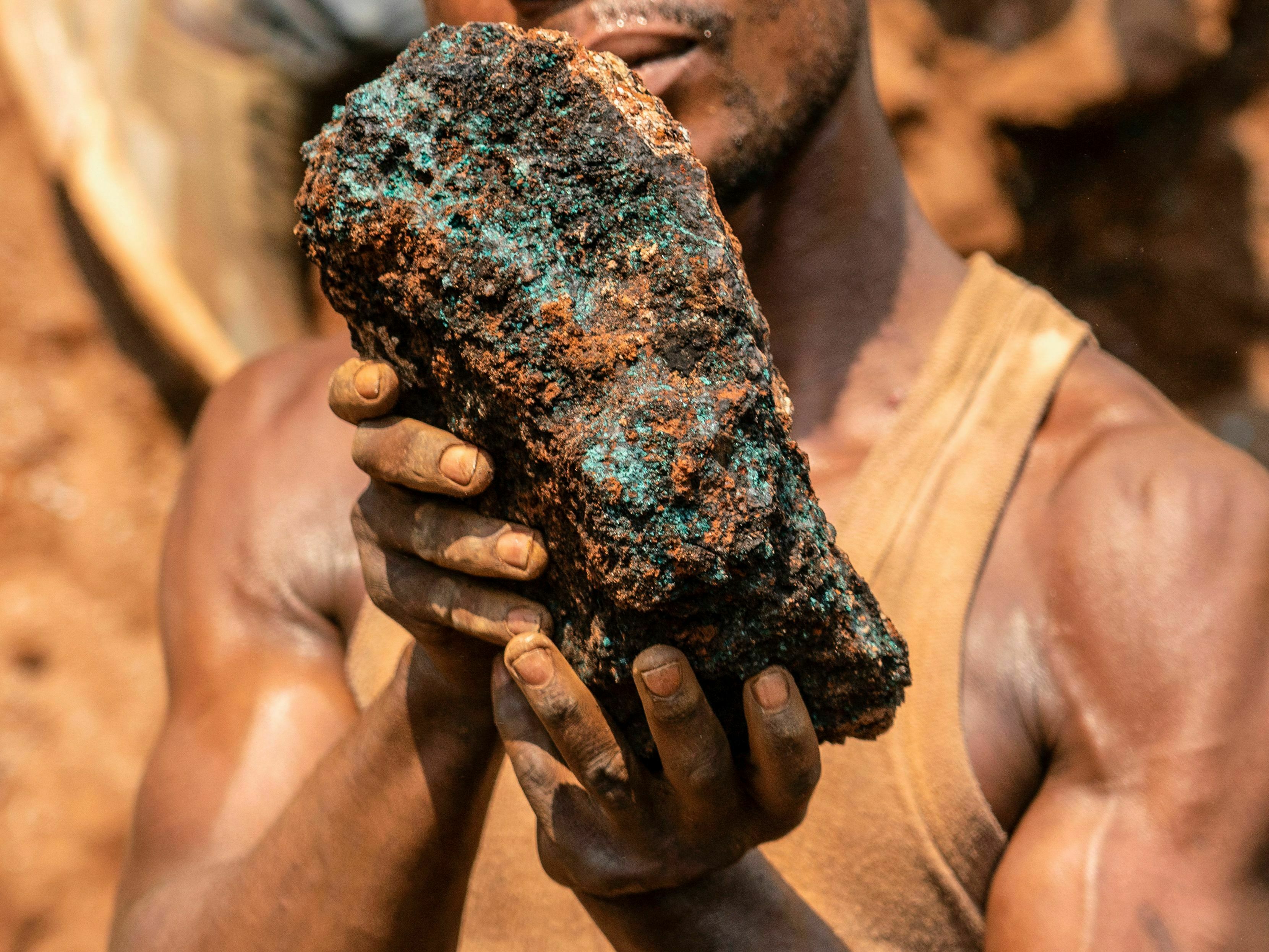

The Democratic Republic of Congo (DRC) will confiscate unused cobalt export rights from mining companies and transfer them to a government-controlled reserve under tougher new rules aimed at strengthening state control over the global battery metal market, according to a regulatory notice seen by Reuters.
- The Democratic Republic of Congo will confiscate unused cobalt export quotas and transfer them to a government-controlled reserve, according to a regulatory notice seen by Reuters.
- The move strengthens Kinshasa’s control over the global cobalt market after prices rebounded sharply following earlier export restrictions.
- Mining companies that fail to use their allocations by the deadline risk losing export rights permanently.
- The policy forms part of the country’s broader strategy to increase local mineral processing and capture more value from its critical mineral wealth.
The directive, issued by the country’s strategic minerals regulator, ARECOMS, states that any export quotas allocated for the first half of 2026 but left unused by June 30 will automatically expire and be reassigned to the regulator’s “strategic quota”, giving the government greater discretion over how those volumes are allocated.
The decision marks the latest step in Kinshasa’s efforts to exert greater influence over cobalt supplies after intervening in the market earlier to curb a prolonged oversupply that had driven prices to multi-year lows.
DON'T MISS THIS: Congo suspends cobalt exports for four months. Here’s why
Under the new rules, mining companies will not be allowed to carry unused quotas into the next allocation period. Instead, the forfeited volumes will be deducted from their original allocations and redirected towards projects considered to be of national interest.
ARECOMS said those projects would include initiatives that expand domestic mineral processing, increase value addition and protect the country’s long-term economic interests.
The regulator also tightened export procedures, saying only cobalt shipments declared in the customs system by July 5 would qualify under first-half export quotas. The new measures take effect on July 1.
Companies also face the possibility of losing their export quotas entirely if they repeatedly fail to export allocated volumes, transfer quotas without approval, process third-party or artisanal cobalt without authorisation, or breach other regulatory requirements.
The DRC is the world’s largest source of cobalt, accounting for more than 70% of global production.
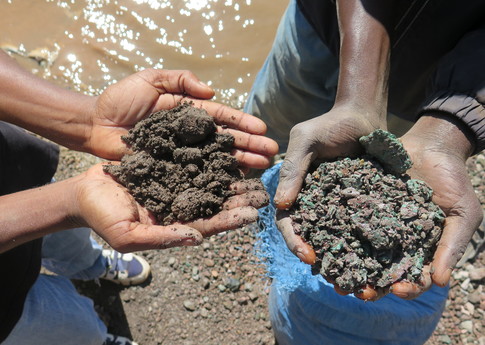
The metal is a key raw material used in electric vehicle batteries, energy storage systems, aerospace alloys and a range of high-performance industrial applications, making the country’s policy decisions closely watched across global commodity markets.
The latest restrictions build on measures introduced earlier this year after the Congolese government temporarily suspended cobalt exports in response to a prolonged supply glut that had depressed prices.
Authorities later replaced the suspension with a quota system designed to better manage exports and support a market recovery.
The strategy has had a significant impact. Global cobalt prices have climbed roughly 160% since February 2025, reaching about $26 per pound ($57,320 per metric tonne) as tighter supplies reduced the amount of material reaching international markets.
By reclaiming unused export quotas into a state-controlled reserve, the government also gains greater flexibility to direct future exports towards companies or projects that align with its industrial policy, particularly those investing in local refining and downstream processing.
The country’s mining industry is dominated by large international operators, including Chinese mining giant CMOC, commodity trader Glencore, Eurasian Resources Group and Huayou Cobalt.
CMOC overtook Glencore in recent years to become the world’s largest cobalt producer, highlighting China’s growing influence over the global supply chain.
DON'T MISS THIS: Switzerland’s mining giant considers exit as DRC cobalt exports remain suspended
The latest policy also reflects a broader trend across resource-rich African economies seeking to retain more value from their mineral wealth.
Countries including Zimbabwe and Namibia have introduced measures to encourage domestic processing of critical minerals rather than exporting raw materials, while governments across the continent continue to pursue industrialisation strategies linked to the global energy transition.