Top U.S. senator urges review of Uganda security ties after media shutdown sparks global backlash
Uganda’s security partnership with the United States has come under fresh scrutiny after the chairman of the U.S. Senate Foreign Relations Committee called on Washington to review military ties with Kampala following the closure of some of the country’s largest independent media outlets by the army chief.
 Black News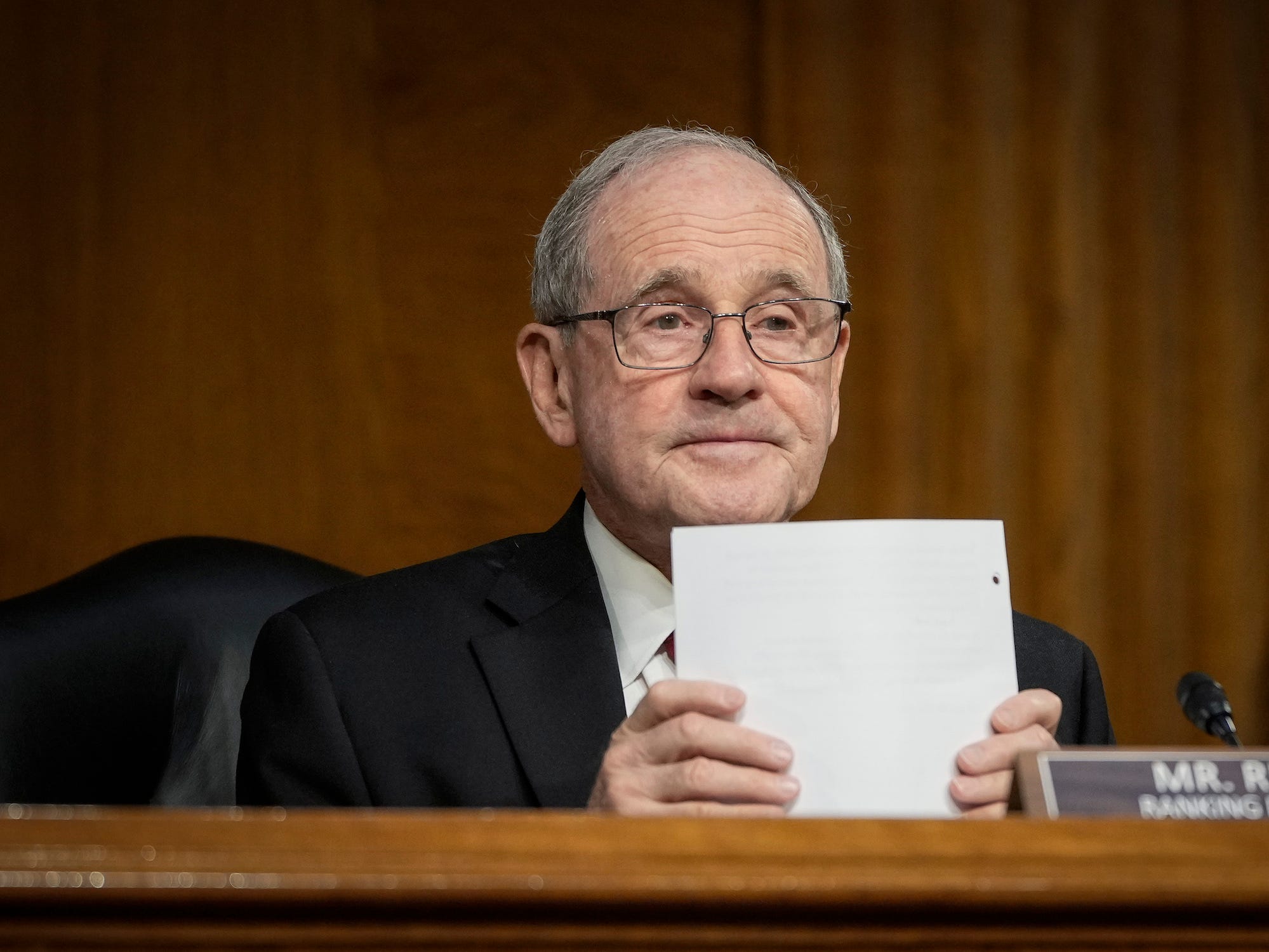
Uganda’s security partnership with the United States has come under fresh scrutiny after the chairman of the U.S. Senate Foreign Relations Committee called on Washington to review military ties with Kampala following the closure of some of the country’s largest independent media outlets by the army chief.
- A top U.S. senator has urged Washington to review security ties with Uganda following the military-led shutdown of major media outlets.
- Senator Jim Risch said Gen. Muhoozi Kainerugaba’s actions against the press make Uganda’s military “unfit partners.”
- The crackdown has drawn condemnation from rights groups and intensified scrutiny of Uganda’s democratic record.
- The diplomatic row comes as Uganda seeks foreign investment while maintaining its role as a key U.S. security partner in East Africa.
The remarks by Senator Jim Risch on Monday elevate what had been a domestic dispute over press freedom into a broader diplomatic issue, raising questions about the future of security cooperation between the United States and one of its most important military partners in East Africa.
“The U.S. needs to review its security relationship with Uganda. Gen. @mkainerugaba’s attacks on free speech, including shuttering major media houses this weekend, make him & the UPDF unfit partners. We should only work with those who advance regional security, not diminish it,” Risch wrote on X.
Risch’s intervention is among the strongest criticisms yet from a senior U.S. lawmaker over Uganda’s latest crackdown on the media and could increase pressure on Washington to reassess its relationship with Kampala at a time when governance, democracy and human rights are increasingly intersecting with strategic security interests across Africa.
DONT MISS THIS: Uganda defies World Bank and central bank warnings to enact controversial sovereignty law
Why it matters
Uganda occupies a strategic position in U.S. foreign policy in East Africa. The country has been a longstanding security partner, with its troops playing a central role in regional peacekeeping and counterterrorism operations, particularly in Somalia.
Washington has supported Uganda through military cooperation, intelligence sharing, training programmes and security assistance for years because of its role in combating militant groups and promoting regional stability.
Any review of that relationship would carry implications beyond diplomacy, potentially affecting defence cooperation and regional security at a time when instability continues across the Horn of Africa, eastern Democratic Republic of Congo and parts of the Great Lakes region.
The latest development also comes as Uganda seeks to attract greater foreign investment into its oil, mining, infrastructure and industrial sectors, where political stability, institutional independence and relations with Western partners remain closely watched by international investors.
DON'T MISS THIS: Son of Uganda’s president and chief of defence signals possible military action against Iran, says he is ‘on the side of Israel’
The shutdown
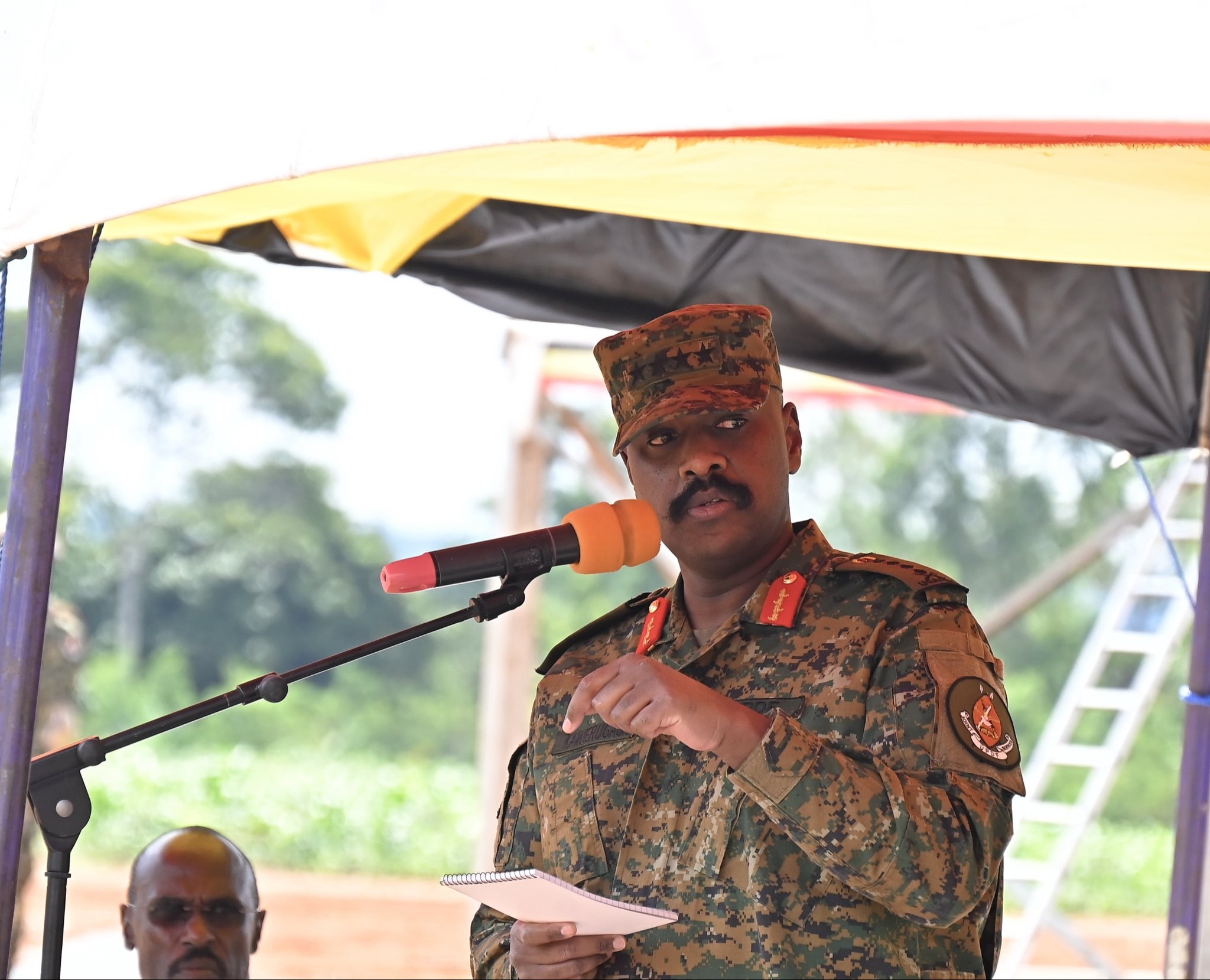
The diplomatic row follows the closure of the Daily Monitor newspaper and NTV Uganda after Uganda’s Chief of Defence Forces, who is also the son of President Yoweri Museveni, Gen. Muhoozi Kainerugaba, ordered military action against Nation Media Group Uganda over the weekend.
Security personnel were deployed to the company’s headquarters in Kampala, preventing staff from accessing the premises while television and radio broadcasts were interrupted. The action also disrupted several affiliated broadcast platforms operated by the media group.
Kainerugaba later declared on X that he did “not believe in a free press” and insisted the media outlets would remain closed until he personally authorised their reopening. He also argued that Uganda’s media should be guided by what he described as “cadres of the revolution.”
The army chief did not publicly provide any legal justification for the closures.
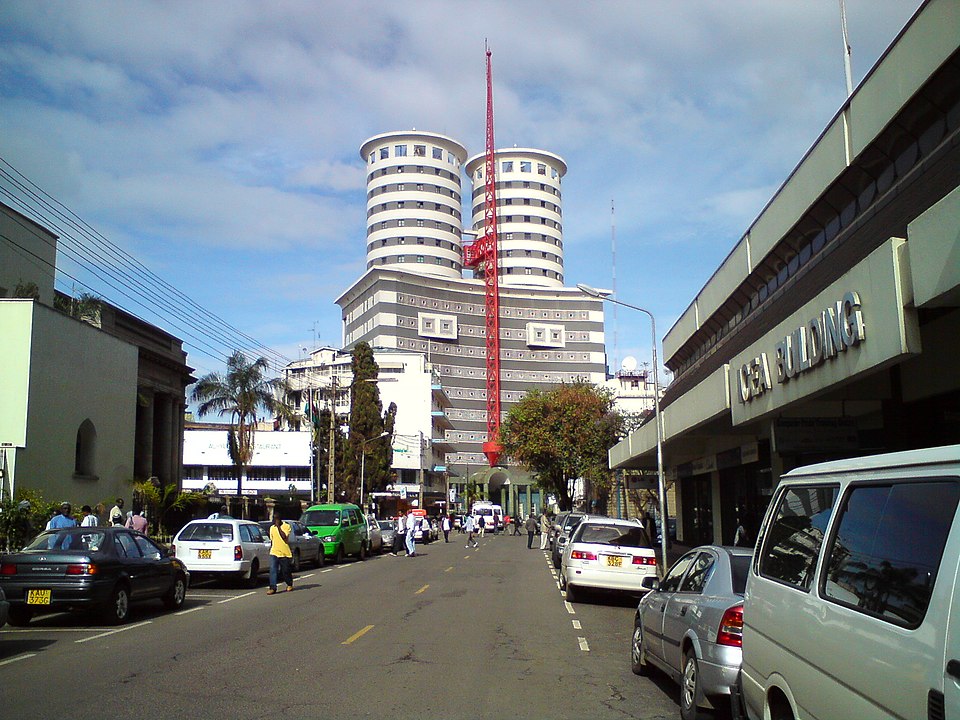
Nation Media Group, headquartered in Nairobi, is East Africa’s largest independent media company and is listed on the Nairobi Securities Exchange. Besides Uganda, it operates leading newspapers, television and digital platforms across Kenya, Tanzania and Rwanda.
Growing criticism
The closure has triggered widespread condemnation from press freedom advocates, civil society groups and international observers.
Amnesty International called for the immediate reopening of the affected media houses, describing the shutdown as another attack on freedom of expression and independent journalism.
Journalists’ associations and media organisations within Uganda also criticised the move, warning that military intervention against independent news organisations undermines constitutional protections and weakens public confidence in democratic institutions.
The incident also sparked intense debate across Ugandan social media, where many users questioned the military’s growing influence over civilian institutions and expressed concern about the concentration of power around Kainerugaba, who is widely viewed as a potential successor to his father, President Yoweri Museveni.
A familiar pattern
The latest shutdown is not Uganda’s first confrontation with the independent press. In 2013, authorities closed the Daily Monitor for 10 days after it published reports relating to an alleged succession plan involving Museveni and senior military officials.
Rights groups have also criticised repeated internet restrictions during election periods, arguing that they limit access to information, suppress dissent and disrupt business activity in an increasingly digital economy.
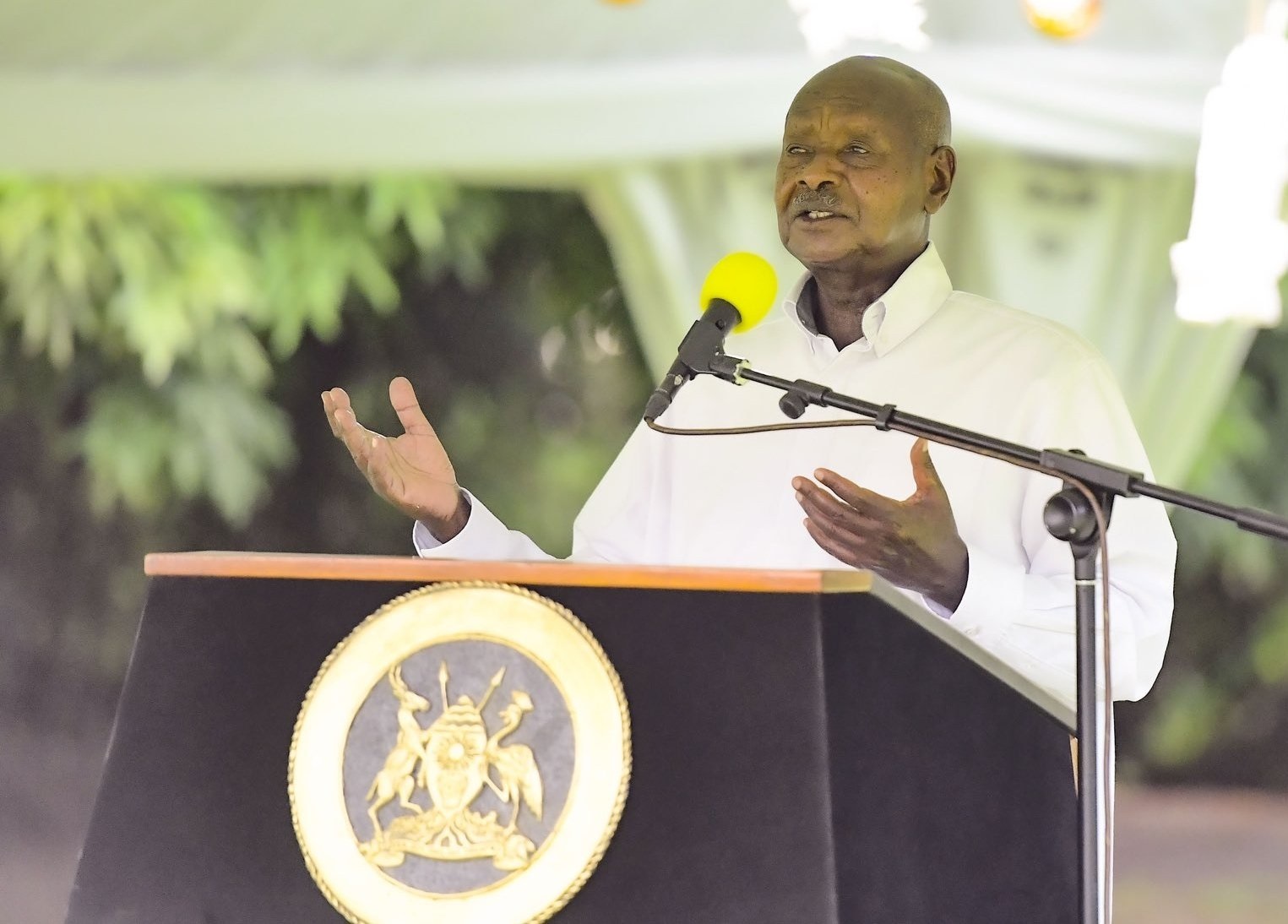
Museveni, who has ruled Uganda since 1986, secured another term earlier this year in elections that attracted criticism from Western governments and democracy advocates over restrictions on opposition activities and civil liberties.
DON'T MISS THIS: U.S. issues security alert for citizens in Uganda amid tense presidential election
The bigger picture
Kainerugaba has become one of the most influential figures in Uganda’s political establishment.
Beyond leading the Uganda People’s Defence Forces, he has frequently made headlines for provocative posts on X targeting opposition figures, neighbouring countries and foreign governments.
His growing public profile has fuelled speculation that he could eventually succeed his father, although neither Museveni nor the ruling National Resistance Movement has formally endorsed such a transition.
The latest confrontation with the media, and the unusually direct response from one of Washington’s most influential foreign policy lawmakers, suggests Uganda’s domestic political decisions are increasingly carrying international diplomatic consequences.
Should Washington move beyond criticism and reconsider aspects of its security cooperation, the fallout could extend beyond military relations to Uganda’s broader engagement with Western partners at a time when the country is preparing for first oil production and seeking billions of dollars in long-term foreign investment.