South Africa deploys drones, 33,000 CCTV cameras and 13,000 officers to prevent anti-migrant protests
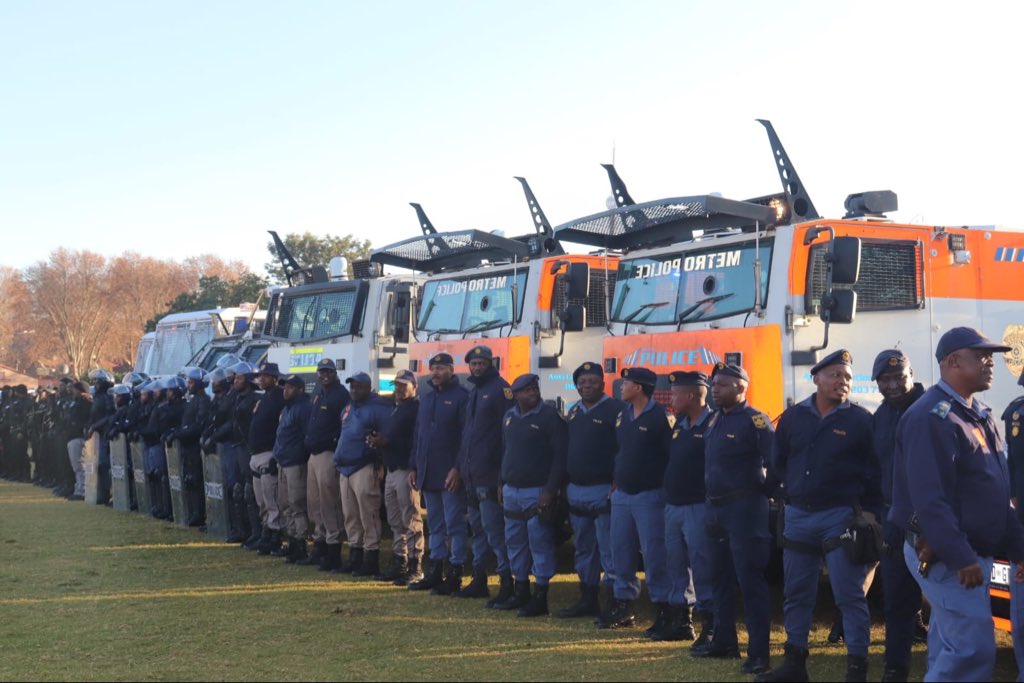
South Africa has launched one of its largest domestic security operations in recent years, deploying 13,000 law enforcement officers, drones, helicopters and more than 33,000 CCTV cameras across Gauteng Province ahead of anti-migrant demonstrations, as authorities seek to prevent a repeat of the deadly unrest that crippled Africa’s most industrialised economy in 2021.
 Black News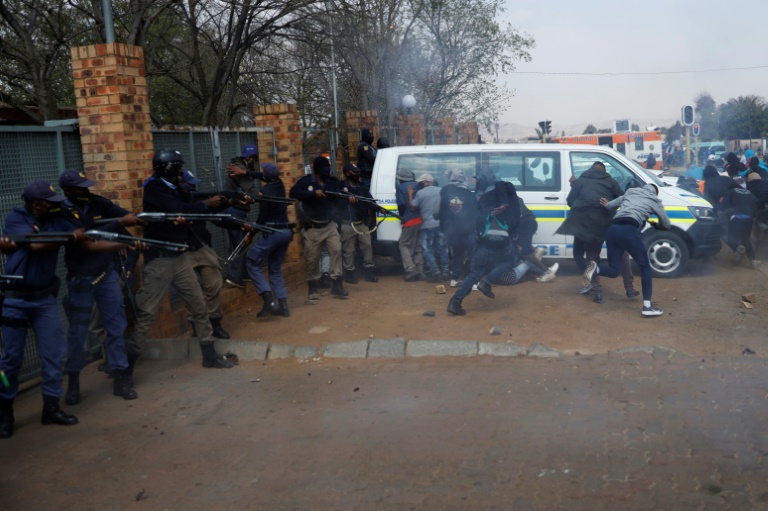
South Africa has launched one of its largest domestic security operations in recent years, deploying 13,000 law enforcement officers, drones, helicopters and more than 33,000 CCTV cameras across Gauteng Province ahead of anti-migrant demonstrations, as authorities seek to prevent a repeat of the deadly unrest that crippled Africa’s most industrialised economy in 2021.
- South Africa has launched a R600 million ($35.5 million) security operation ahead of nationwide anti-migrant demonstrations scheduled for Tuesday.
- Authorities have deployed 13,000 officers, drones, helicopters and more than 33,000 CCTV cameras across Gauteng to deter violence.
- The operation reflects lessons from the devastating 2021 riots and growing cooperation between police and the country’s vast private security industry.
- Businesses and logistics operators are also preparing for possible disruption in Africa’s most industrialised economy.
The operation, which Acting Police Minister Firoz Cachalia said will cost about R600 million ($35.5 million), comes amid mounting concerns that protests organised by anti-illegal immigration group March and March could descend into violence despite government warnings that criminal acts will not be tolerated.
Businesses, freight operators and shopping centre owners have also stepped up contingency plans ahead of the demonstrations, fearing disruptions in Gauteng, KwaZulu-Natal and the Western Cape, the country’s three biggest economic regions.
Some logistics companies have reviewed delivery schedules while retailers have strengthened security around commercial centres.
DON'T MISS THIS: Ramaphosa activates global damage control as South Africa's anti-immigrant attacks spark continental backlash
The security operation illustrates how South Africa’s policing strategy has evolved since the July 2021 riots, when widespread looting and arson left more than 350 people dead, disrupted supply chains, damaged thousands of businesses and inflicted an estimated R50 billion (about $3 billion) in economic losses, making it one of the costliest episodes of civil unrest in the country’s democratic history.

Technology at the centre
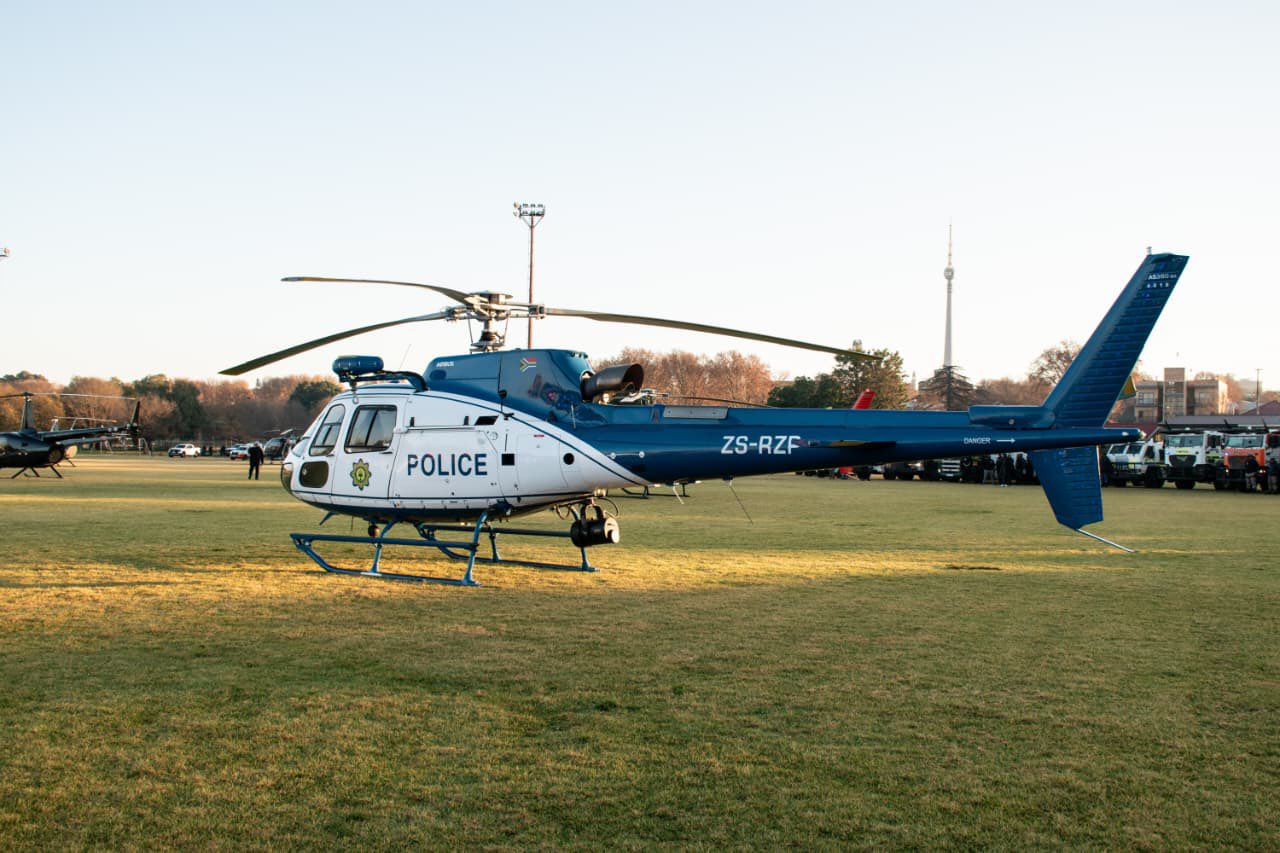
Speaking during a media briefing in Eldorado Park, Gauteng Police Commissioner Lieutenant-General Tommy Mthombeni said authorities had identified potential hotspots and would rely on integrated surveillance systems to monitor events in real time.
“We have made arrangements to deploy CCTV cameras, helicopters and drones,” Mthombeni said.
He said the province’s network of more than 33,000 CCTV cameras, supported by aerial surveillance and a central monitoring system, would allow authorities to quickly identify criminal activity during the demonstrations.
“The drones and helicopters will be able to identify who is doing what. So, if you get arrested, do not say you were not warned,” he said.
Security experts say the operation demonstrates how South Africa is increasingly blending public policing with private surveillance infrastructure.
Chad Thomas, director of IRS Forensic Investigations, told TechCabal that municipalities, private security firms and community camera networks are expected to provide surveillance support during the operation, with companies such as Vumacam operating extensive CCTV infrastructure across Johannesburg.
Private security’s growing role
The deployment also highlights the growing influence of South Africa’s private security industry, widely regarded as the largest in the world.
The country has more than 2.5 million registered private security officers, with roughly 556,000 active personnel, far exceeding the combined manpower of the police and military.
Over the past decade, governments, businesses and residential communities have increasingly relied on private surveillance systems and armed response services to supplement public policing.
Last week, Cachalia met representatives of the private security industry to strengthen cooperation on intelligence sharing, operational planning and technology integration ahead of the demonstrations, underscoring the increasingly close relationship between public law enforcement and privately owned security infrastructure.
DON'T MISS THIS: Over 2 million South African workers may face consequences for joining June 30 anti-immigrant protests
Economic stakes
DON'T MISS THIS: South Africa’s immigration tensions put MTN, Standard Bank and other African giants at risk
The heightened security reflects more than concerns about public safety. Gauteng generates more than a third of South Africa’s gross domestic product and serves as the country’s financial and manufacturing hub.
Any prolonged disruption to transport corridors, shopping centres or industrial activity could ripple through regional supply chains, affecting neighbouring economies that depend on South African ports, retailers and logistics networks.
DON'T MISS THIS: South Africa's immigration crisis deepens as over 120 organizations unite to shift public anger amid June 30 ultimatum deadlines
The memories of the July 2021 unrest remain fresh for policymakers and investors alike. The riots forced factory closures, disrupted freight movement, damaged investor confidence and threatened thousands of jobs across the country. Authorities appear determined to avoid another crisis of similar scale.
South Africa’s latest operation also reflects a broader trend across Africa, where governments are investing more heavily in surveillance technologies, drones and integrated command centres to respond to crime, civil unrest and public protests.
For Pretoria, Tuesday’s demonstrations are likely to become an important test of whether technology, combined with closer cooperation between public authorities and private security providers, can prevent the kind of widespread violence that once paralysed the continent’s most advanced economy.