Africa’s fourth-largest cocoa producer bans raw exports to the West
On July 15, 2026, Nigeria banned the export of raw cocoa beans as part of a national plan to process its crops locally, build domestic industries, and increase the value of its agricultural products.
 Black News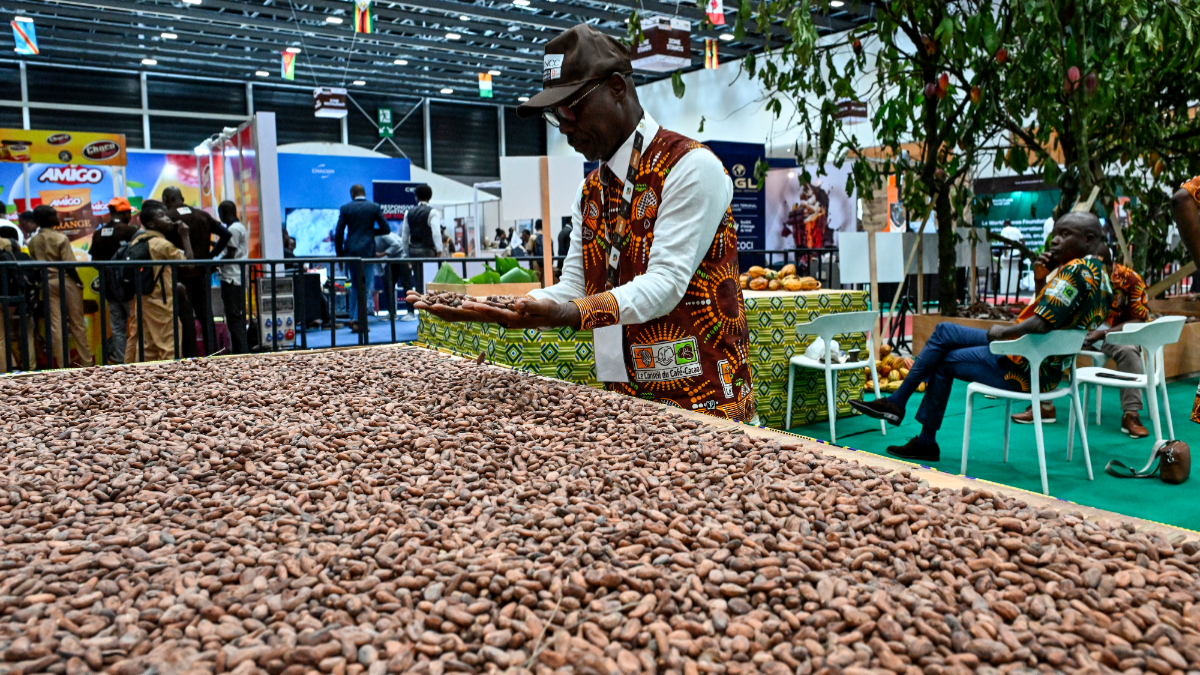
![A man checks cocoa beans at an exhibition stand during the National Cocoa and Chocolate Day at the Abidjan exhibition centre in Abidjan on September 30, 2024. [Photo by SIA KAMBOU/AFP via Getty Images]](https://ocdn.eu/pulscms/MDA_/4d37b23a00bbc2ec7722fadc70a5aebb.jpg)
On July 15, 2026, Nigeria banned the export of raw cocoa beans as part of a national plan to process its crops locally, build domestic industries, and increase the value of its agricultural products.
- Nigeria has banned the export of raw cocoa beans to encourage local processing and boost the value of its agricultural products.
- The government aims to create domestic jobs, increase foreign currency earnings, and move away from exporting unprocessed crops.
- A new alliance of West African nations, including Nigeria, seeks to regulate cocoa prices, promote local processing, and strengthen their bargaining power globally.
- To support this shift, Nigeria is expanding its factory capacity and providing financial support across the cocoa supply chain.
The government plans to stop exporting raw agricultural commodities without getting their full economic value, aiming to create local jobs and bring in more foreign currency.
This policy seeks to shift the country away from just growing crops to processing, branding, and manufacturing them inside its own borders.
Nigeria is currently among the top global cocoa producers, with over 300,000 farming families growing the crop across more than 1.4 million hectares.
Historically, West African countries have produced most of the world's cocoa but captured only a small sliver of the multi-billion-dollar global chocolate market.
According to the Leaf Cocoa Report published in October 2025, African farmers and exporters earn just about 15% of the total cocoa value under the old export system.
Building local factories
To support the shift to local processing, the country is expanding its domestic factories, including a new 70,000-ton processing plant being built in Sagamu. This will help boost the national grinding capacity beyond 120,000 tons a year.
The state-backed Bank of Industry has also pledged long-term funding for the entire cocoa supply chain, having already distributed over N164 billion to agro-processing businesses and secured a credit facility of 60 million euros from the European Investment Bank.
DON'T MISS THIS: Congo’s health crisis begins to threaten its mineral trade with the US as its rivalry with China heats up
The managing director and chief executive officer of the Bank of Industry, Dr Olasupo Olusi, in an address at the summit reported by Punch, stated that "We are not approaching cocoa as a lending programme; we are building an industrial ecosystem.”
He also stated that “Our goal is to finance everything from nurseries and cooperatives to grinding plants, ingredient factories, packaging lines, and chocolate manufacturers."
The president of Nigeria, Bola Tinubu, in a speech delivered by his representative at the Cocoa Value Addition Summit 2026 and reported by Punch, stated that "Nigeria will no longer export raw beans while importing finished value.”
He added that “We will grind our beans at home, we will press our butter at home, we will make our chocolate at home, brand it at home, and sell it to the world on our own terms."
How the ban will affect western nations
For several decades, Western nations like Germany, the Netherlands, and Belgium have relied heavily on Nigeria to secure a steady supply of raw beans to fuel their massive domestic chocolate and confectionery manufacturing industries.
This new export ban will force international buyers in these nations to adapt to importing processed cocoa products rather than raw agricultural commodities.
Forming a regional cocoa alliance
To strengthen their influence on the global stage, West African nations are joining forces. Four African countries, which are Cote d'Ivoire, Ghana, Nigeria, and Cameroon, control two-thirds of the world's cocoa production.
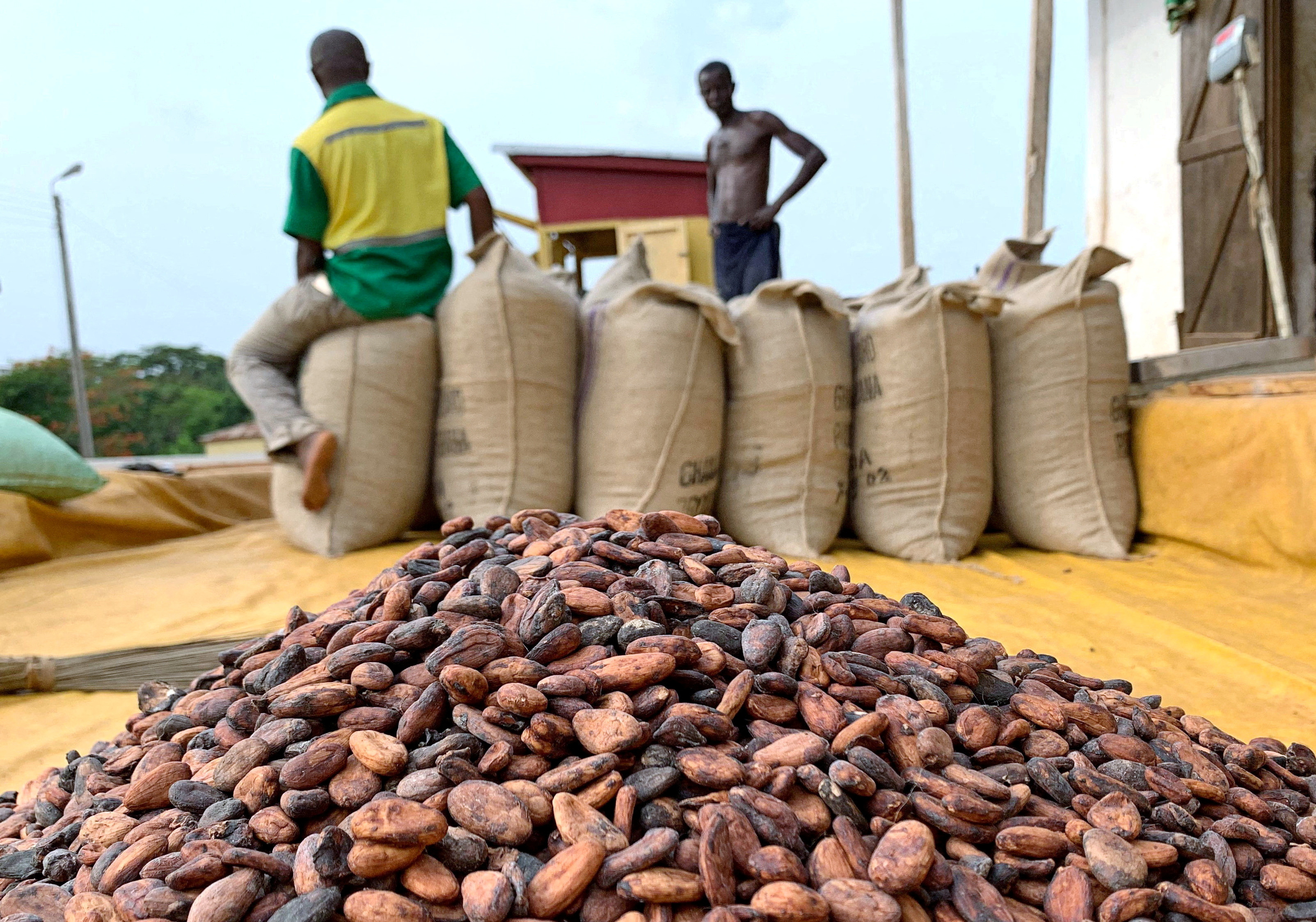
These countries have united to form an alliance to regulate cocoa prices and protect their local industries. During a meeting held in Abuja, the nations signed an agreement meant to help them unanimously determine cocoa prices and prioritize the local processing of cocoa beans.
This regional collaboration is designed to give African farmers and producers stronger bargaining power when dealing with international buyers.
By coordinating policies and pricing, the alliance hopes to keep more wealth on the continent.