Africa's LNG export race widens as $4.6 billion gas project adds two newcomers to Nigeria-led market
Africa's liquefied natural gas (LNG) export landscape is entering a new era after a landmark $4.6 billion cross-border gas project propelled Mauritania and Senegal into the ranks of global LNG exporters, expanding the continent's export club and intensifying competition in a market long dominated by Nigeria and Algeria.
 Black News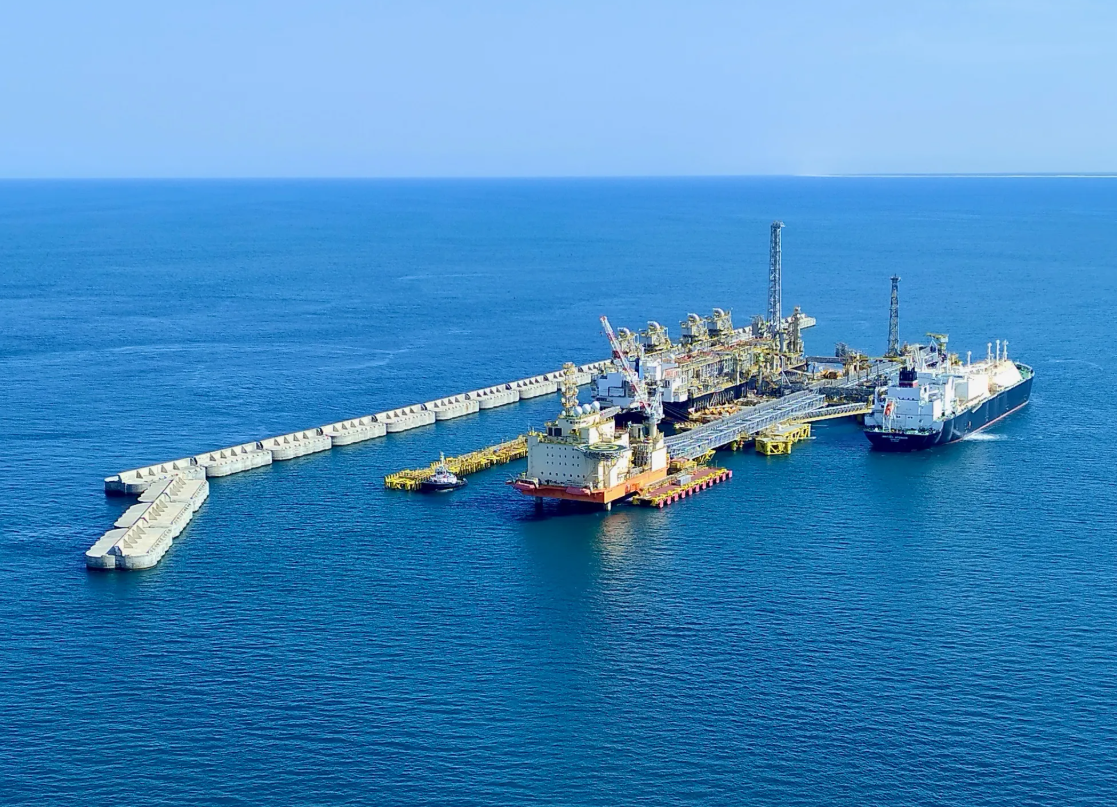

Africa's liquefied natural gas (LNG) export landscape is entering a new era after a landmark $4.6 billion cross-border gas project propelled Mauritania and Senegal into the ranks of global LNG exporters, expanding the continent's export club and intensifying competition in a market long dominated by Nigeria and Algeria.
- Mauritania and Senegal have become new LNG exporters after launching the $4.6 billion Greater Tortue Ahmeyim (GTA) project.
- Africa's LNG export club is expanding, intensifying competition with established exporters like Nigeria and Algeria.
- Global LNG trade hit a record high in 2025, with Africa increasingly supplying the growing demand.
- Nigeria remains Africa's largest LNG producer, but new investments are boosting capacity across the continent.
The milestone, highlighted in the 2026 World LNG Report by the International Gas Union (IGU), comes as global LNG trade reached a record 437 million tonnes in 2025, rising 6.3% from the previous year—the strongest annual growth since 2022.
The report identifies Canada and Mauritania/Senegal as the newest LNG-exporting nations, underscoring Africa's growing role in meeting global gas demand.
DON'T MISS THIS: American oil giant joins South Africa’s first LNG import hub as coal-dependent economy races to secure future power supplies
The breakthrough was made possible by the Greater Tortue Ahmeyim (GTA) project, a roughly $4.6 billion offshore development that straddles the maritime border between Mauritania and Senegal.
Operated by bp alongside Kosmos Energy and the two countries' national oil companies, the project's first phase is designed to produce about 2.5 million tonnes of LNG annually from an estimated 15 trillion cubic feet of recoverable natural gas.
The development expands Africa's established LNG exporters beyond Nigeria, Algeria, Egypt, Angola, Equatorial Guinea and Cameroon, marking the continent's first addition of new exporting countries in years.
Nigeria remains Africa's LNG heavyweight
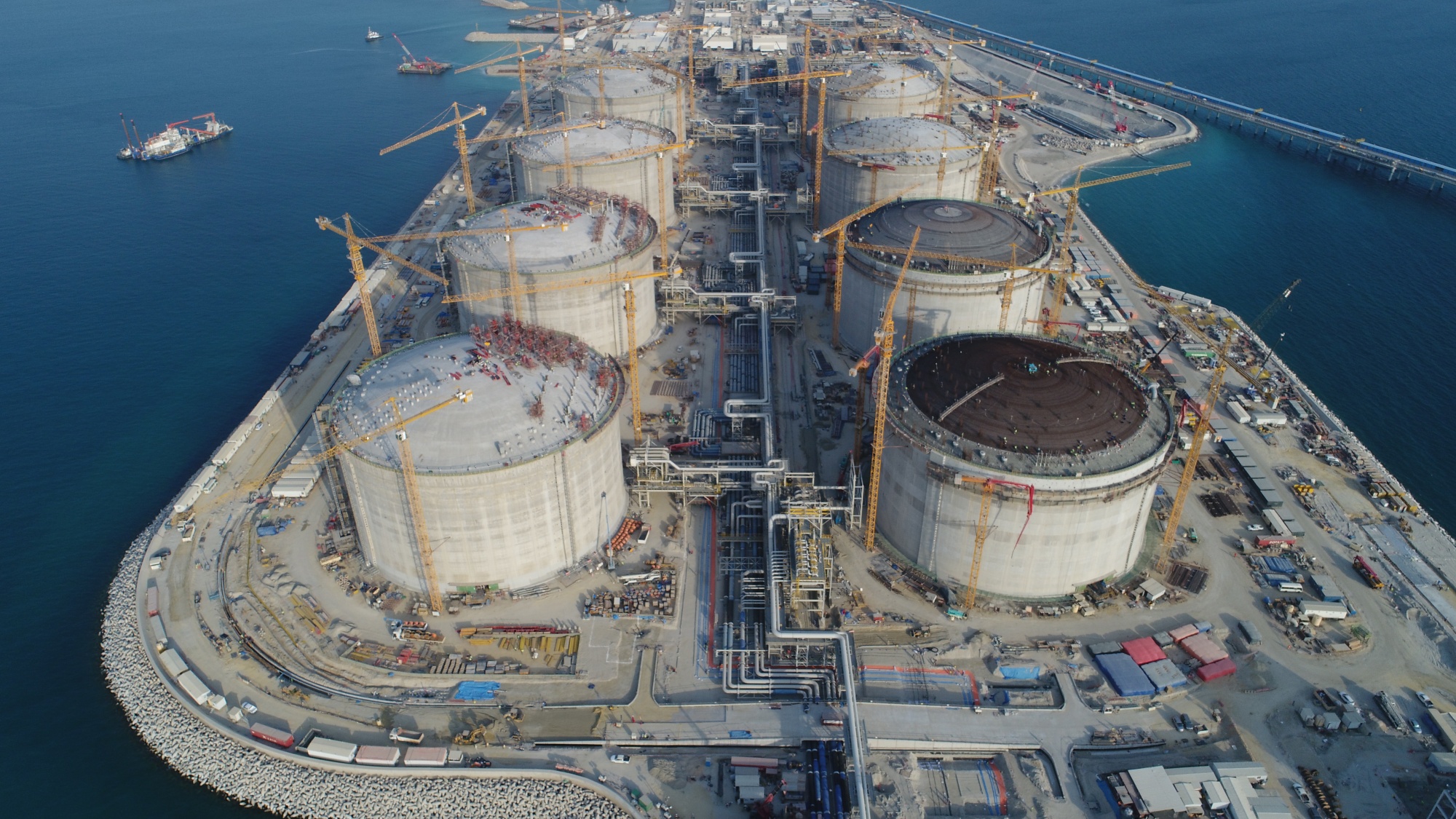
Despite the arrival of two new exporters, Nigeria remains Africa's largest LNG producer through the Nigeria LNG (NLNG) facility on Bonny Island, with an installed liquefaction capacity of 22 million tonnes per annum (Mtpa)—one of the largest LNG export facilities globally.
DON'T MISS THIS: 3 African countries team up to supply Europe with 30 billion cubic metres of gas as it cuts reliance on Russia
The IGU report also notes that Nigeria, Angola and Malaysia were among exporters that increased LNG deliveries in 2025, even as the United States retained its position as the world's largest LNG exporter.
The timing is significant. Global investment in LNG is accelerating, with 68.4 Mtpa of new liquefaction capacity reaching final investment decision in 2025—the strongest year for project approvals since 2019.
That wave of investment is expected to reshape supply over the coming decade, creating new opportunities for African producers.
For Mauritania and Senegal, joining the global LNG market is expected to unlock billions of dollars in export earnings, government revenues and foreign investment while strengthening West Africa's position in the global energy trade.
DON'T MISS THIS: Middle East war drives more buyers to seek Nigeria’s liquefied natural gas exports
The report also suggests Africa's LNG story is far from complete. Established exporters such as Nigeria, Algeria, Egypt and Angola are expanding or modernising capacity, while countries including Mozambique and the Republic of the Congo continue advancing major LNG developments that could further increase the continent's share of global exports.
The continent's momentum comes at a time of heightened geopolitical uncertainty. While the IGU said global LNG trade hit a record in 2025, it warned that conflict in the Middle East could cloud the market's outlook in 2026 by disrupting infrastructure and creating uncertainty over future supplies.
For Africa, however, the entry of Mauritania and Senegal signals more than just two new names on the export map. It marks the broadening of a continent increasingly positioning itself as a critical supplier in a global LNG market seeking new sources of energy security.