Agriculture must deliver more than just food
As Agra marks two decades in Malawi, country director DR ELUPHY NYIRENDA reflects on the organisation’s journey from seeds and productivity to whole food systems, and why the next phase must create jobs, unlock investment and make farming more resilient. Nyirenda: It is a celebration, but it is also a challenge. | Nation Agra is … The post Agriculture must deliver more than just food appeared first on Nation Online.
 Black News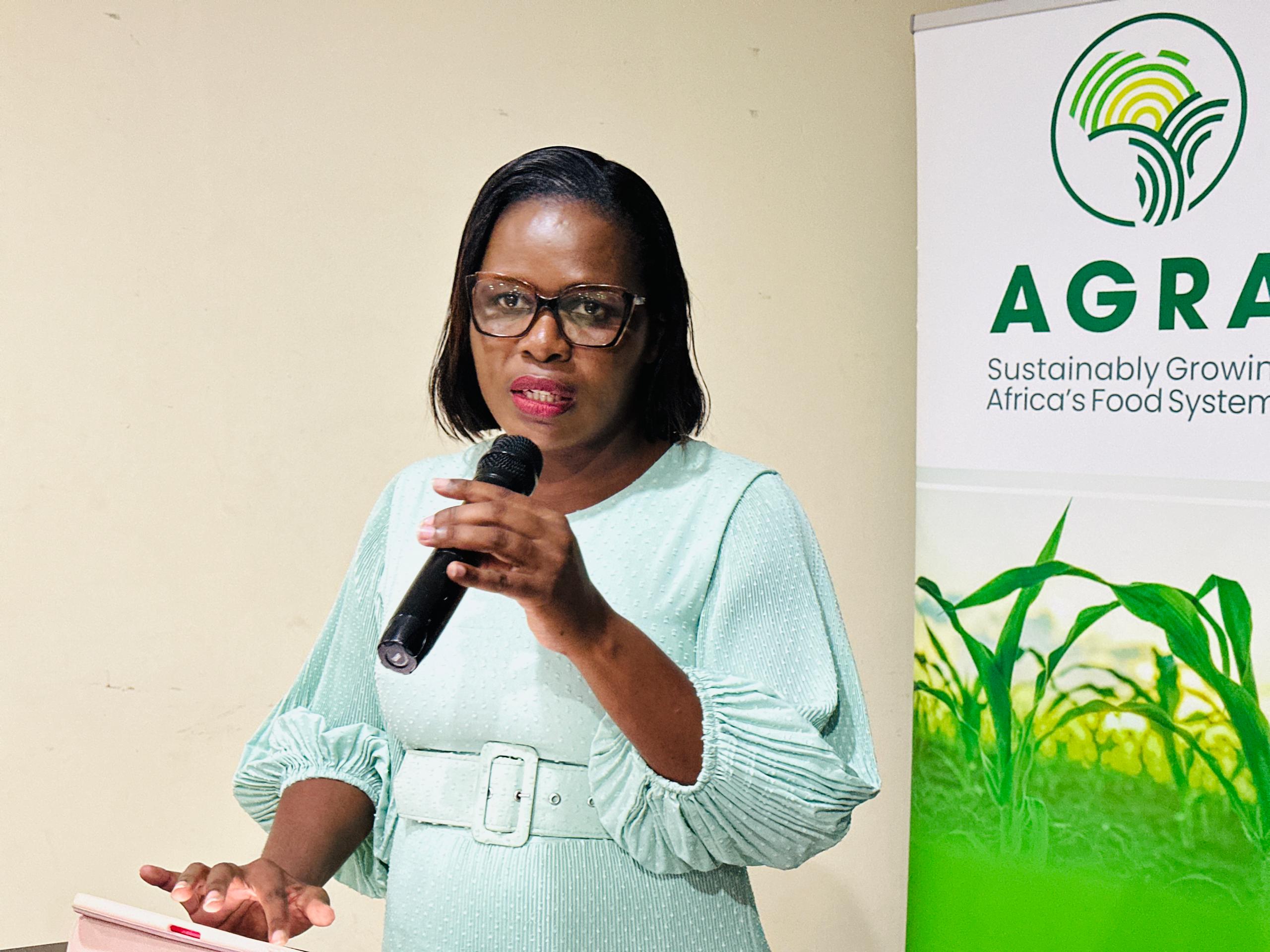
As Agra marks two decades in Malawi, country director DR ELUPHY NYIRENDA reflects on the organisation’s journey from seeds and productivity to whole food systems, and why the next phase must create jobs, unlock investment and make farming more resilient.
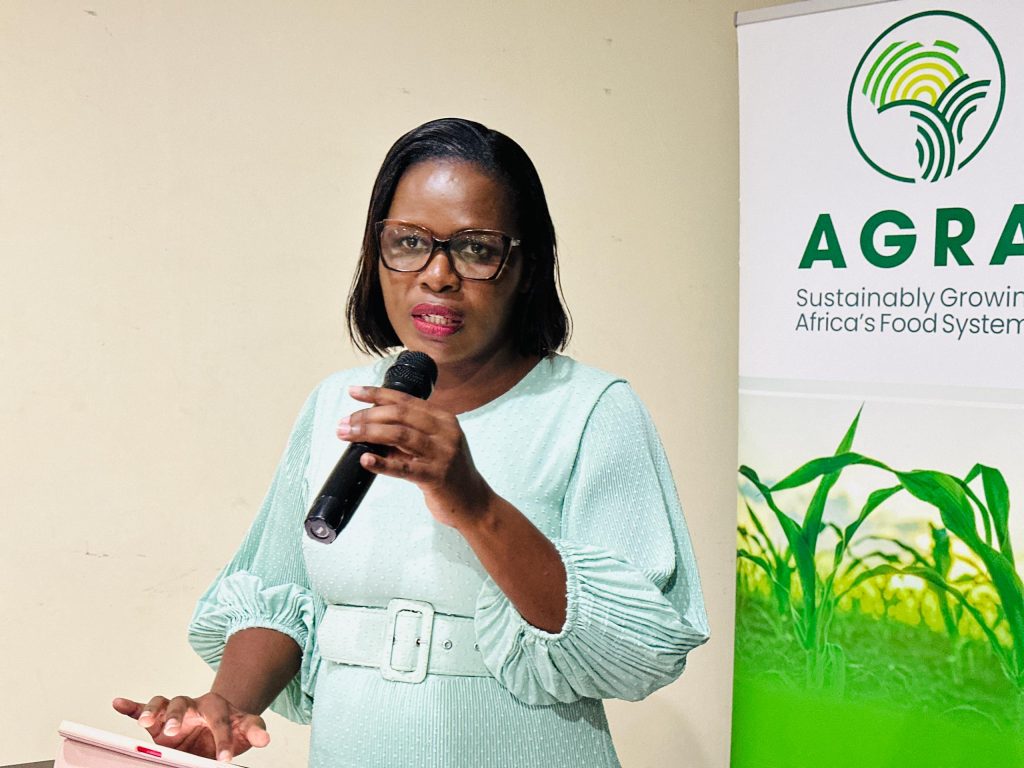
is also a challenge. | Nation
Agra is celebrating 20 years. What exactly are you celebrating?
We are celebrating 20 years of partnership, learning and investment in agricultural transformation. But Agra@20 is not simply about looking backwards and counting achievements. It is an opportunity to ask what has worked, what has not worked well enough and what the next 20 years must deliver. When Agra was founded in 2006, the vision was to help build an African Green Revolution that would enable smallholder farmers to move beyond chronic poverty. Twenty years later, that ambition remains relevant, but the challenges have changed.
Agra began with a strong focus on seeds, technology and productivity. Why has that agenda changed?
Because we have learnt that productivity alone is not enough. A farmer can have improved seed, but without knowledge, finance, fertiliser, irrigation and a reliable market, that seed will not transform their livelihood. Agra’s first phase was, therefore, about building foundations; agricultural science, locally adapted varieties, early-generation seed, local seed companies and stronger institutions. In Malawi, we supported nine Malawians to complete PhDs and 28 master’s degrees, supported the release of 31 improved crop varieties, produced more than 16 000 metric tonnes of certified seed and established or strengthened eight local seed companies.
What did the second phase teach you?
That the different parts of the agricultural system have to work together. We expanded our focus to knowledge, inputs, finance and markets. Approximately 71 000 farmers were reached through integrated soil fertility management, while more than 53 000 hectares were brought under improved soil-management practices. More than 149 000 farmers accessed inputs, financial services and market opportunities. But the most important lesson is that seed without knowledge is insufficient; production without aggregation is insufficient; and aggregation without reliable markets is also insufficient.
Yet Malawi continues to experience food insecurity. Does that not raise questions about whether the agricultural-development model has worked?
It should raise questions, and we should not be afraid to ask them. Agriculture is a complex system. The question is: What are the binding constraints preventing the system from working, and how do we address them collectively? That is central to Agra 3.0. We are moving from individual interventions towards a whole-food-systems approach encompassing production, soil health, climate resilience, irrigation, mechanisation, food loss, finance, markets, policy, trade and jobs.
What is Agra 3.0 actually trying to achieve?
Impact at scale. We are focusing on sustainable farming, stronger policy and State capability, inclusive markets and finance, and economic empowerment opportunities for young people and women. We are also supporting government on evidence-based policy and stronger institutions, including contributions to the Seed Act, Fertiliser Act, Seed Strategy and Investment Plan, and ongoing work around the Food Systems Strategy and Investment Plan.
You often talk about “catalytic capital”. What does that mean to an ordinary farmer?
A6It means Agra does not try to finance everything itself. Our resources should help unlock much larger pools of capital, capability and markets. Working with government, development partners and the private sector, Agra has helped leverage more than $200 million for Malawi’s agriculture and food systems. The objective is to identify a constraint, bring the right actors together, demonstrate what can work and create conditions for others, including commercial investors, to come in at scale. We are doing this with support from the Mastercard Foundation, Royal Norwegian Embassy and Gates Foundation.
Young Malawians often see farming as a last resort rather than a business. Can that change?
It has to. We should stop treating young people merely as beneficiaries. They are entrepreneurs, innovators, investors, service providers and job creators. Agriculture is much bigger than someone cultivating a field. It includes logistics, aggregation, processing, technology, finance, mechanisation, advisory services and export markets.
Climate change is perhaps the biggest threat facing Malawian farmers. Has the old productivity model become insufficient?
Yes. A farmer can have improved seed and fertiliser, but if a flood destroys the crop or drought wipes it out, those productivity gains become very fragile. That is why climate resilience is now embedded in our work. We are supporting climate-resilient production, soil health, irrigation, mechanisation and food-loss solutions. Through the GCF’s RE-GAIN programme, for example, the target is to reduce food losses by more than 35 percent across four Agricultural Development Divisions.
What would you say Agra has learnt most from its 20 years in Malawi?
That agricultural transformation cannot be achieved through isolated projects. We have to connect production to markets, policy to implementation, technology to knowledge and investment to viable commercial opportunities. We have also learned that national ownership is critical. Agra should not replace government systems. We should strengthen them and help unlock the constraints preventing the wider ecosystem from functioning.
What should Malawians expect from Agra’s next 20 years?
They should expect a more focused organisation interested in scale, systems and results. We want agriculture to become a stronger engine of economic transformation, not simply a sector that produces food and absorbs labour. We want more young people finding dignified work, farmers connected to markets, agricultural SMEs growing, climate resilience embedded in production, stronger institutions and more private capital flowing into agriculture. Malawi must own that transformation. Twenty years ago, the question was whether Africa could build the foundations for its own agricultural transformation. Today, the question is whether we have the courage, discipline and partnerships to take what works to scale. That is what Agra@20 means to me. It is a celebration, but it is also a challenge.
The post Agriculture must deliver more than just food appeared first on Nation Online.